0–12 months.
“The fastest year of brain growth a human ever has. Eighty-six billion neurons, learning what a face is, what a voice means, what comes after the cry.”
- 61articles
- 34products
- 7free printables
The research swims past.
Reach in and pull out a question. The full archive is below.
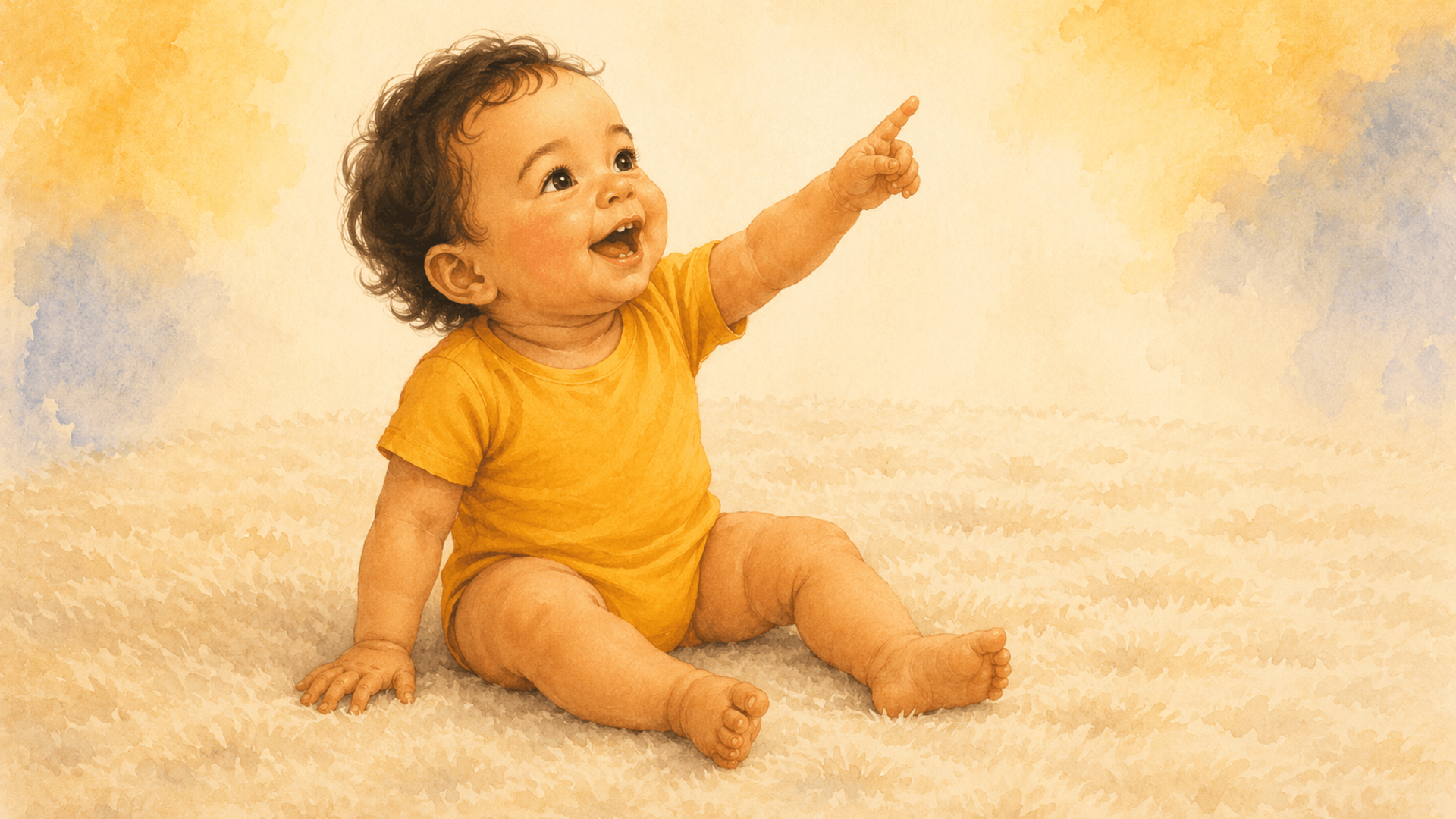
When Do Babies Point: Why It Matters for Language
Most milestone articles treat pointing as a box to check around 12 months. The research tells a different story — one that starts months earlier, runs through the infant brain, and traces back to how much the parent is pointing. Here's what the last fifteen years of research actually found, and what it means for everyday interactions.
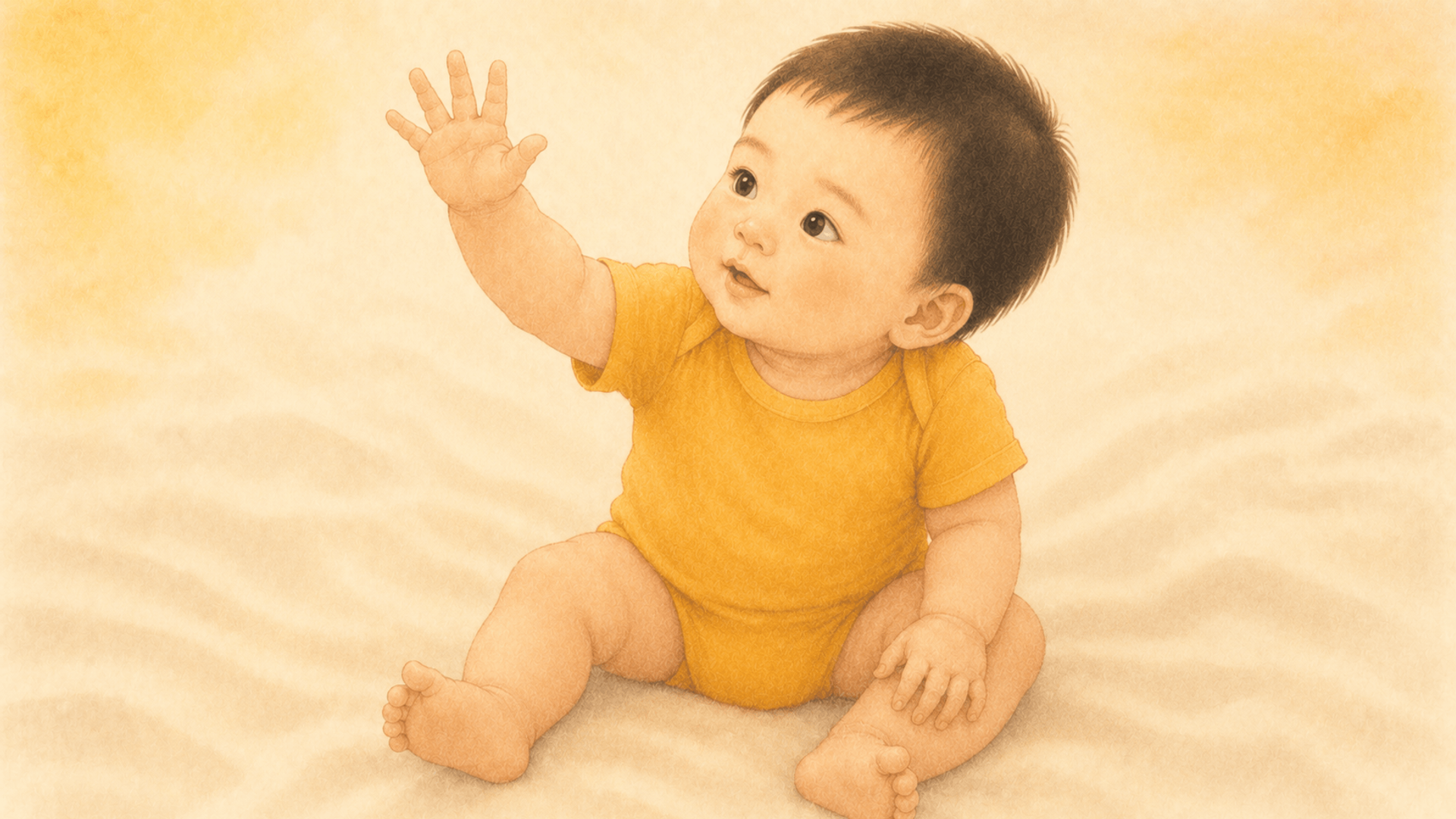
When Do Babies Wave Bye-Bye: Why Your Baby Needs You to Wave First
Most baby milestones unfold on a biological schedule — waving isn't one of them. A 2023 study found that babies develop imitation ability because their caregivers imitate them first, and waving is named directly as a cultural gesture learned through that loop. Here's what the research says about the 9–12 month window, why the first wave looks nothing like a wave, and what helps it arrive.
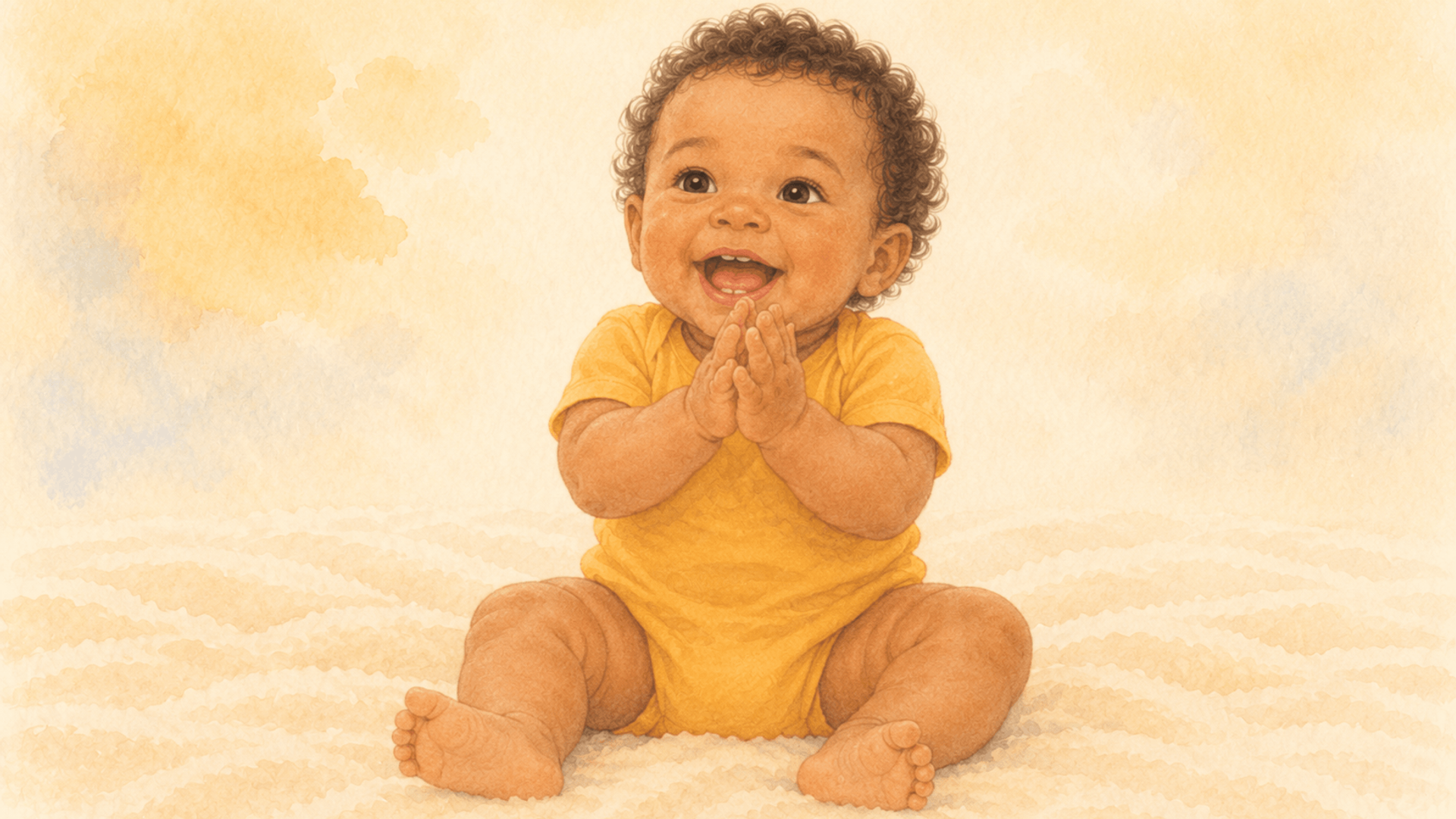
When Do Babies Start Clapping: The Answer Most Parents Don't Expect
Every article about baby clapping will tell you nine months. What they skip is that the brain system behind that first clap has been building since the second month of life. Here's what the CDC actually says about the milestone, what motor and neurological steps have to fall into place first, and how to tell a normal late clapper from a pattern worth flagging.
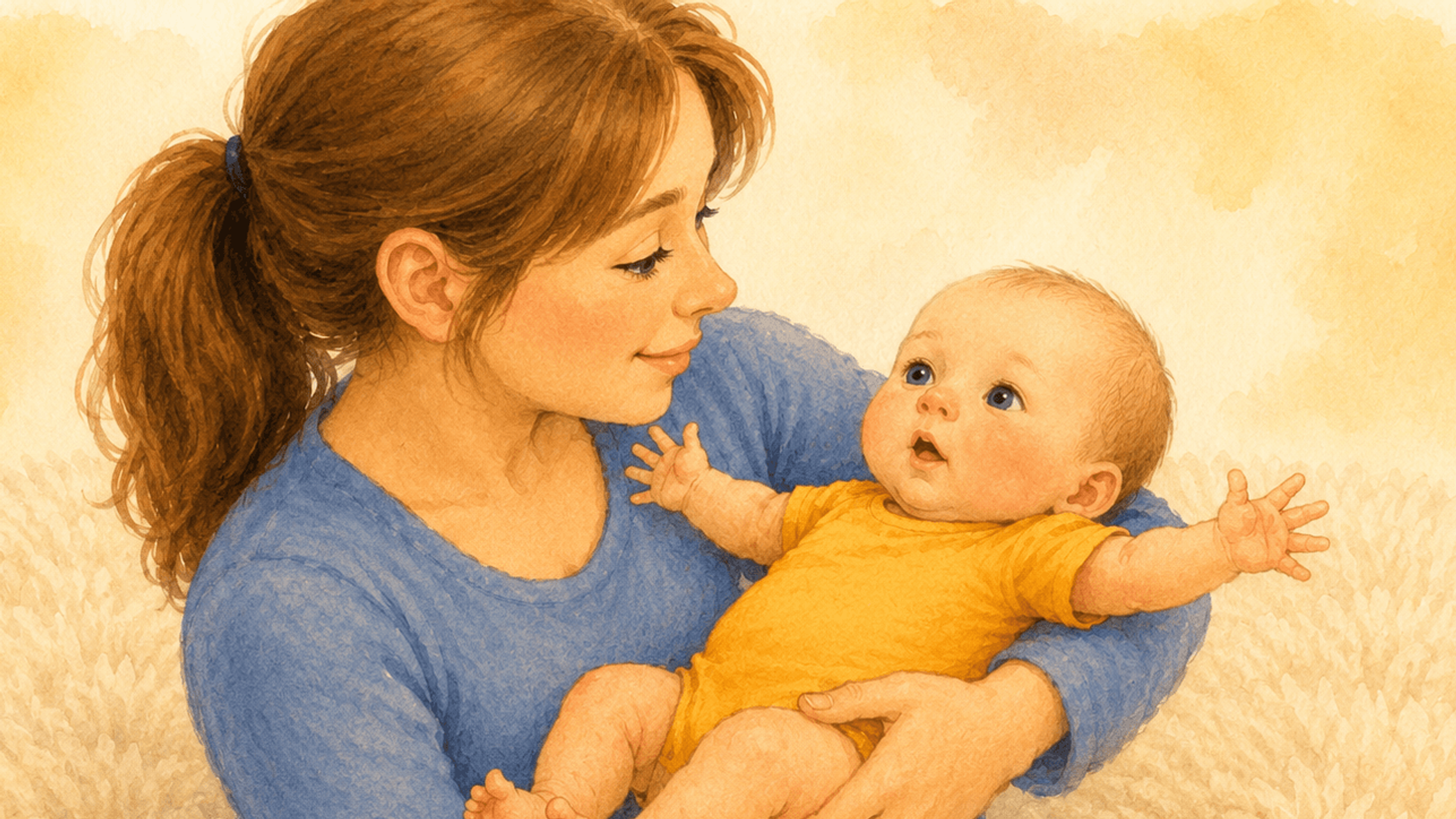
Newborn Reflexes: What They Mean and Where They Actually Go
Your pediatrician runs a finger along your baby's foot and scribbles something in the chart — and most parents have no idea what just happened. Newborn reflexes aren't a cute checklist. They're brainstem programs that helped your baby survive arrival into the world, and they don't vanish when the brain matures — they get switched off. Whether each one is present, absent, or still hanging around at the wrong age tells your pediatrician more than you might expect.
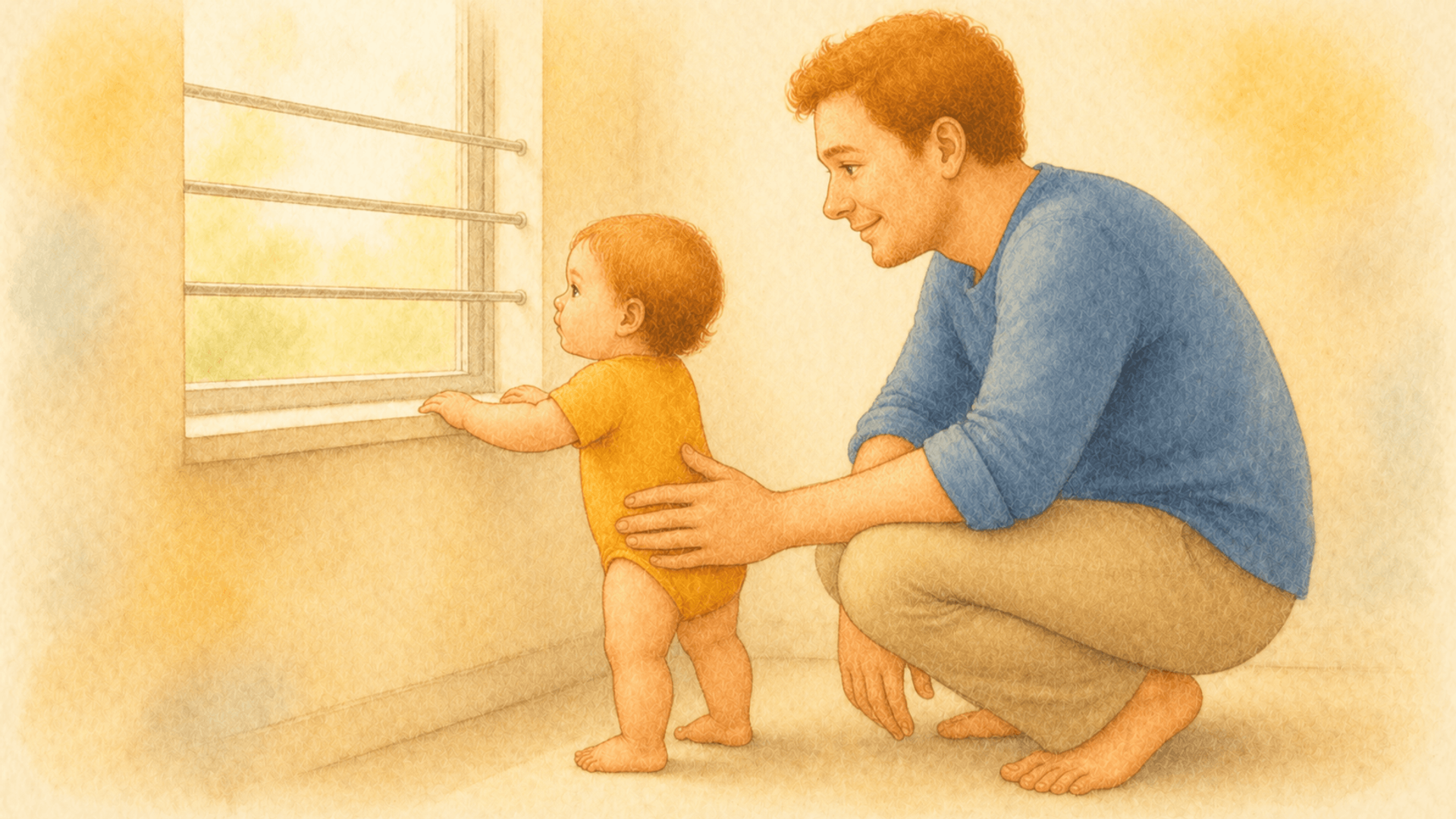
How to Baby Proof Your Home Room by Room: A Danger Map in the Right Order
Most baby proofing starts with outlet plugs and ends in the wrong order. The hazards that actually send babies to the emergency room (unanchored furniture, water, swallowable objects, windows) get handled last, if at all. Here's a room-by-room plan built around what really hurts babies, plus the developmental reason "she can't do that yet" is the riskiest assumption in the house.
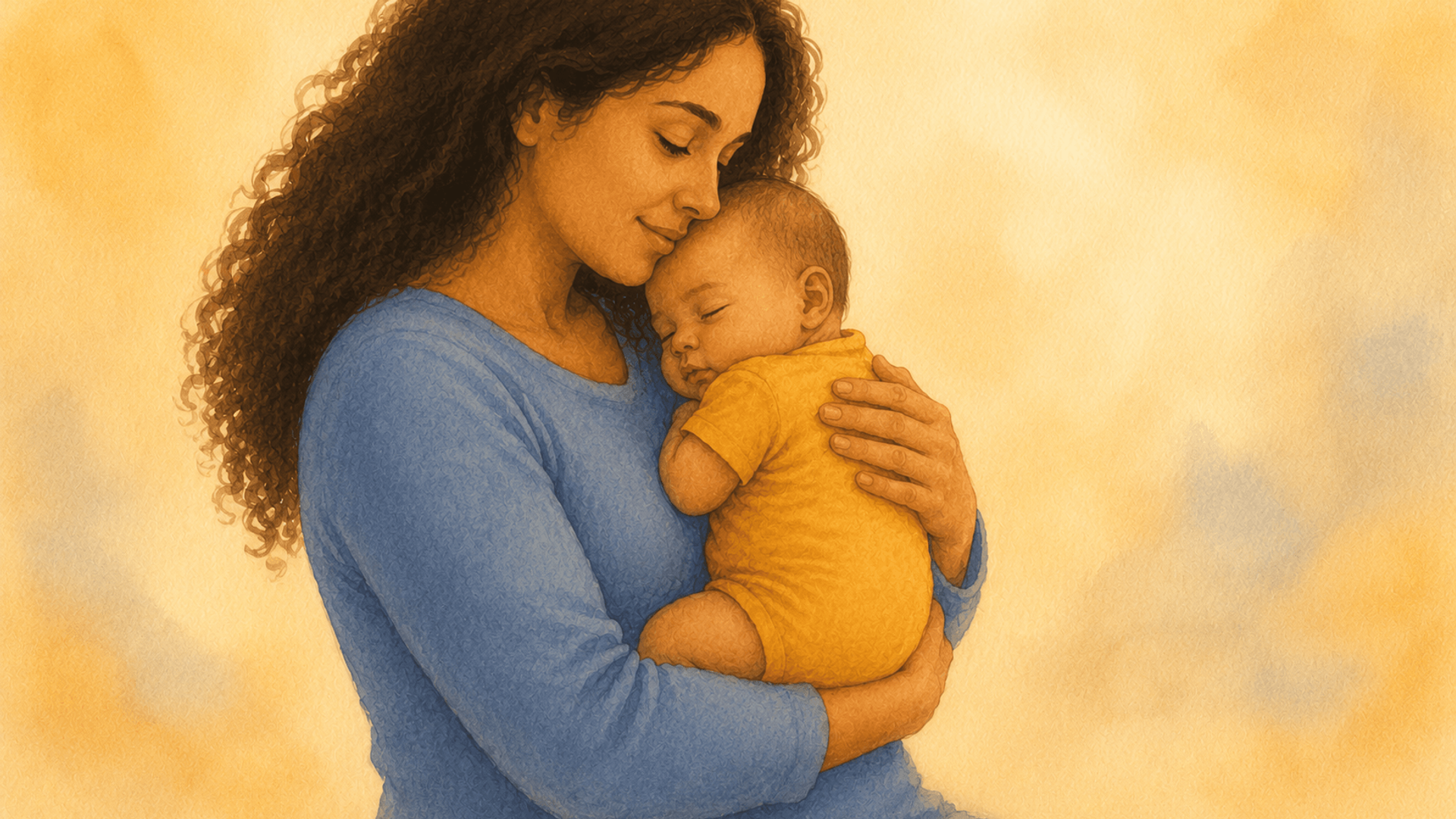
Newborn Care Basics: What the Research Behind Each Rule Says
Every rule in newborn care — dry cord, fewer baths, back to sleep, hip-healthy swaddling — has a study behind it, and sometimes the study changes how you'd actually do the thing. This is the hands-on mechanics guide: cord stump, bathing, diapers, swaddling, temperature, nails, and nose, each explained with the research that shaped the recommendation.
Our collection for this age.
Made for where your child is right now.
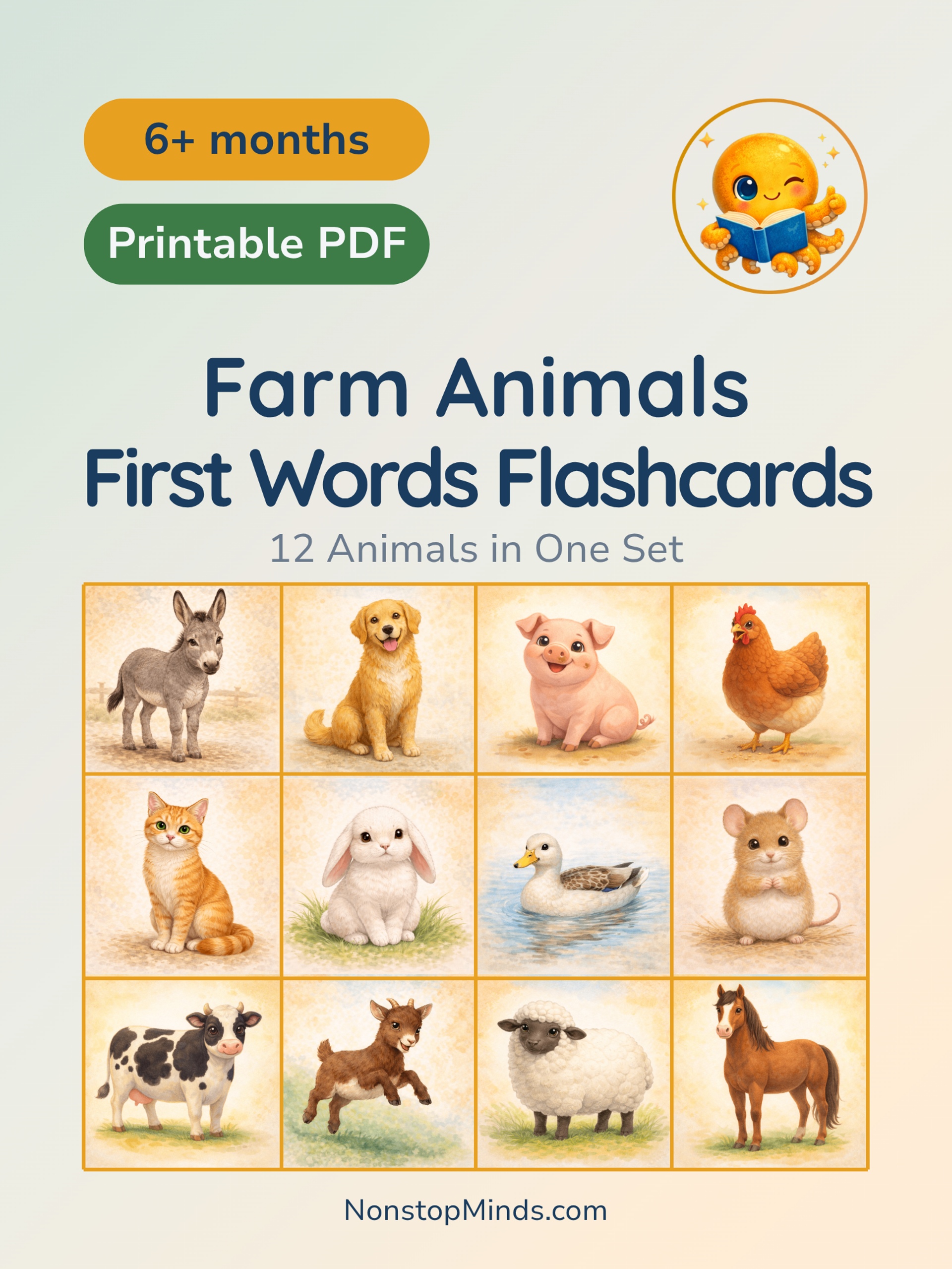
Farm Animals: First Words Flashcards
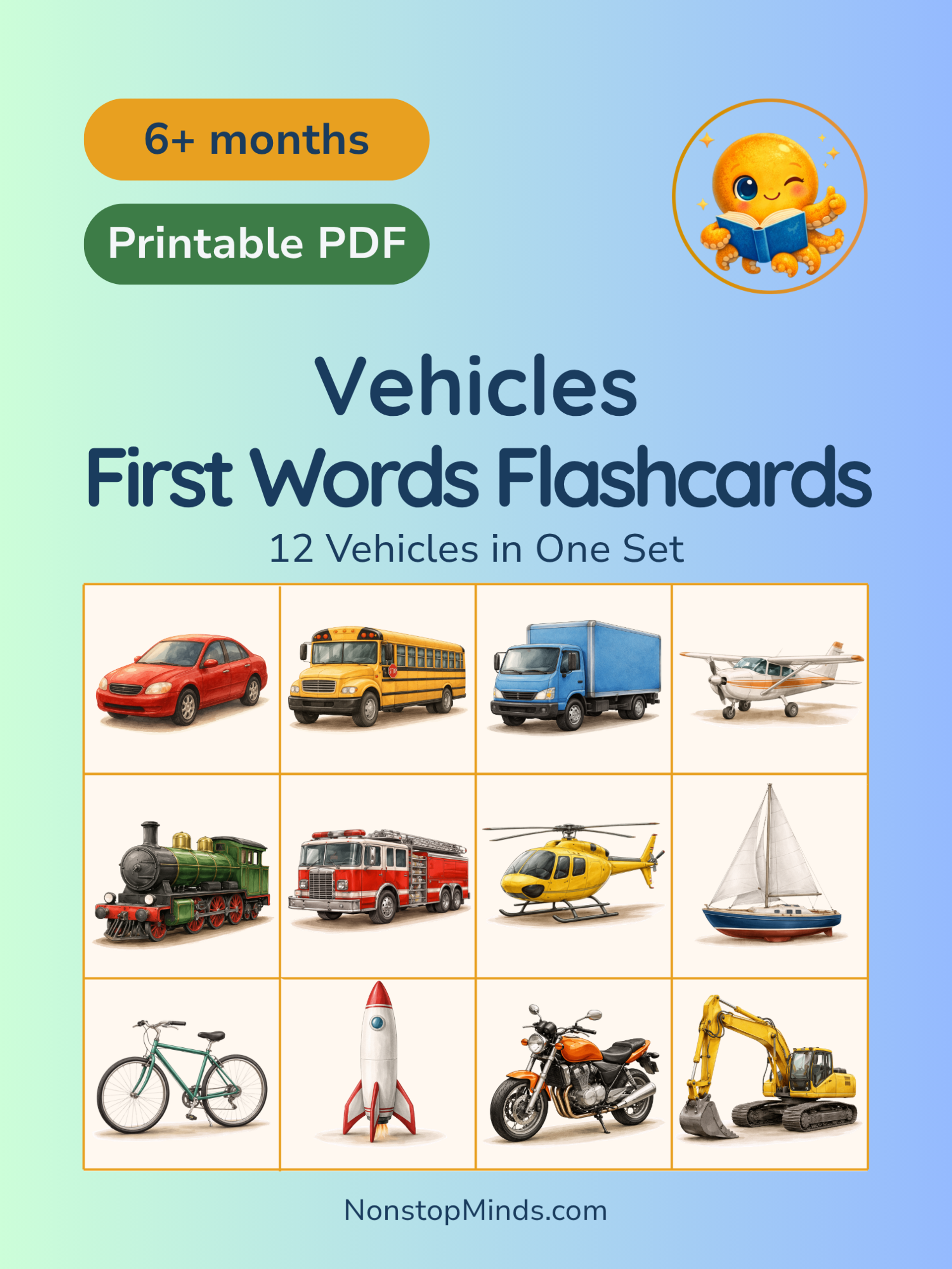
Vehicles: First Words Flashcards
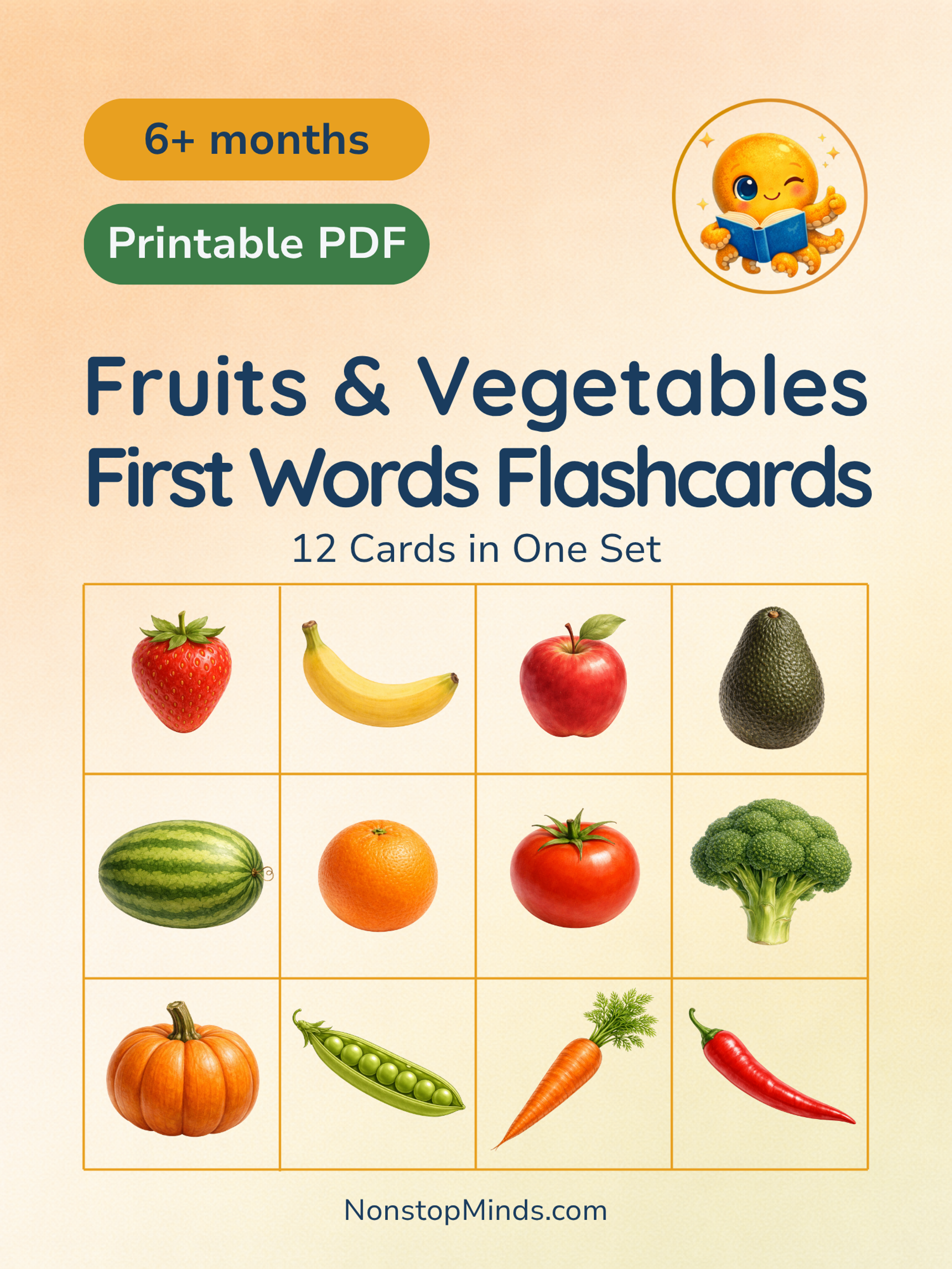
Fruits & Vegetables: First Words Flashcards
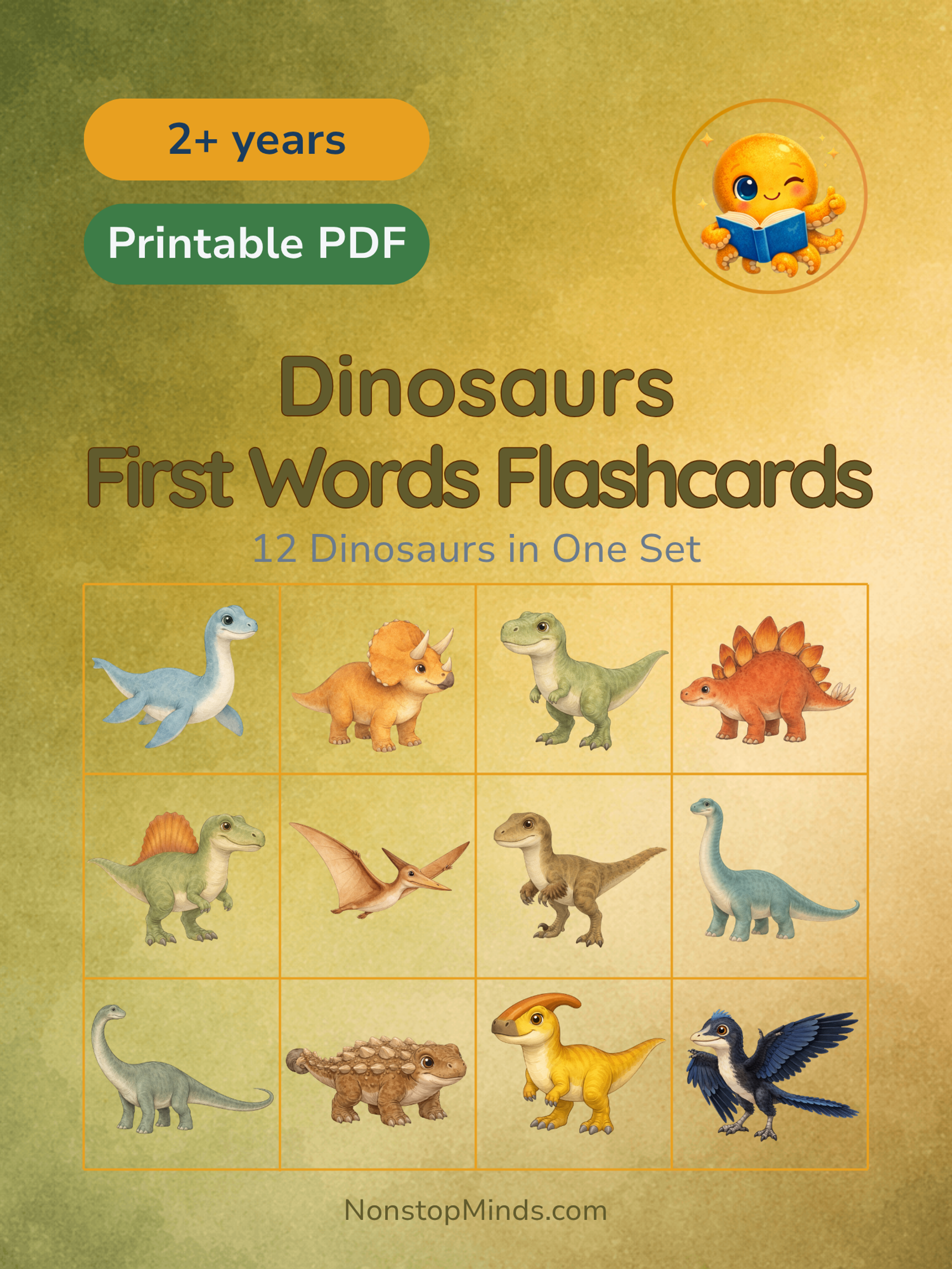
Dinosaurs: First Words Flashcards
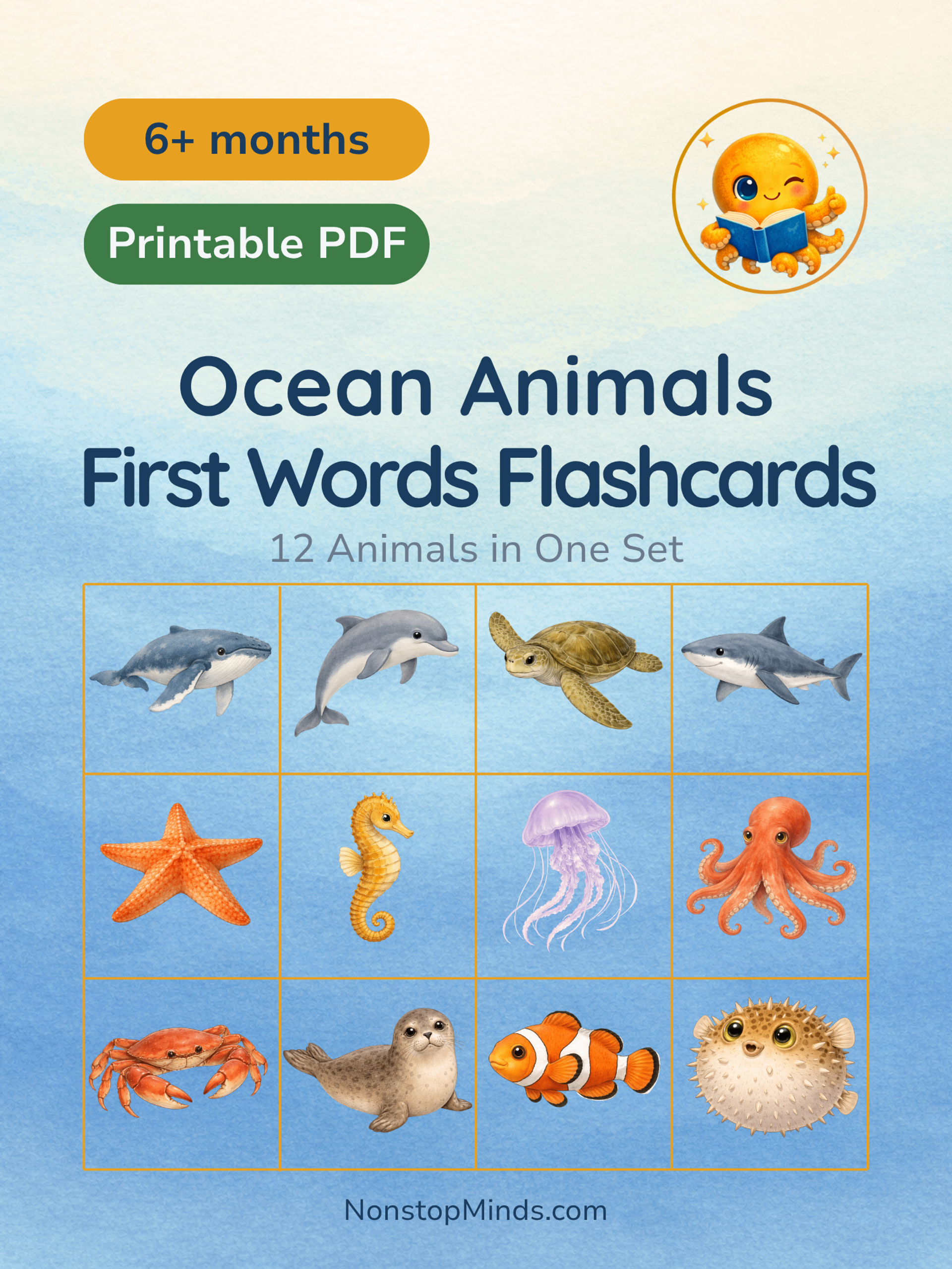
Ocean Animals: First Words Flashcards
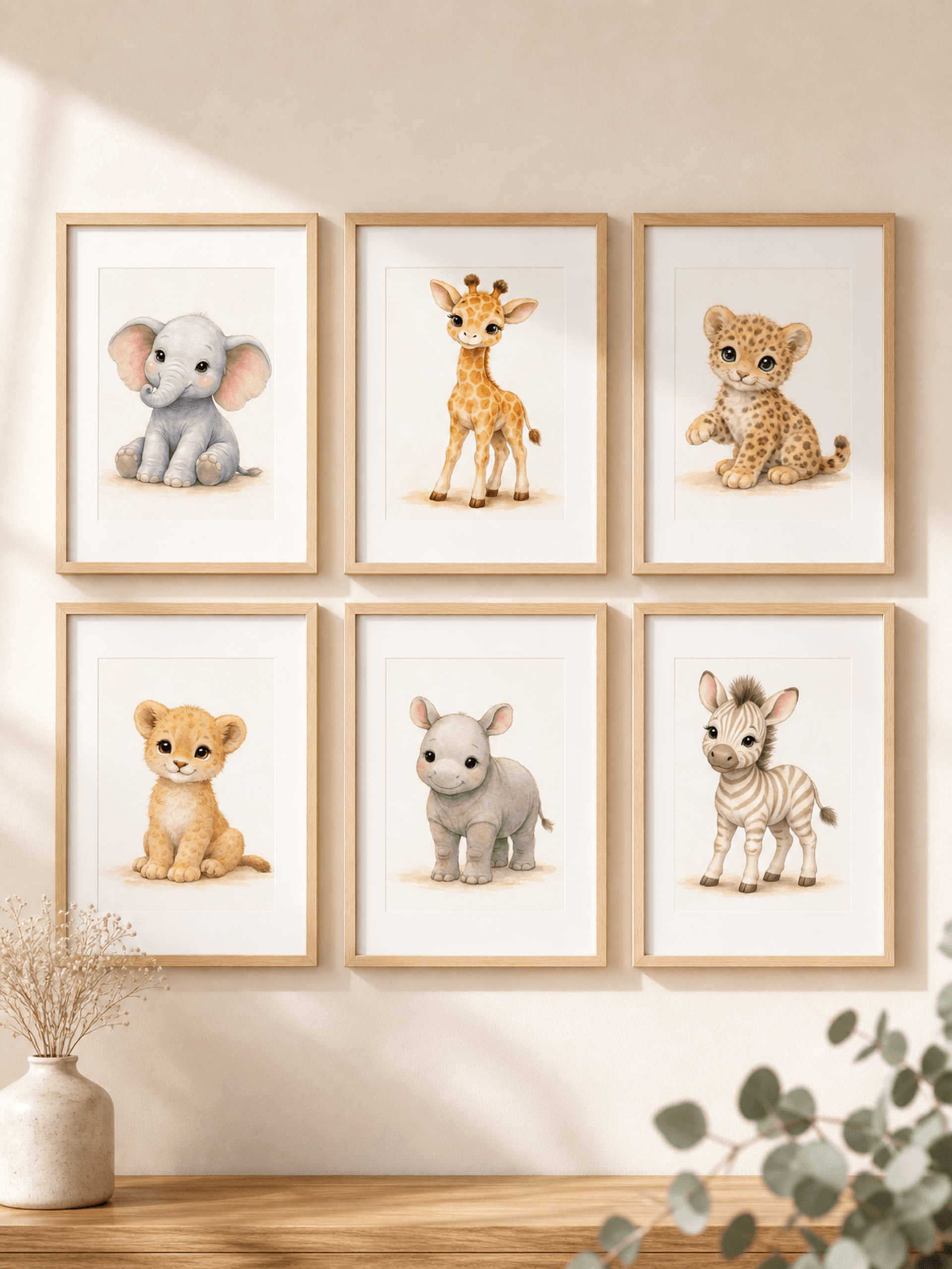
Safari Baby Animals Wall Art
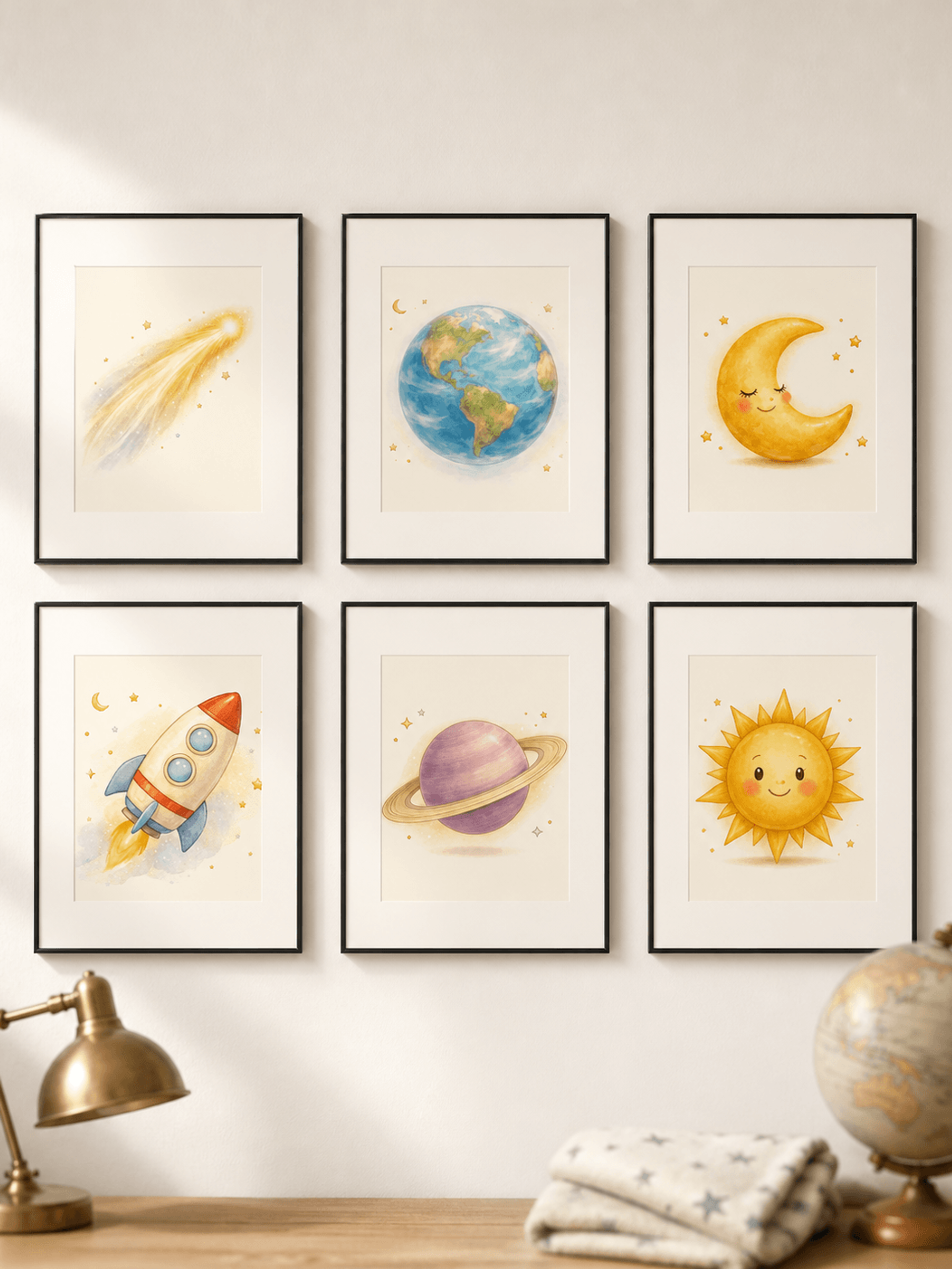
Space Wall Art
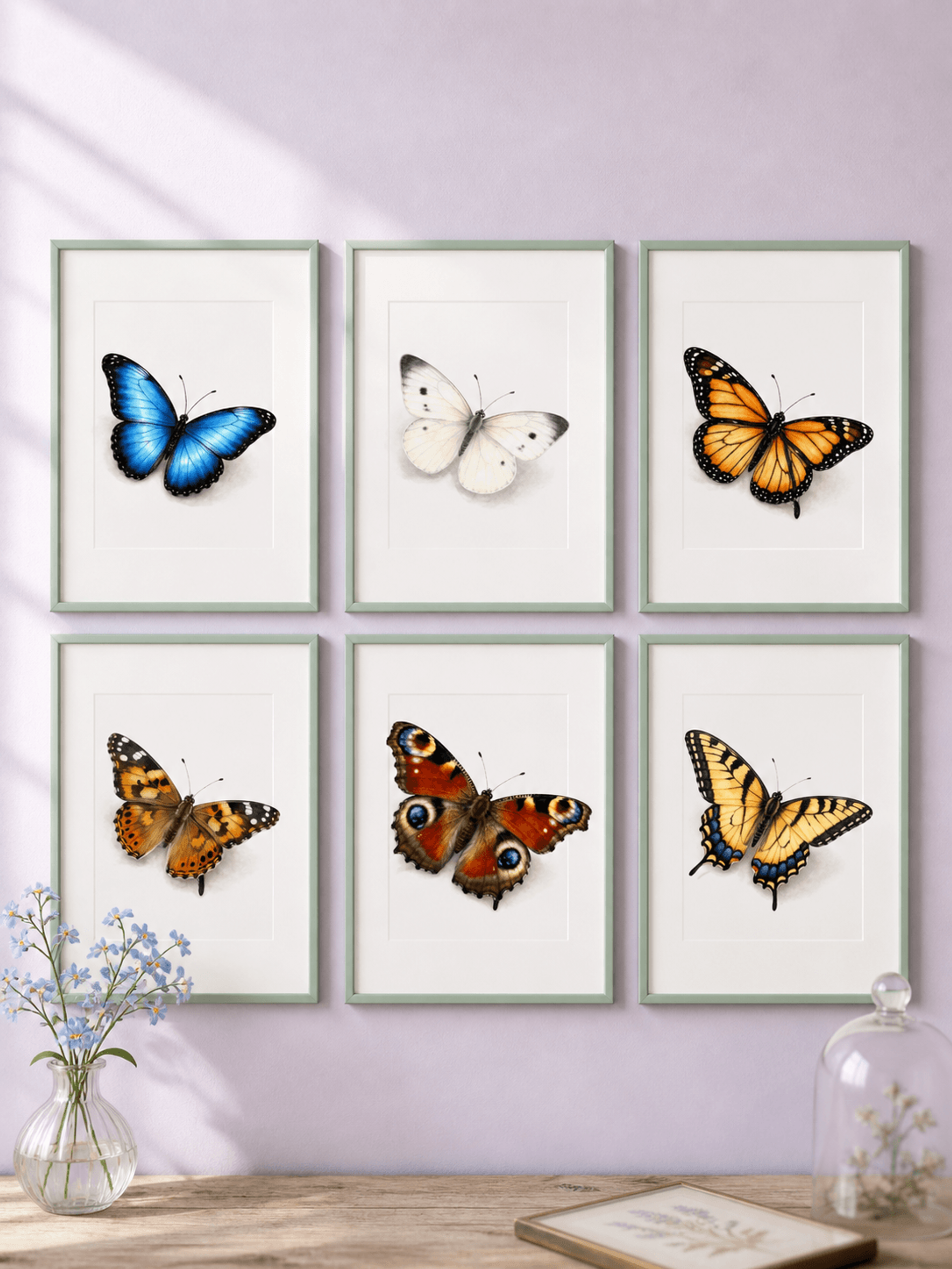
Butterflies Wall Art
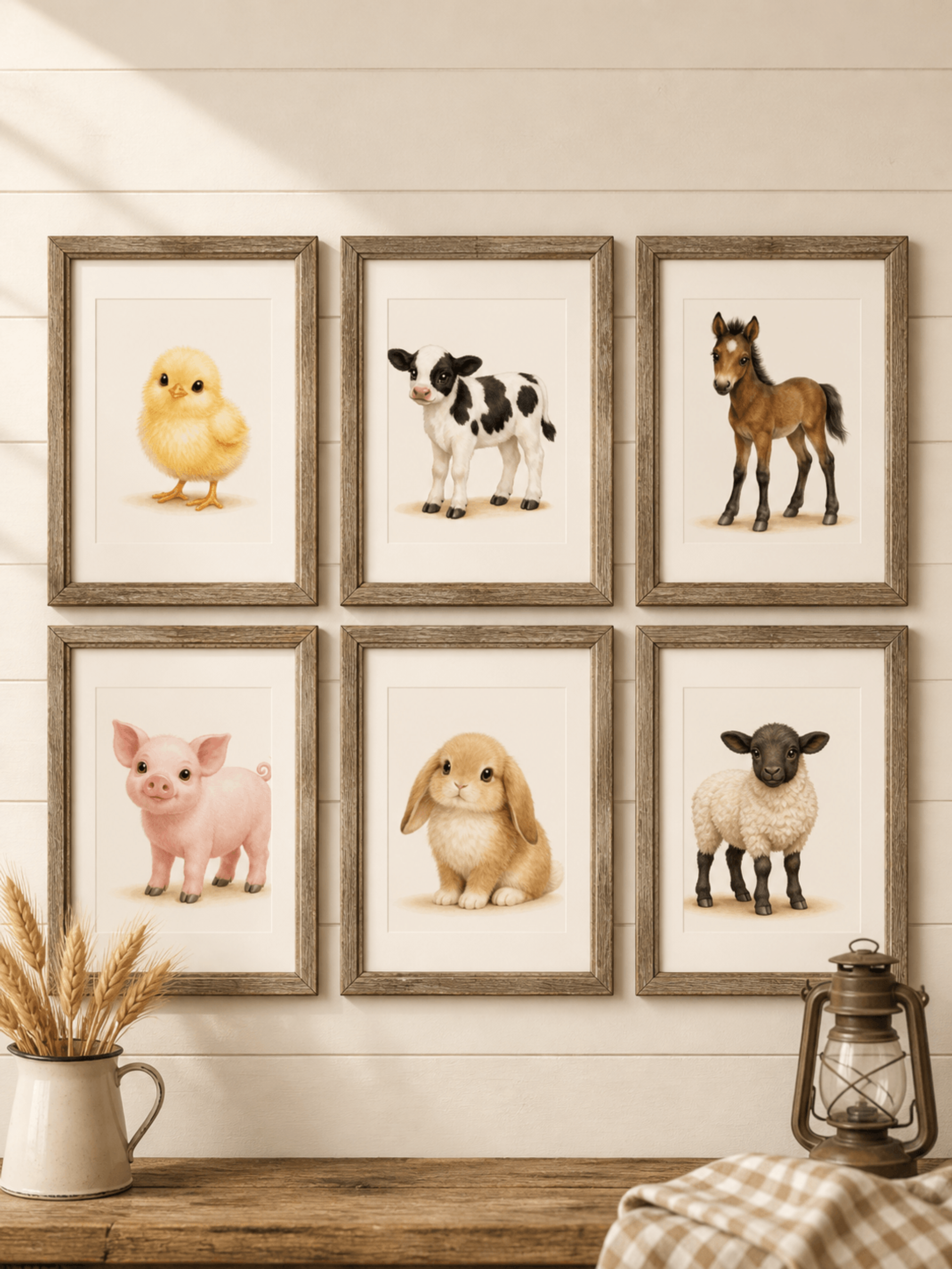
Farm Baby Animals Wall Art
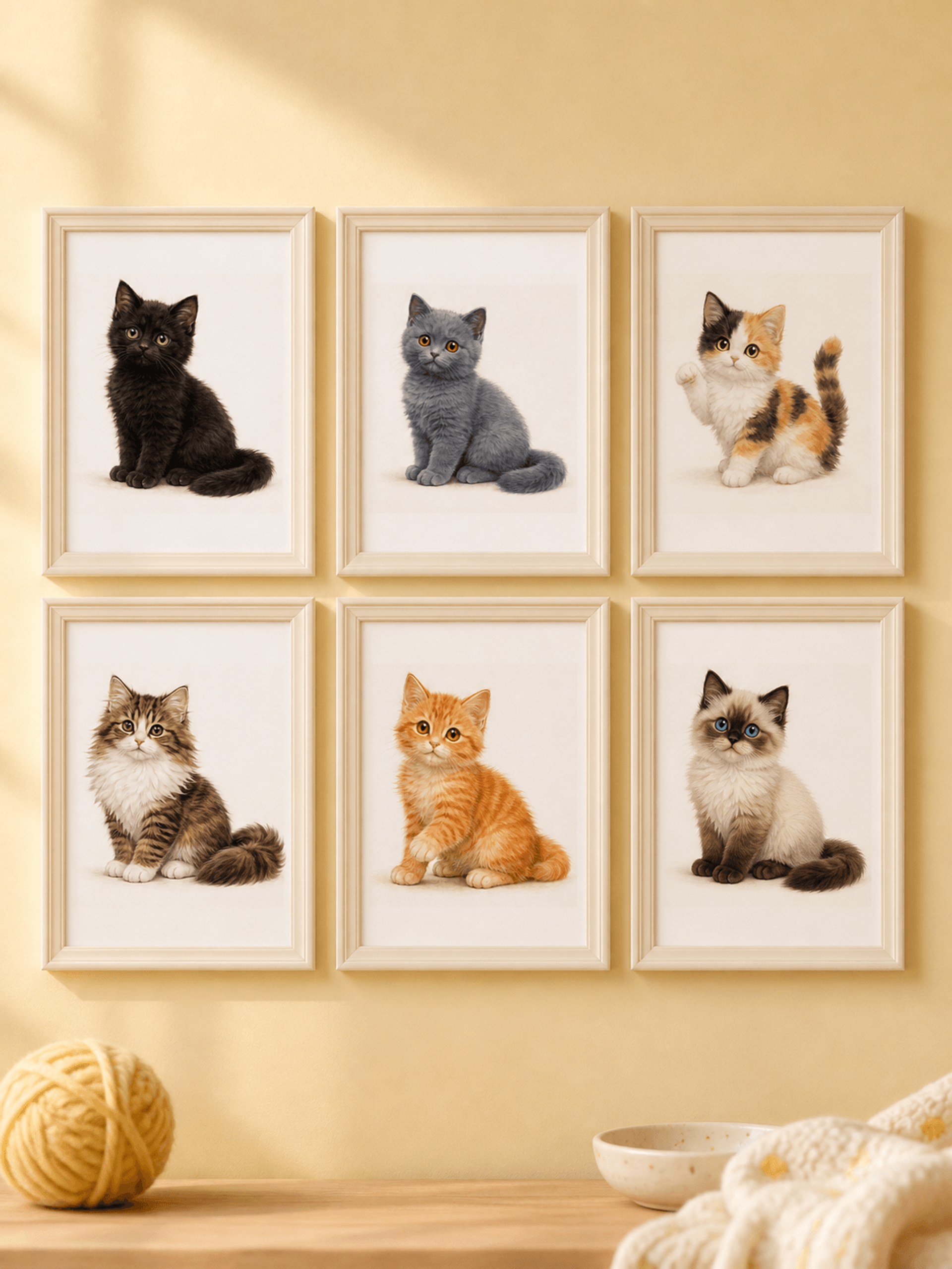
Baby Kittens Wall Art
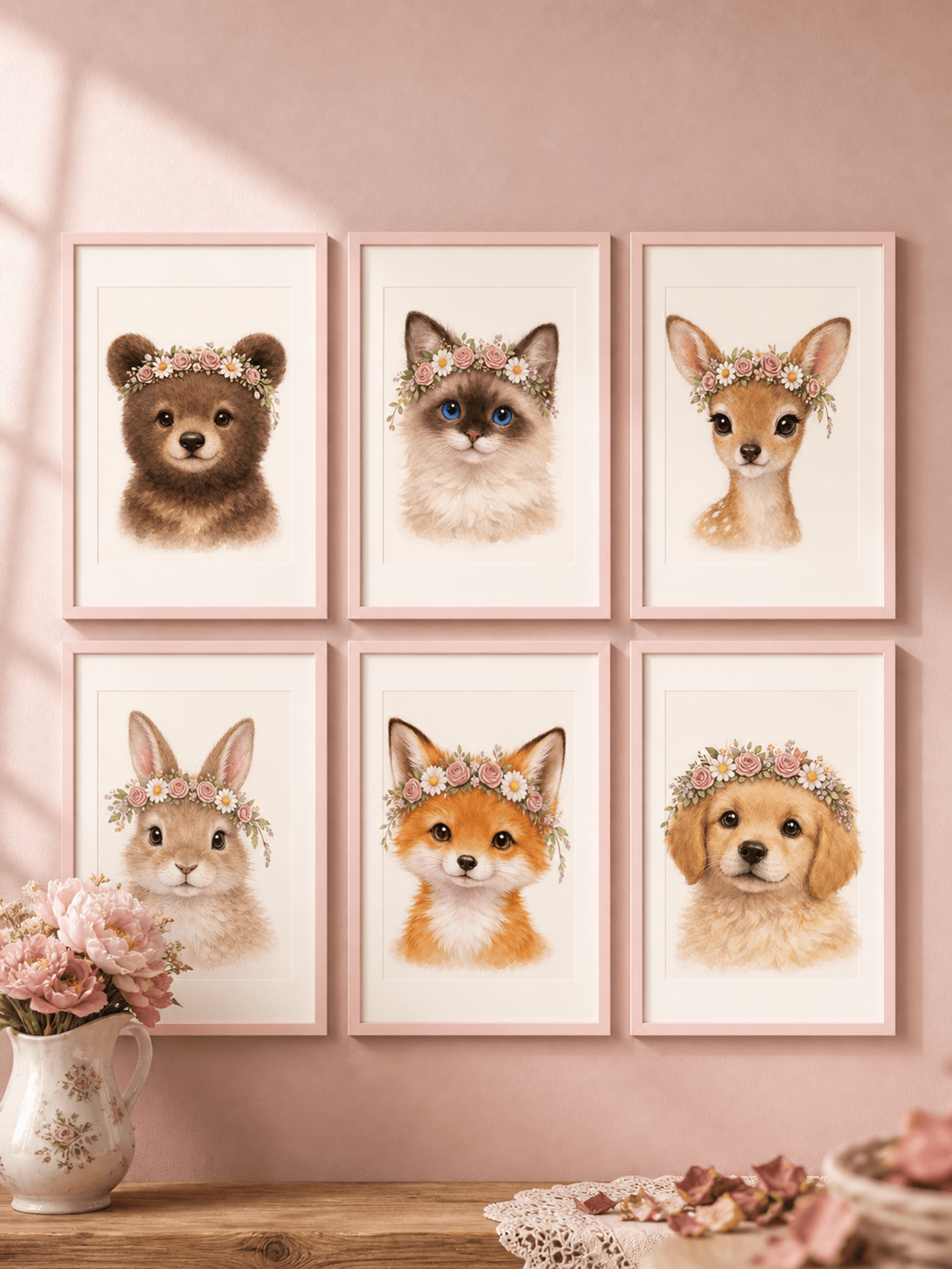
Floral Crown Animals Wall Art
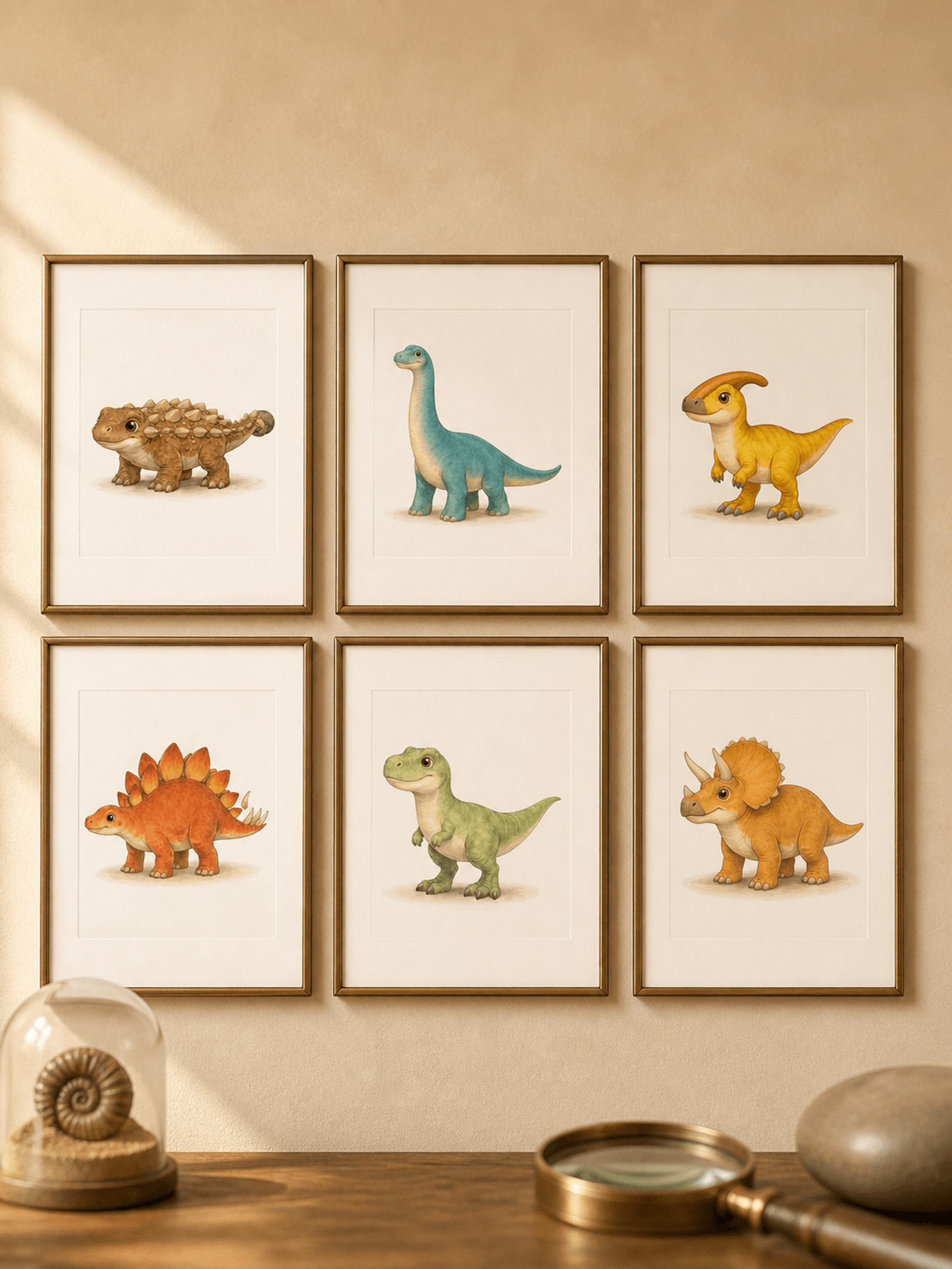
Baby Dinosaurs Wall Art
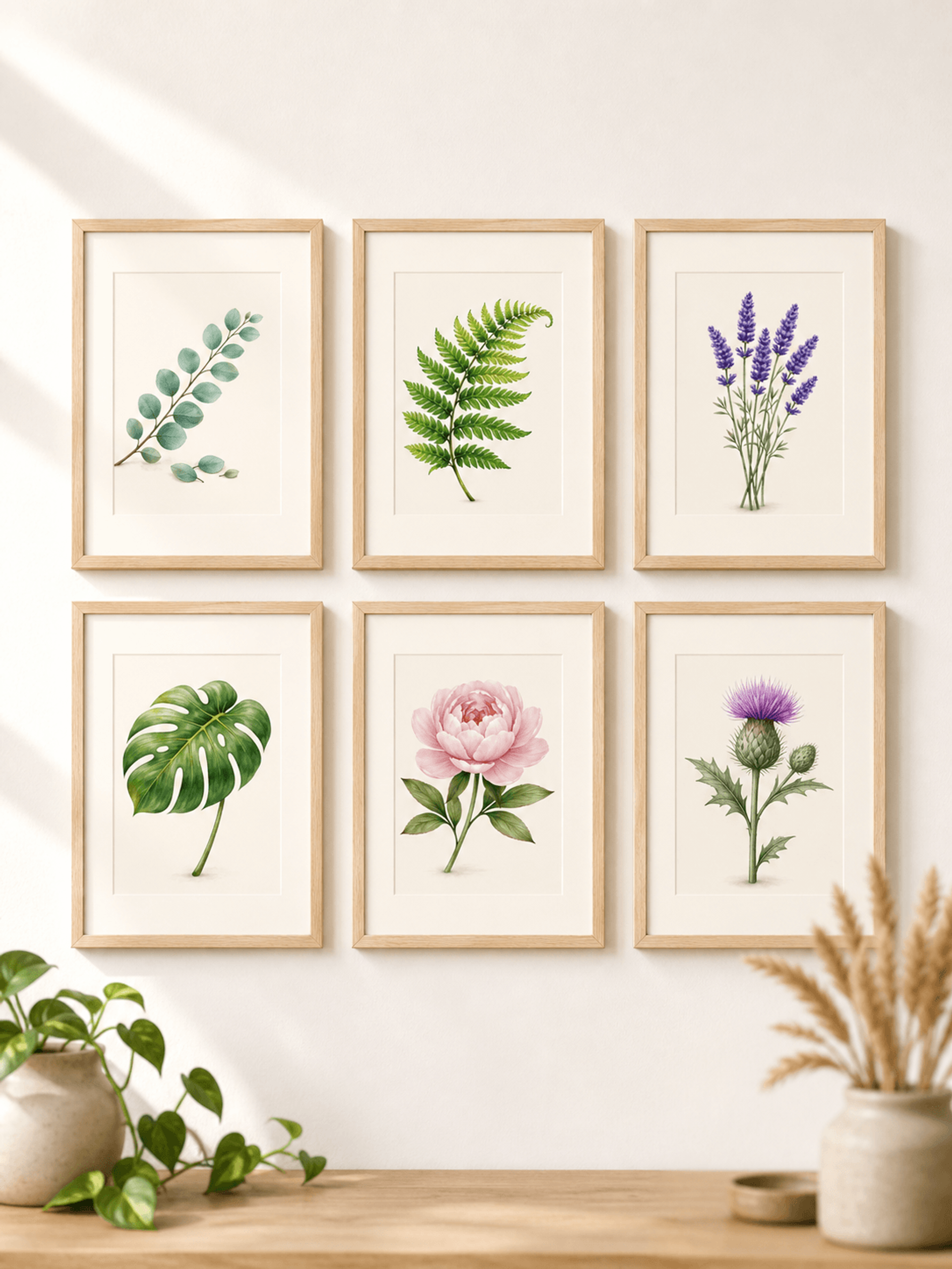
Botanical Wall Art
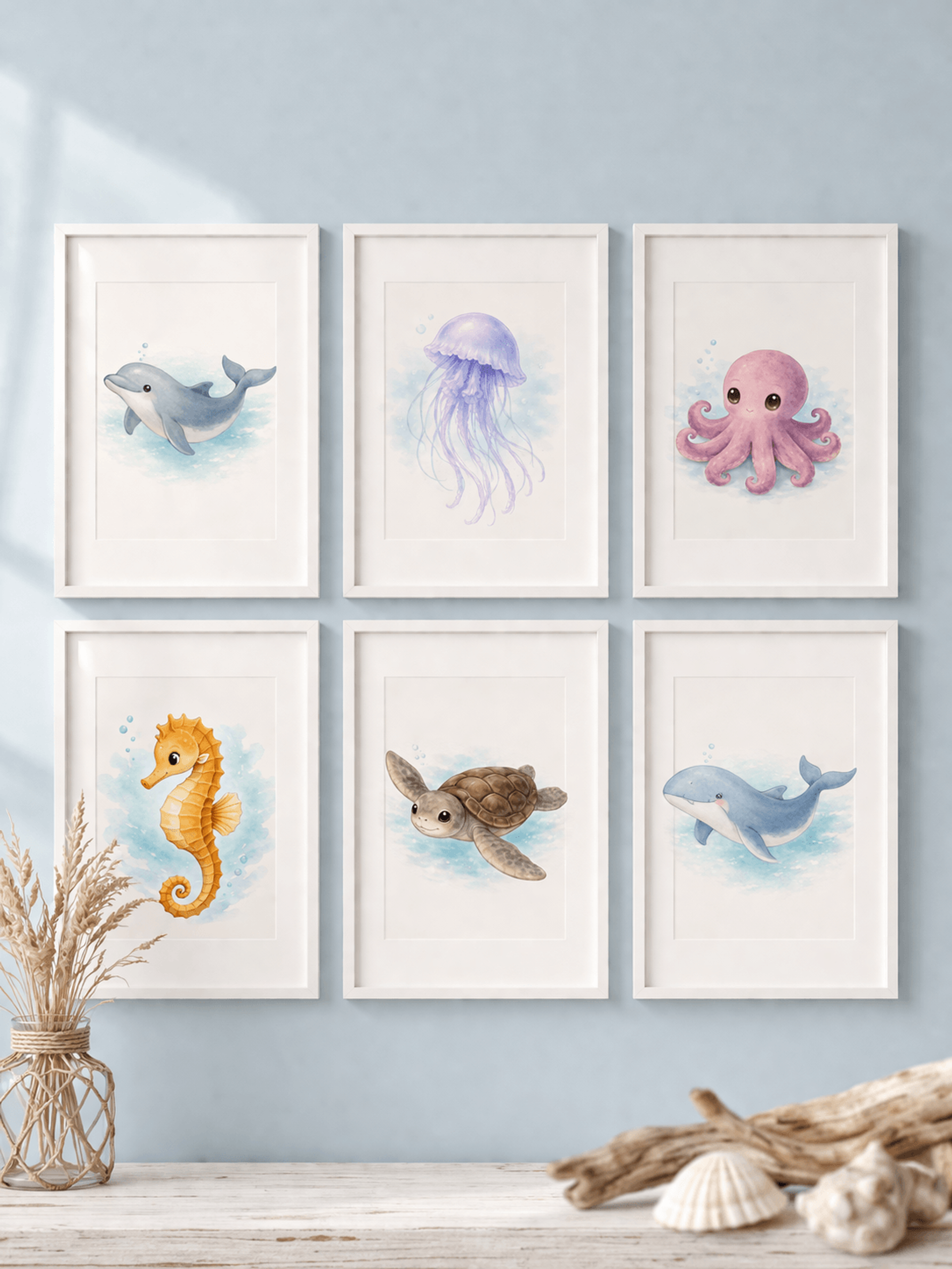
Ocean Baby Animals Wall Art
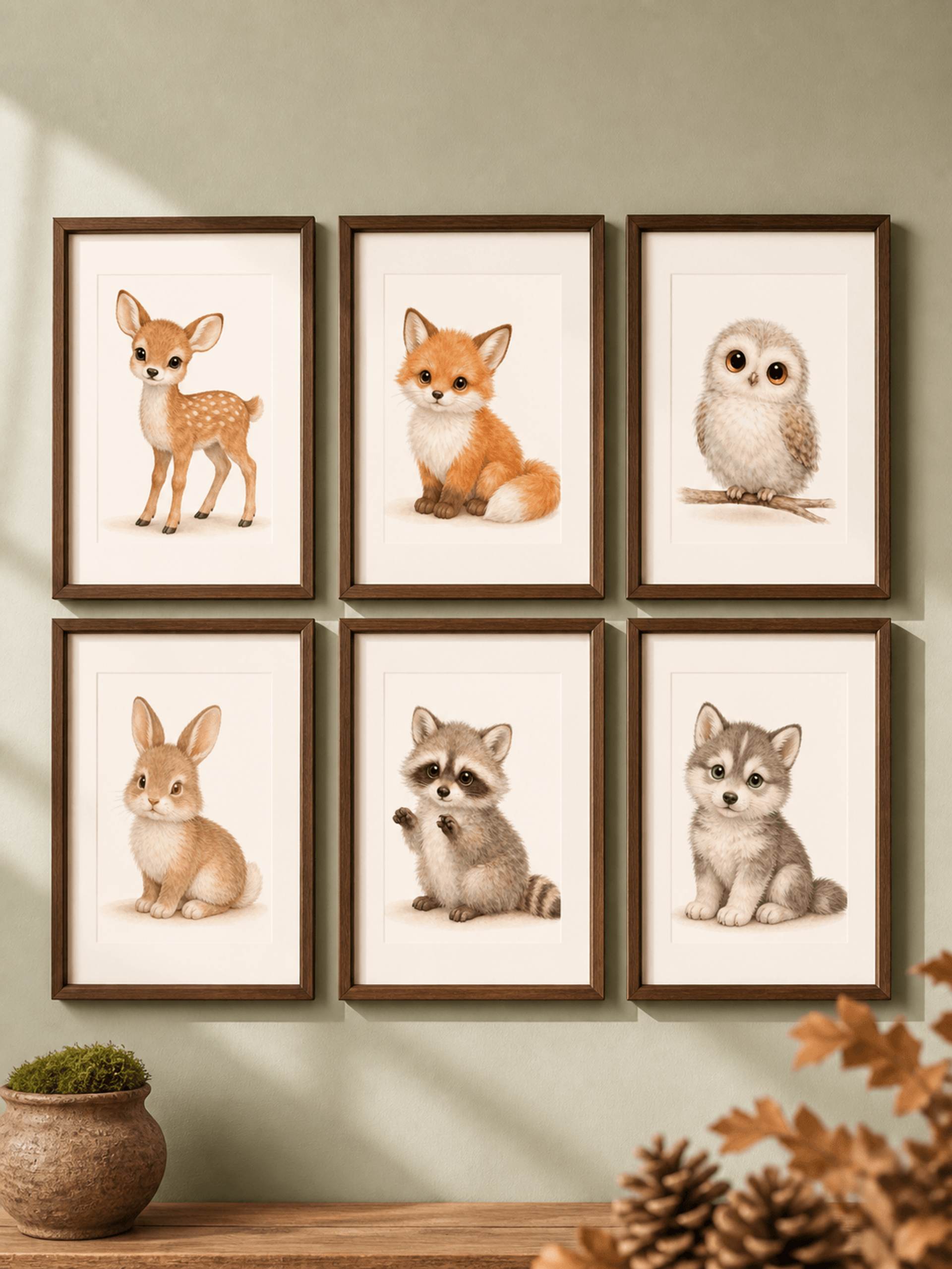
Woodland Baby Animals Wall Art
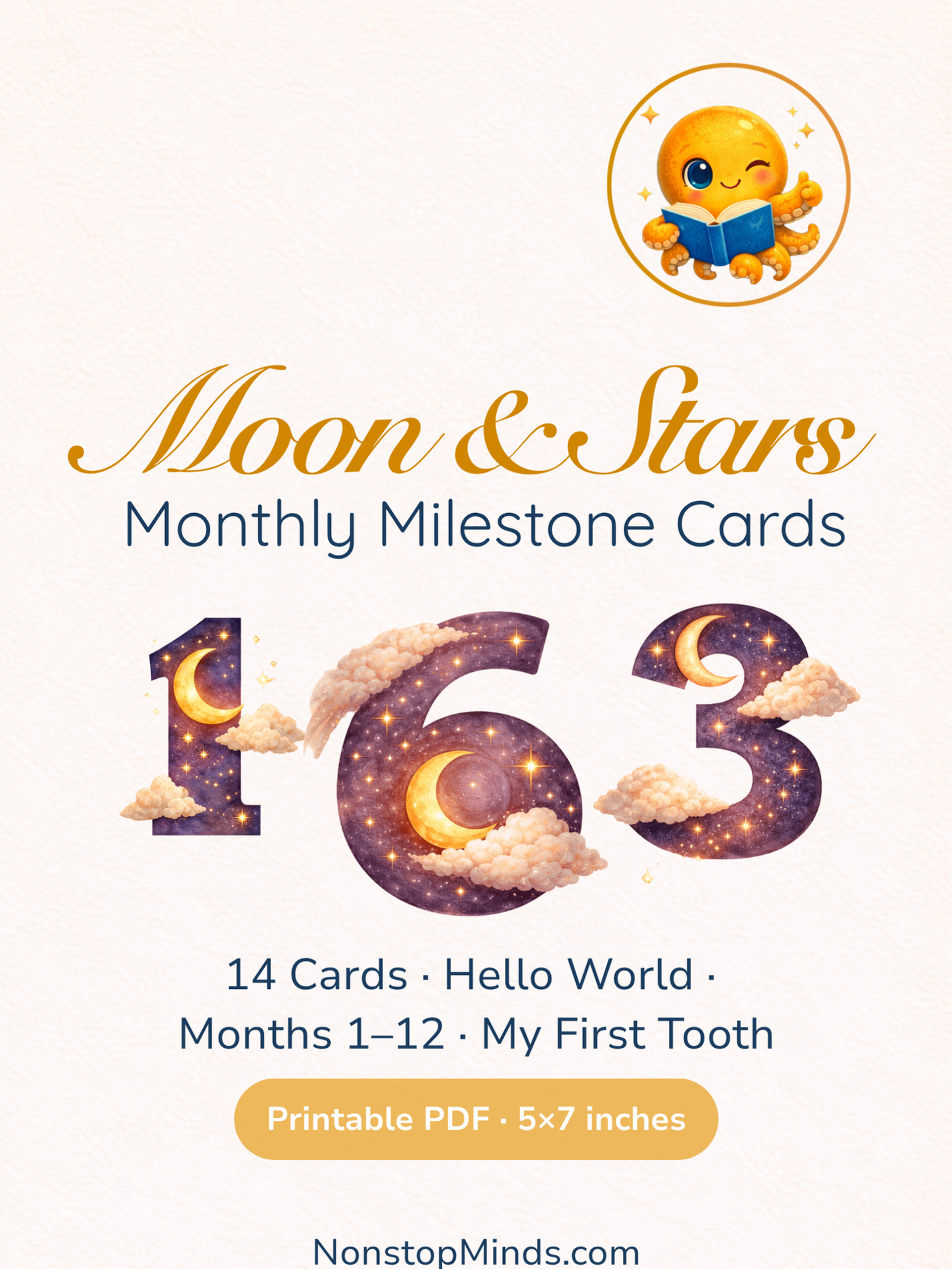
Moon & Stars Monthly Milestone Cards
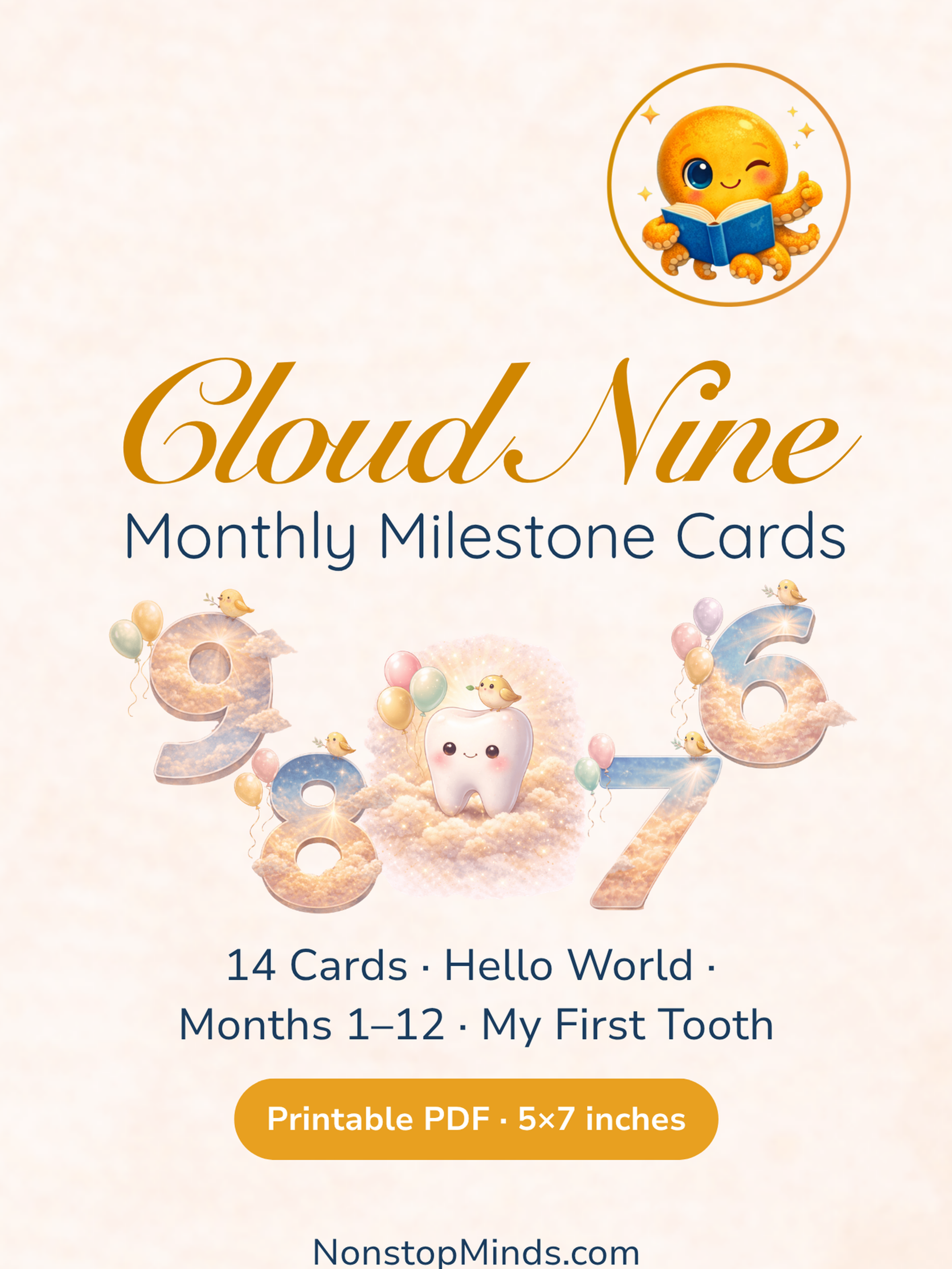
Cloud Nine Monthly Milestone Cards
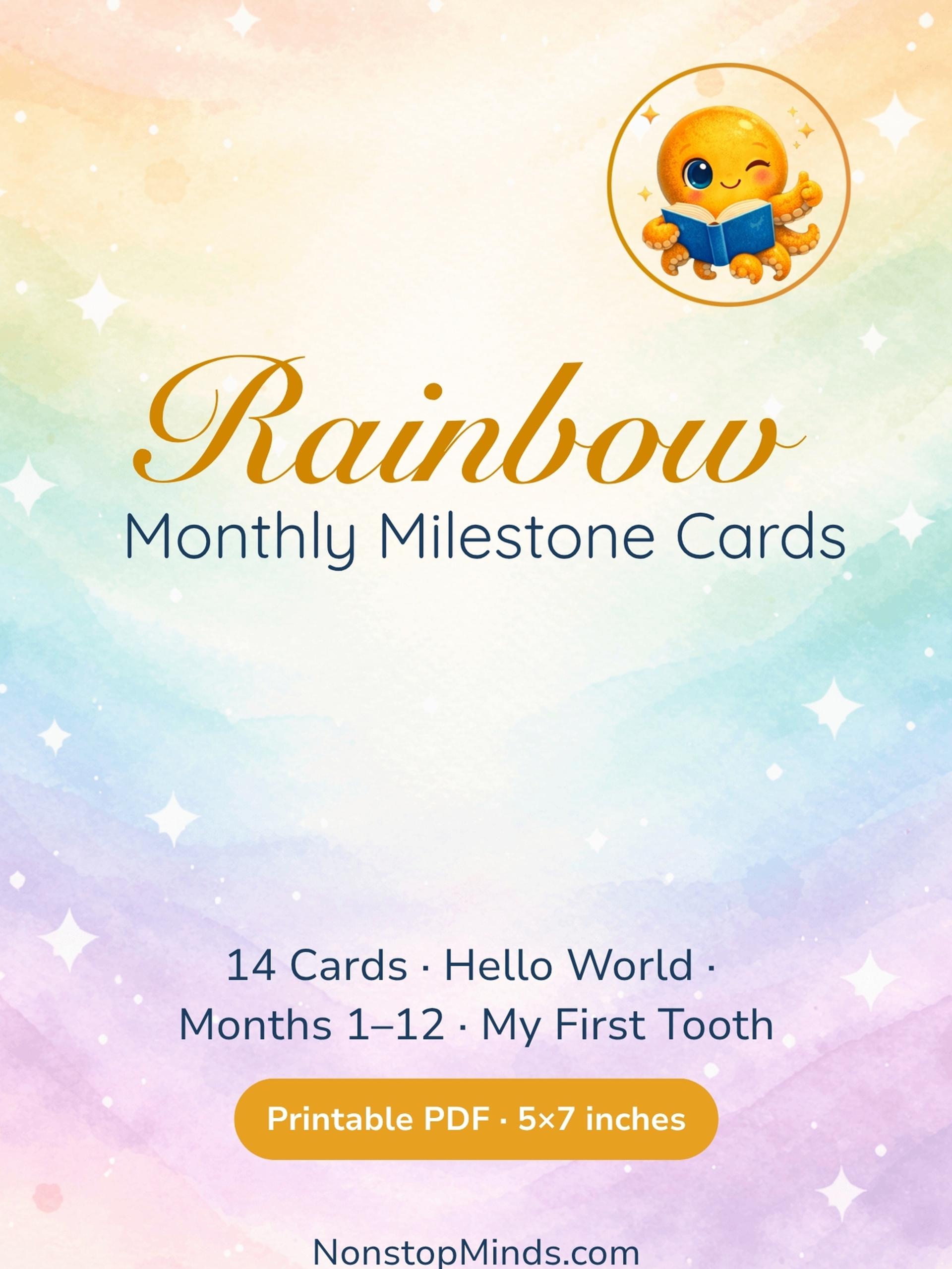
Rainbow Monthly Milestone Cards
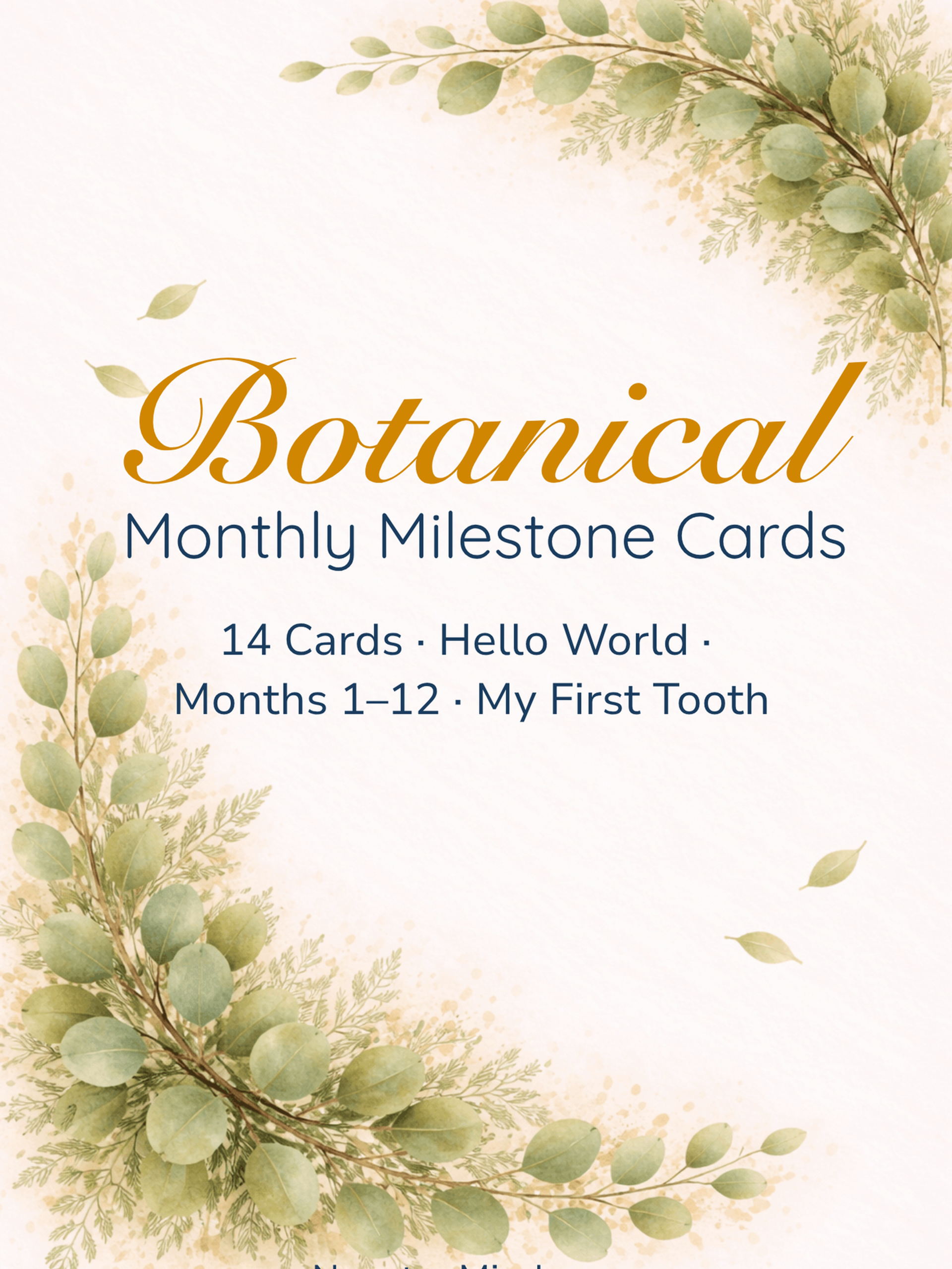
Botanical Monthly Milestone Cards
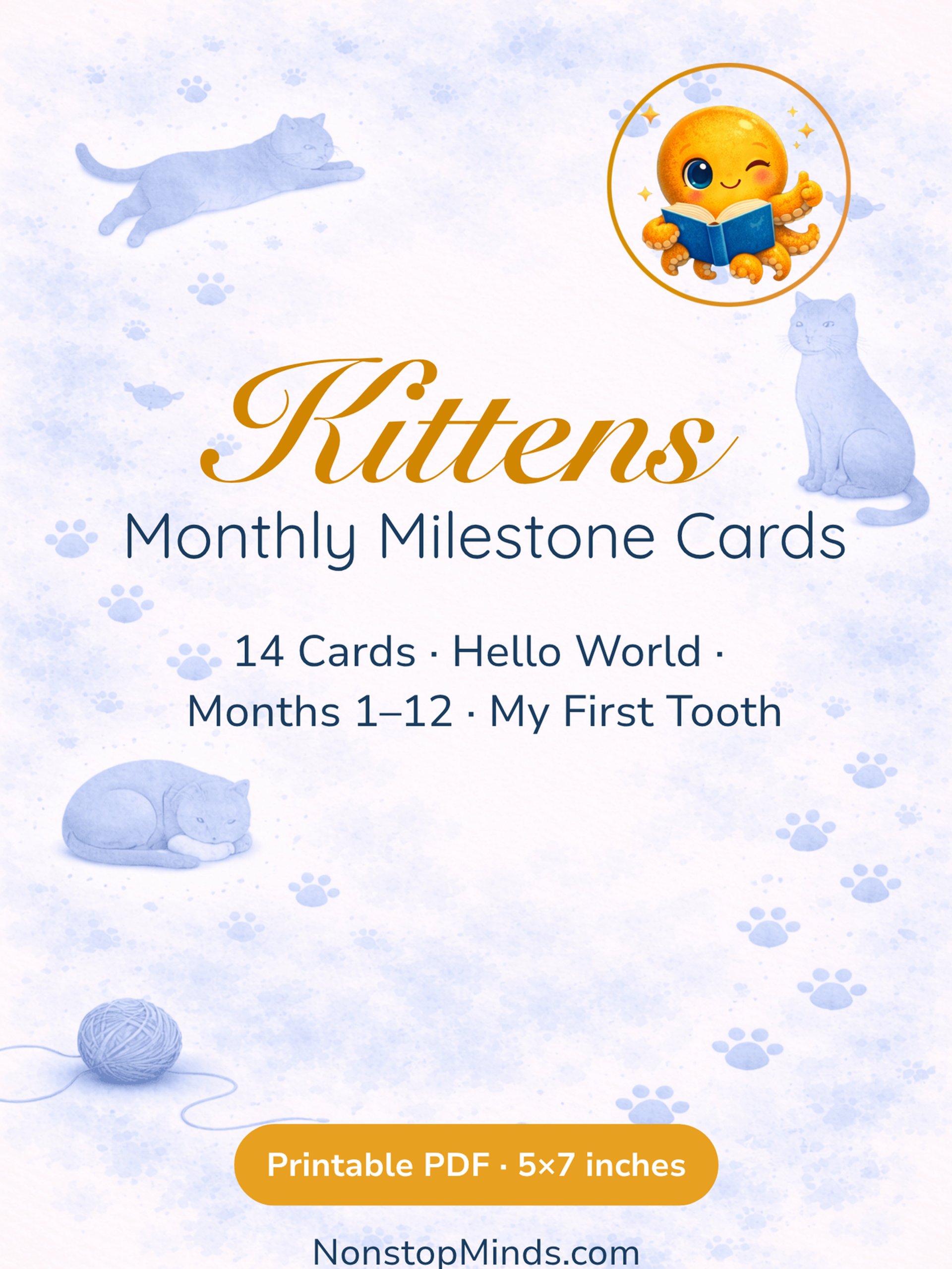
Kittens Monthly Milestone Cards
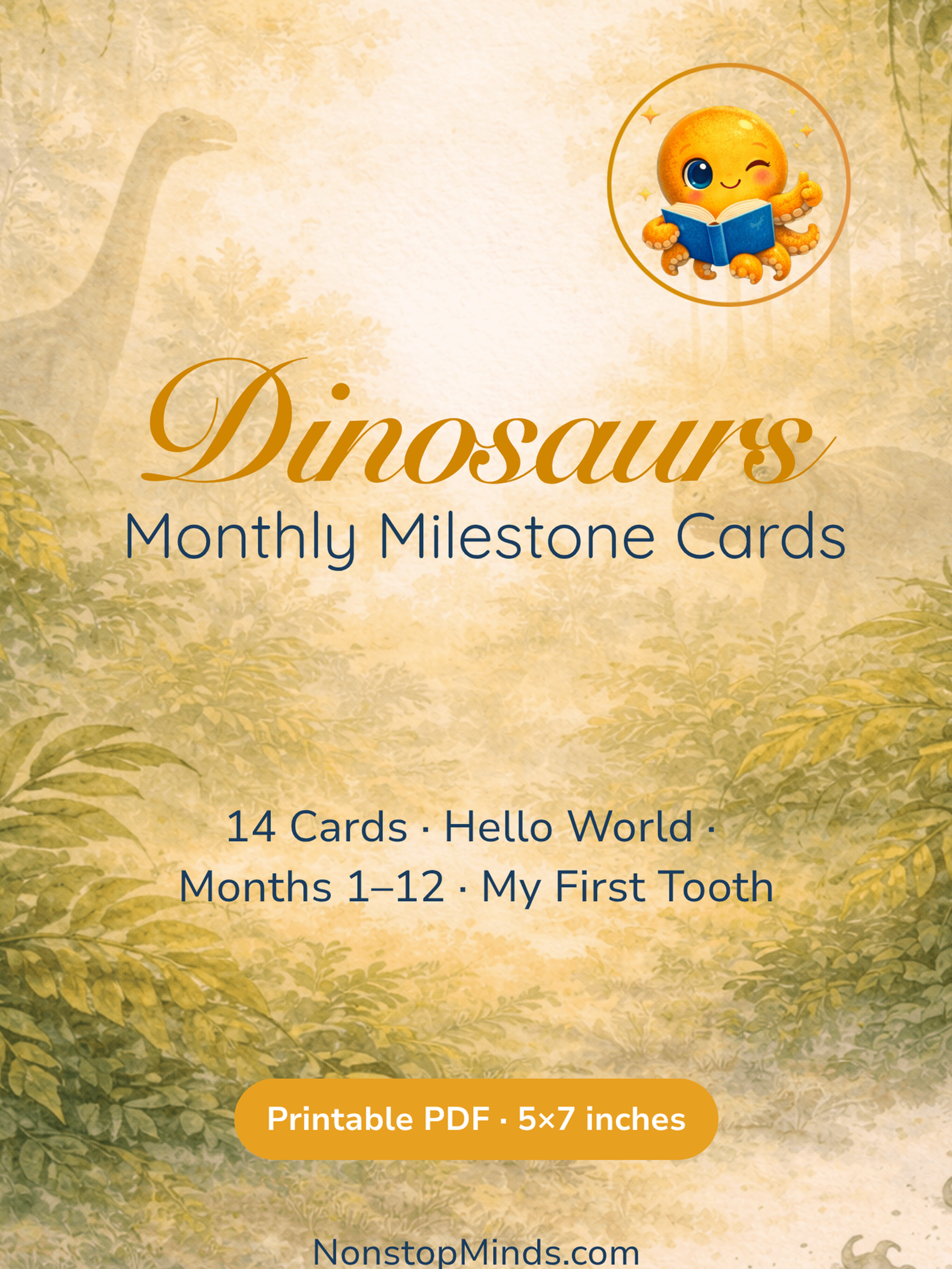
Dinosaurs Monthly Milestone Cards
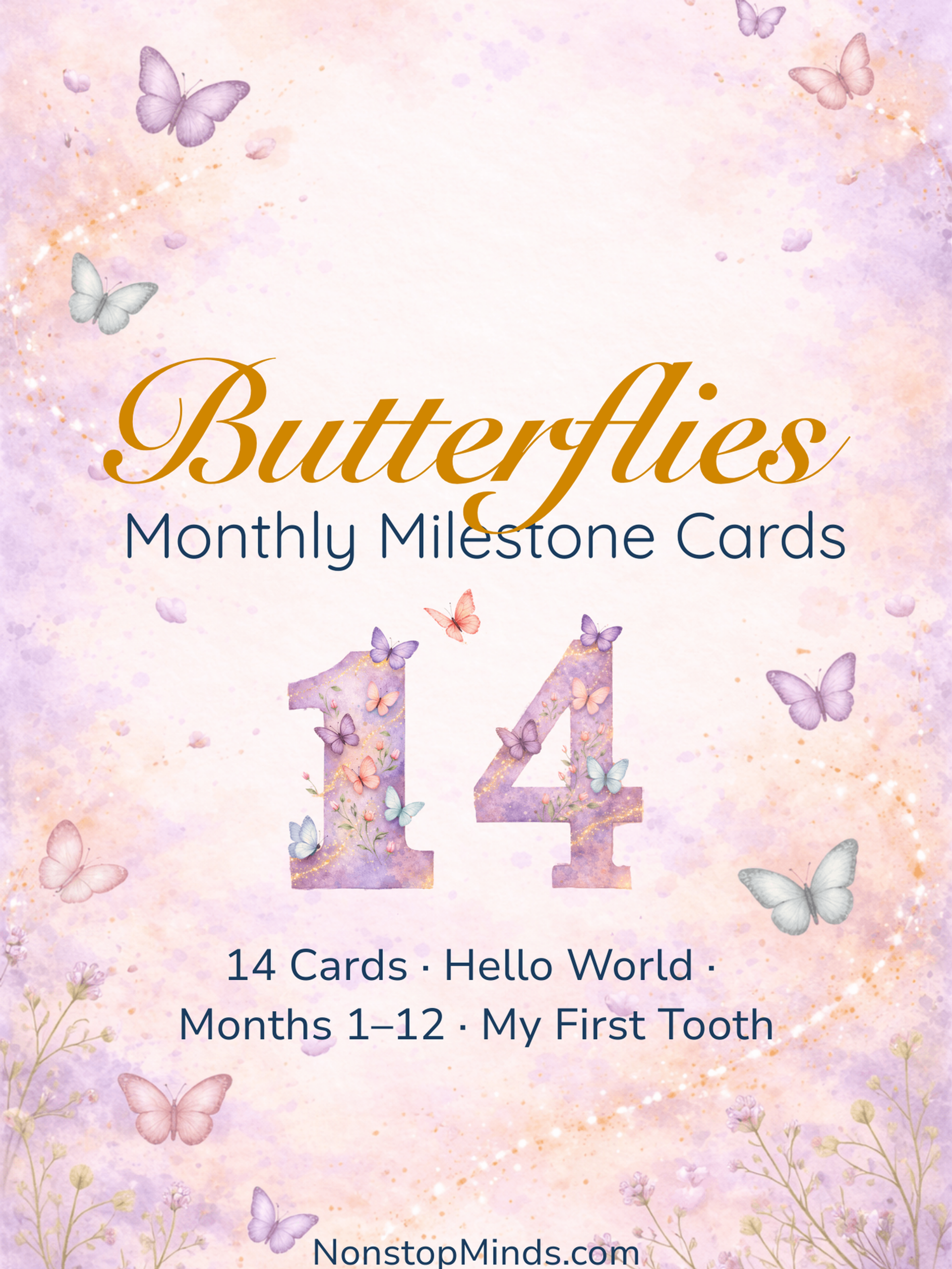
Butterflies Monthly Milestone Cards
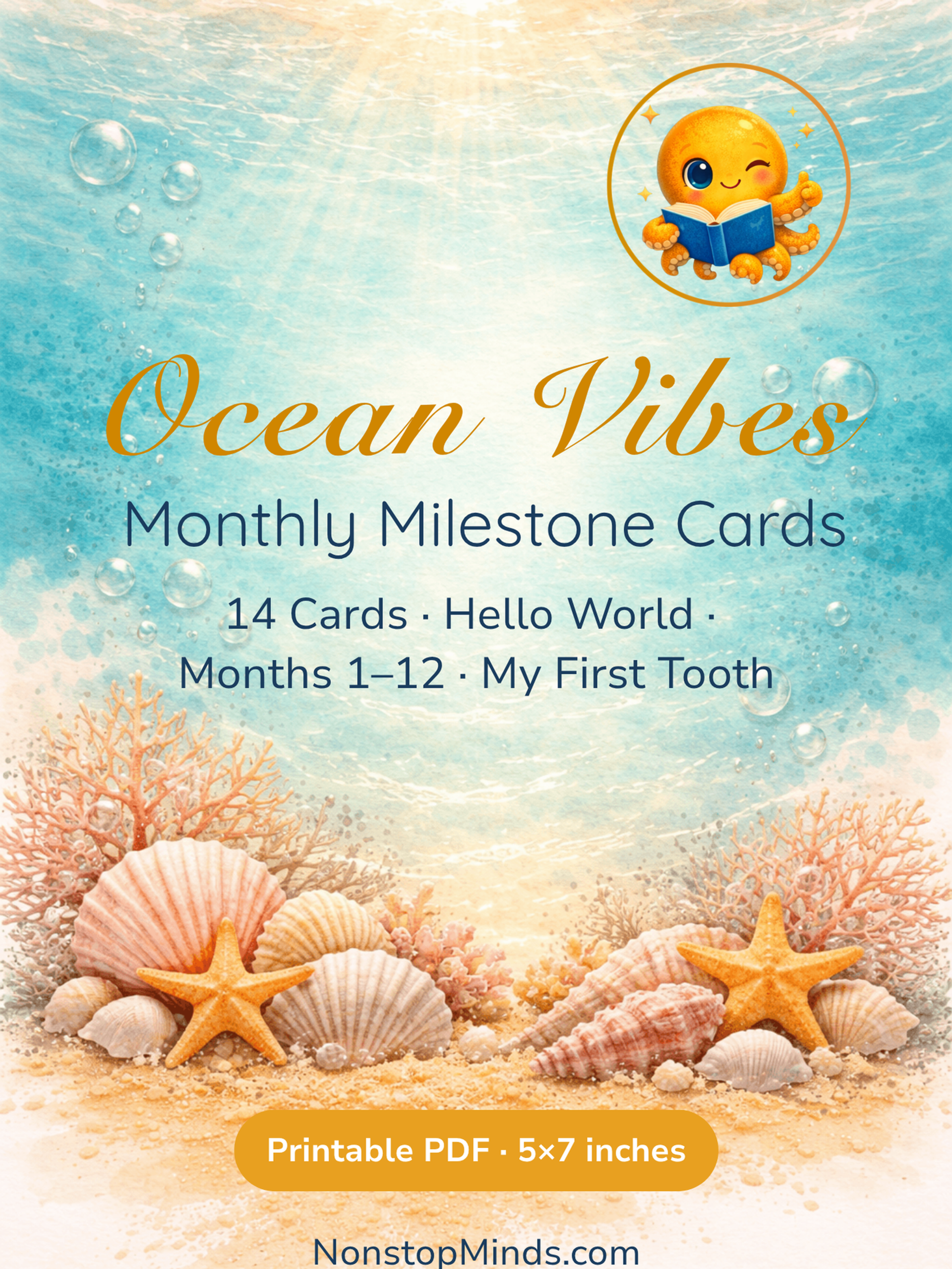
Ocean Vibes Monthly Milestone Cards
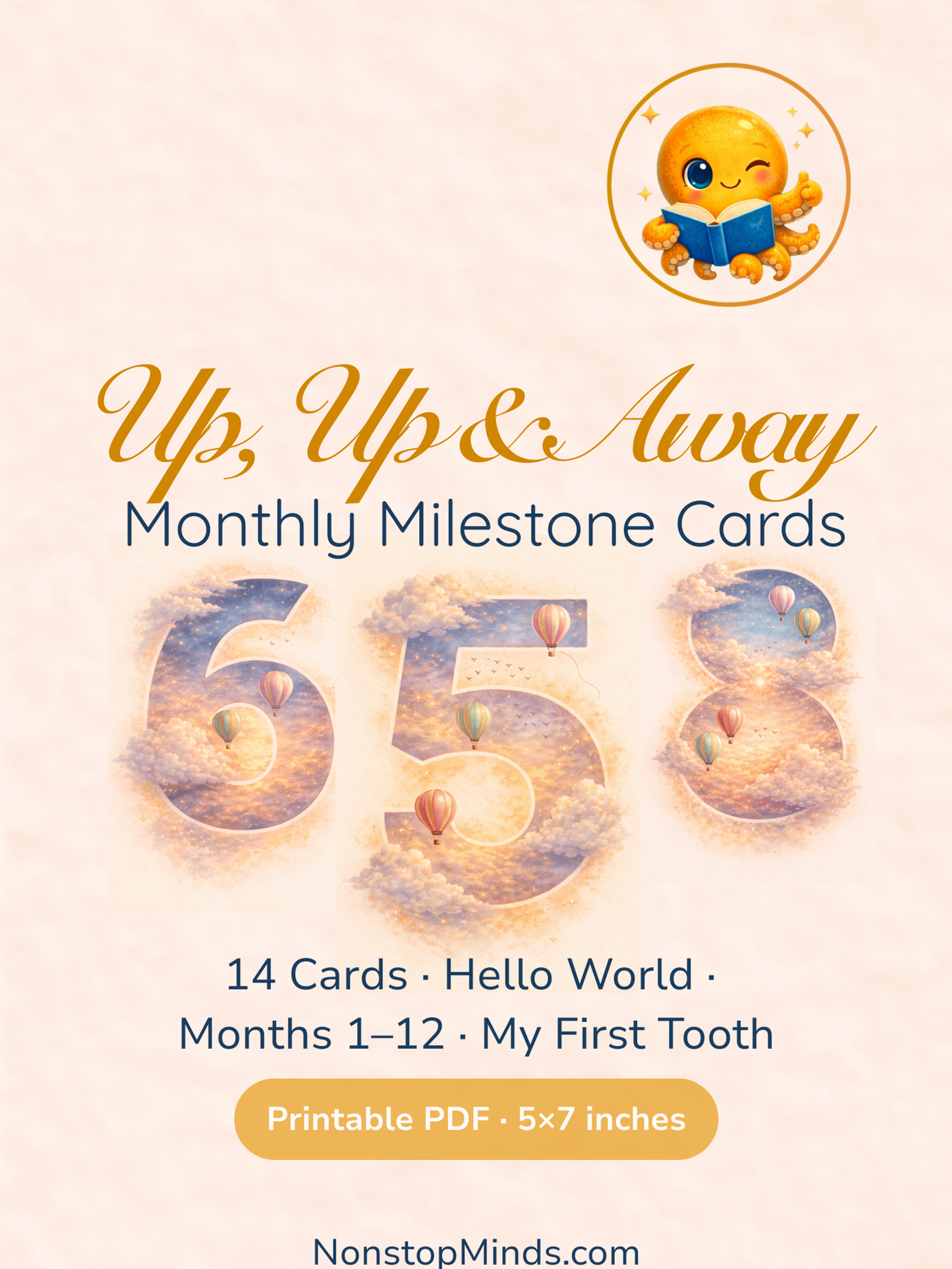
Up, Up & Away Monthly Milestone Cards
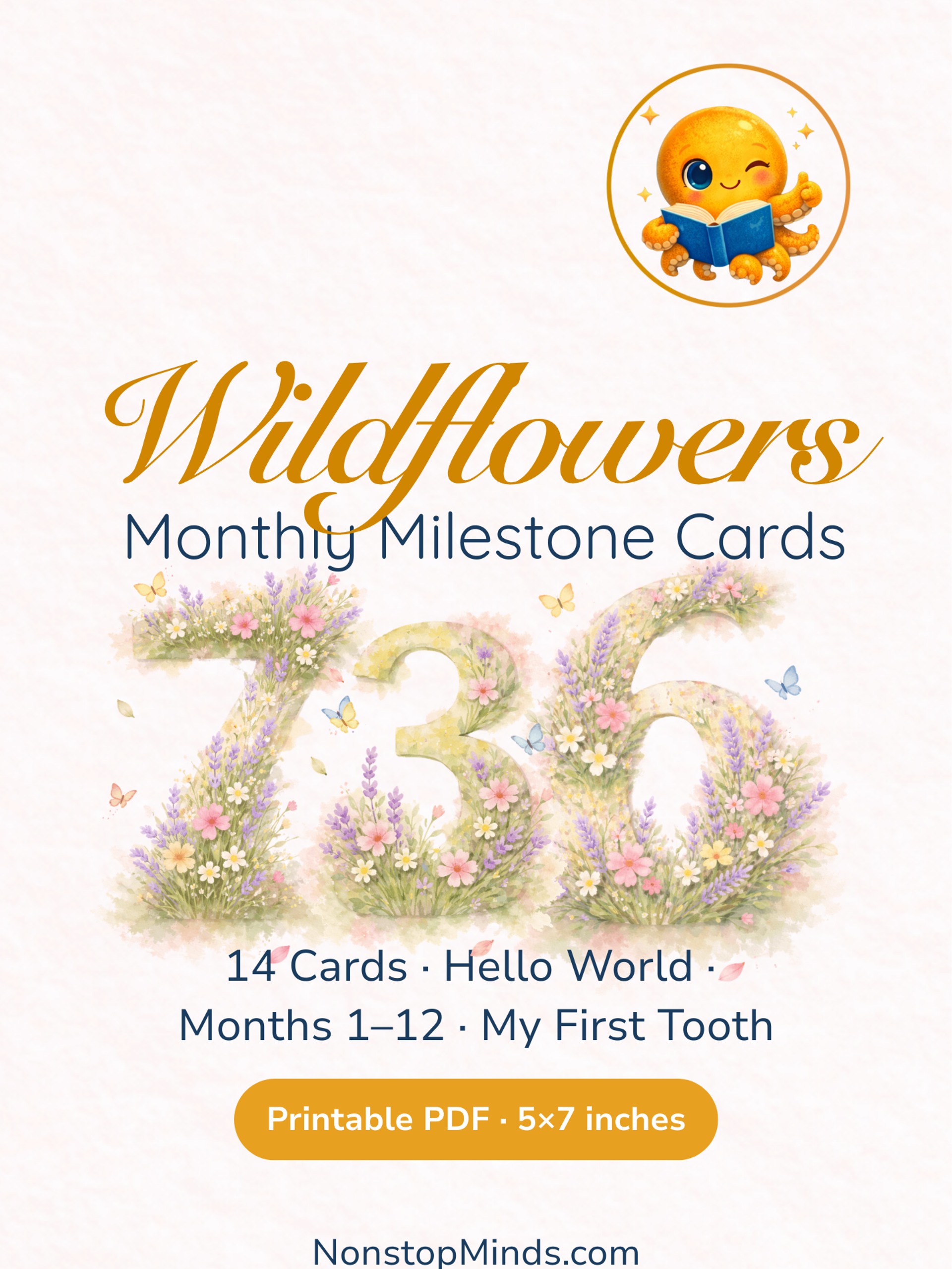
Wildflowers Monthly Milestone Cards
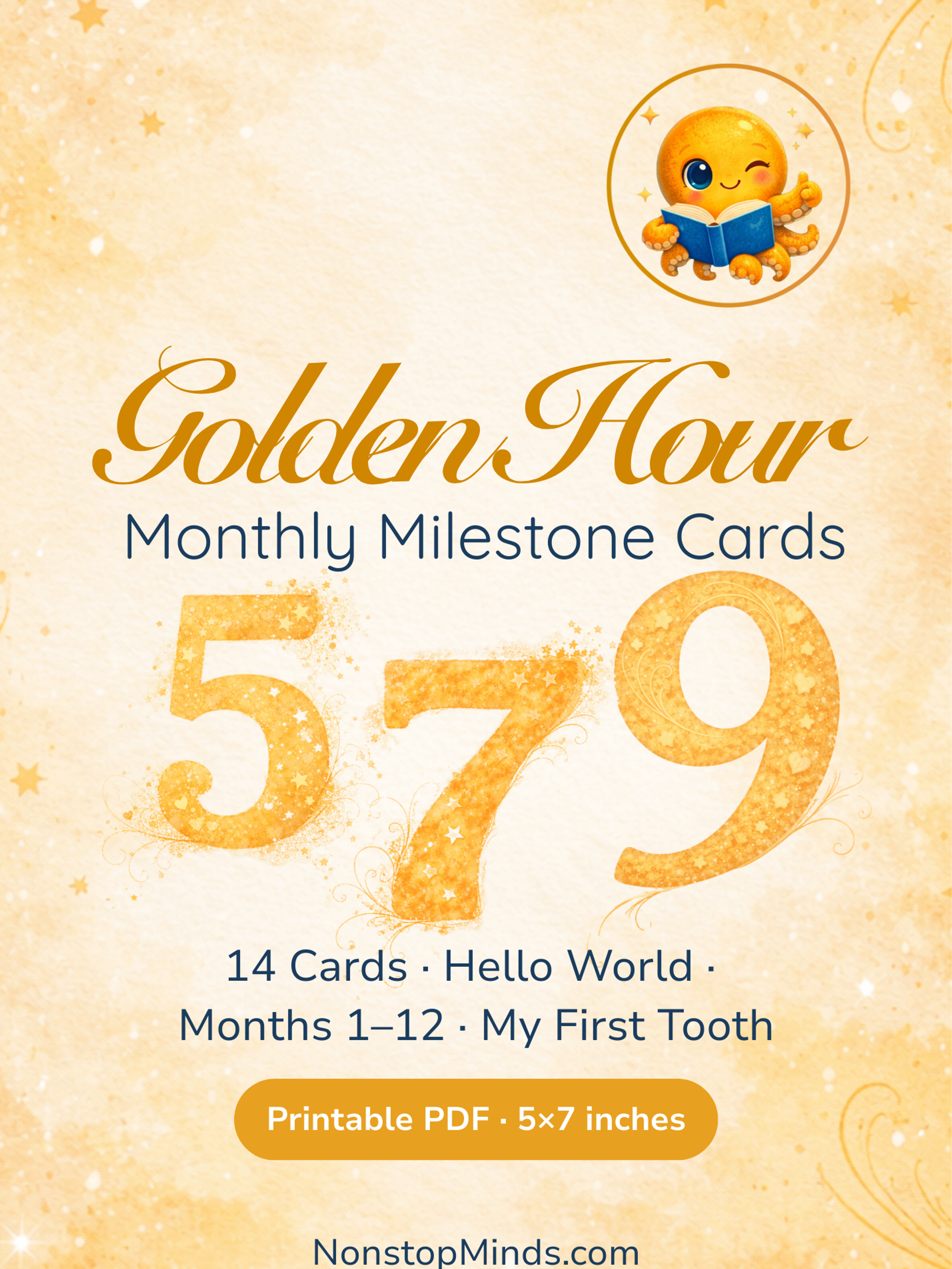
Golden Hour Monthly Milestone Cards
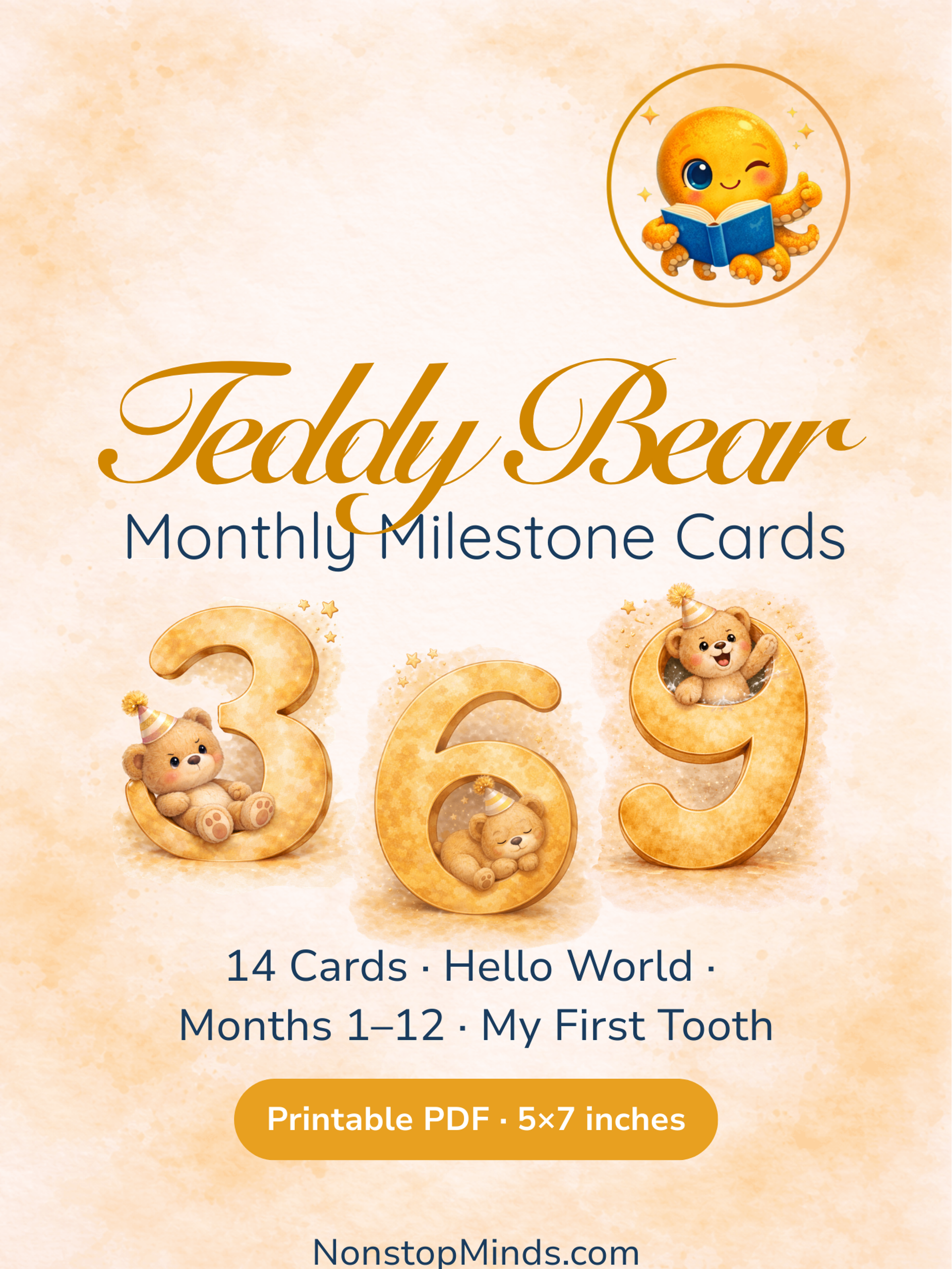
Teddy Bear Monthly Milestone Cards
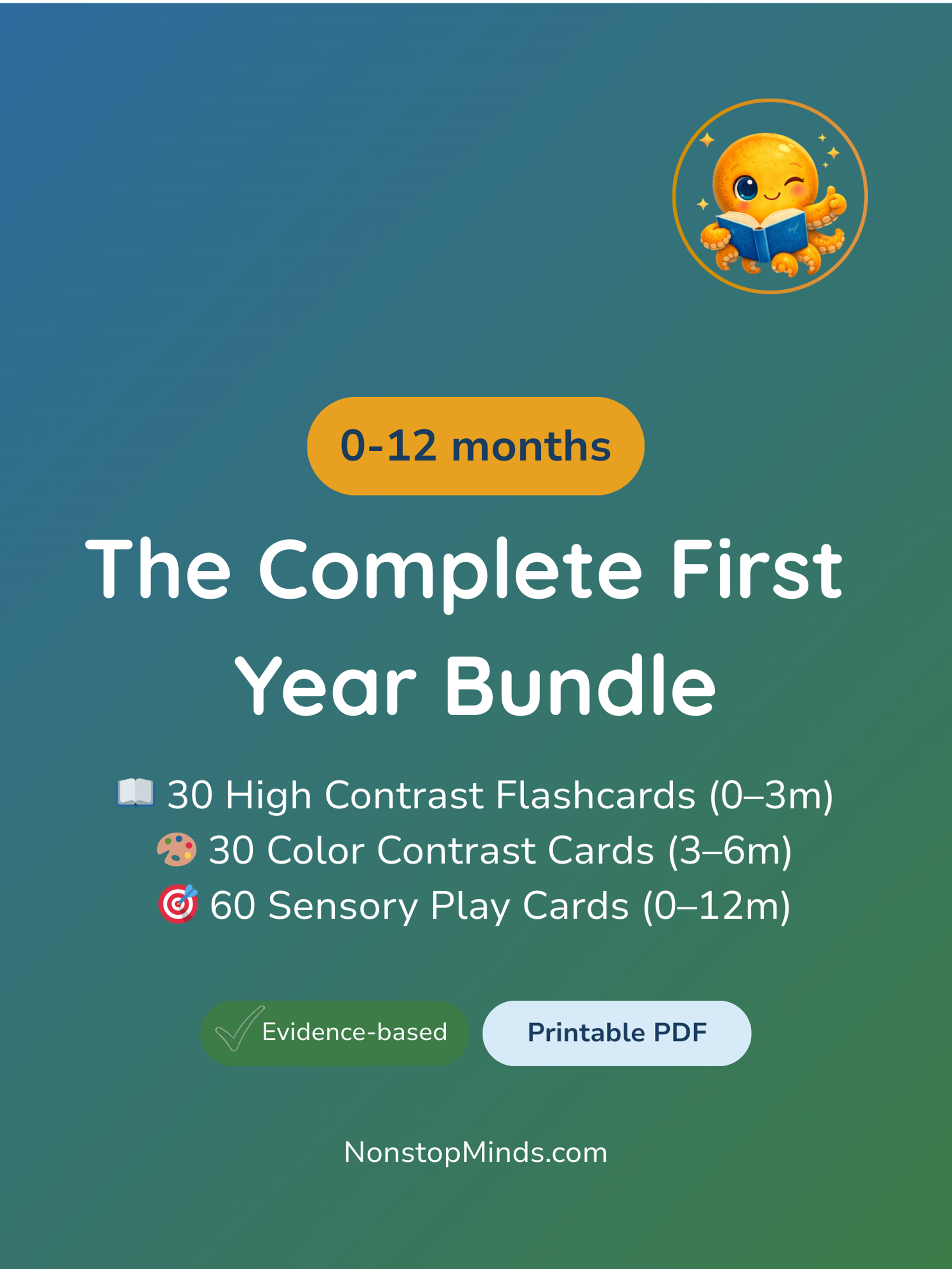
The Complete First Year Bundle
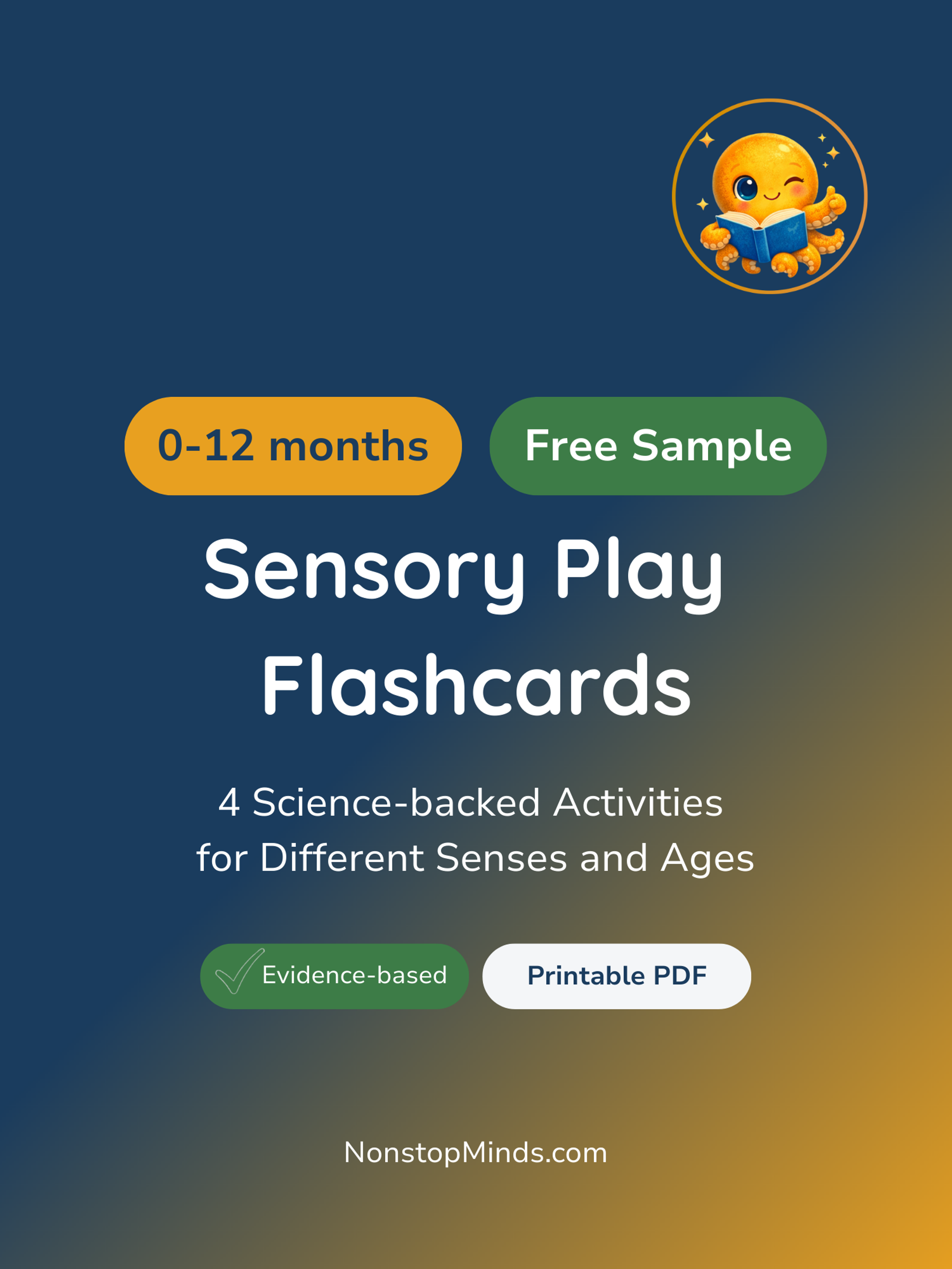
Sensory Play Flashcards: 0–12 Months Free Sample
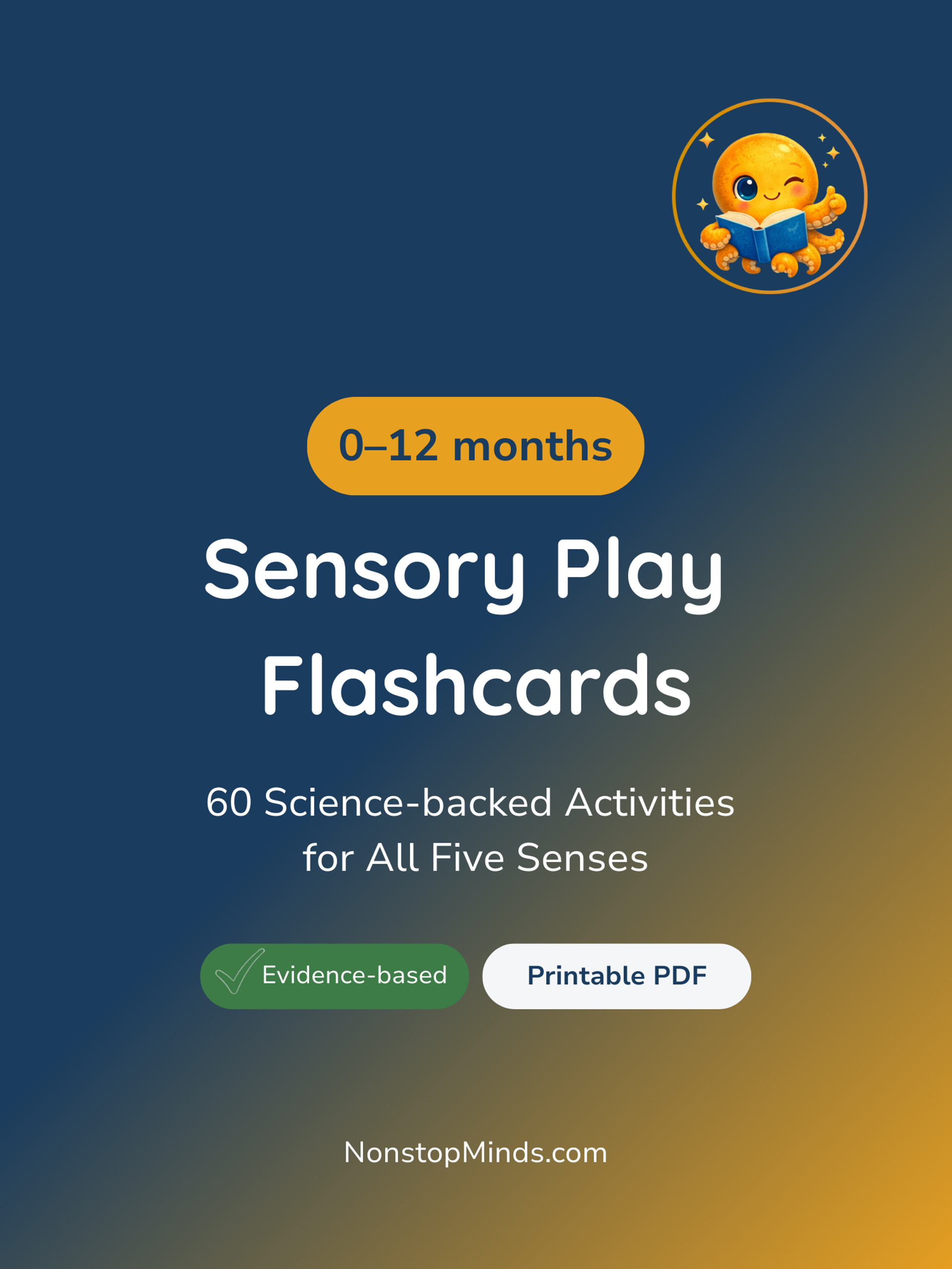
Sensory Play Cards
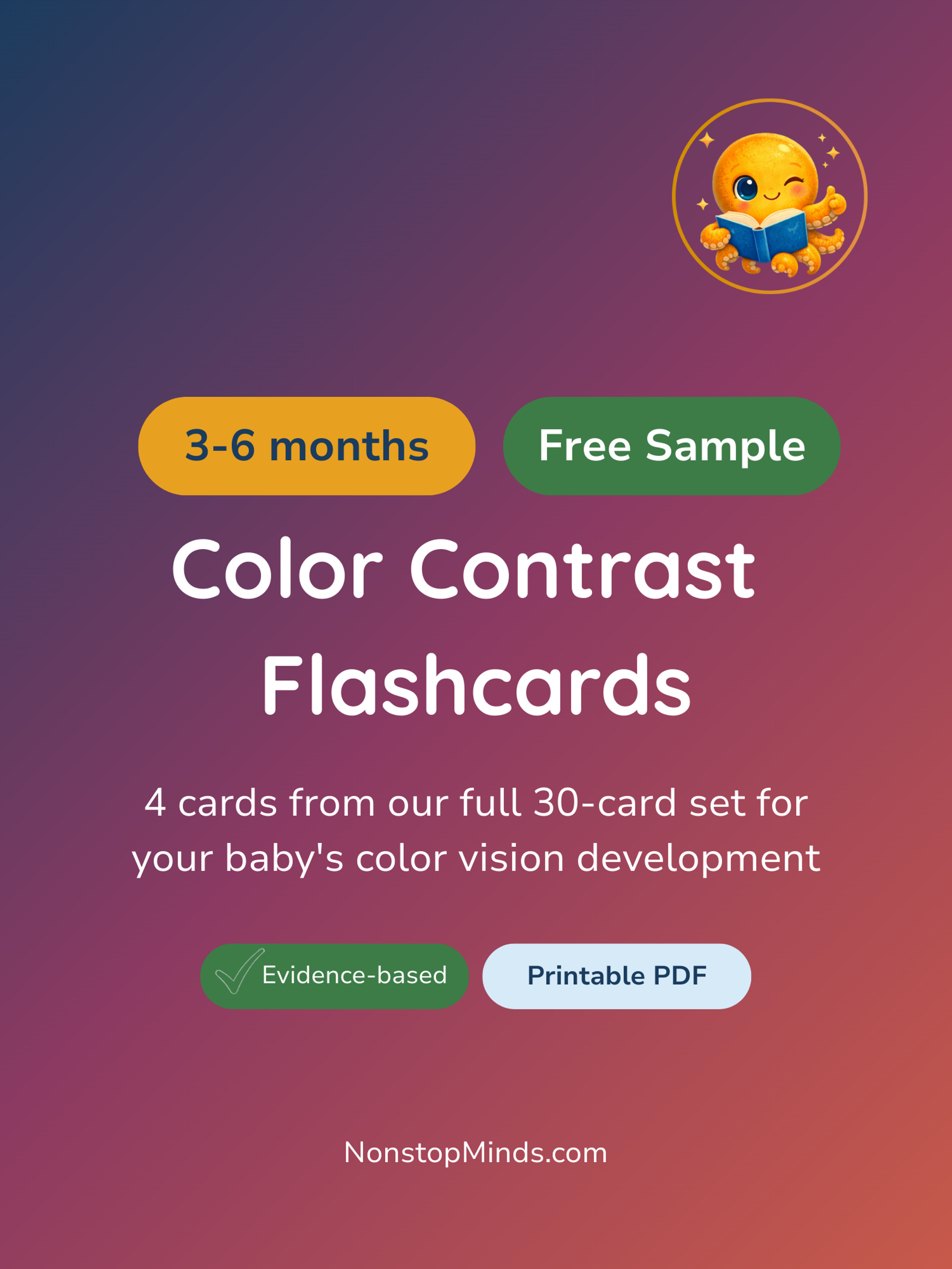
Color Contrast Flashcards: 3-6 months Free Sample
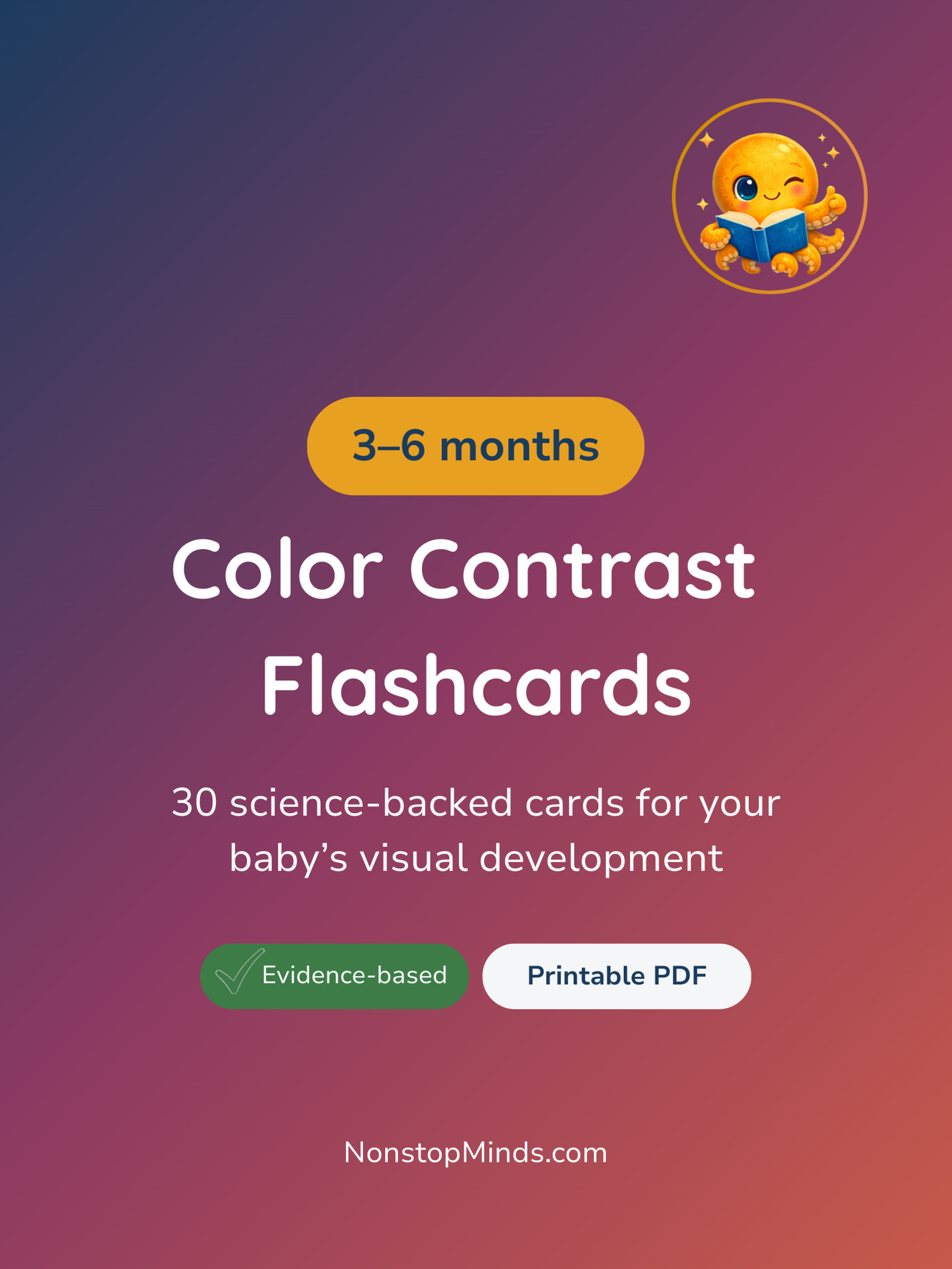
Color Contrast Cards
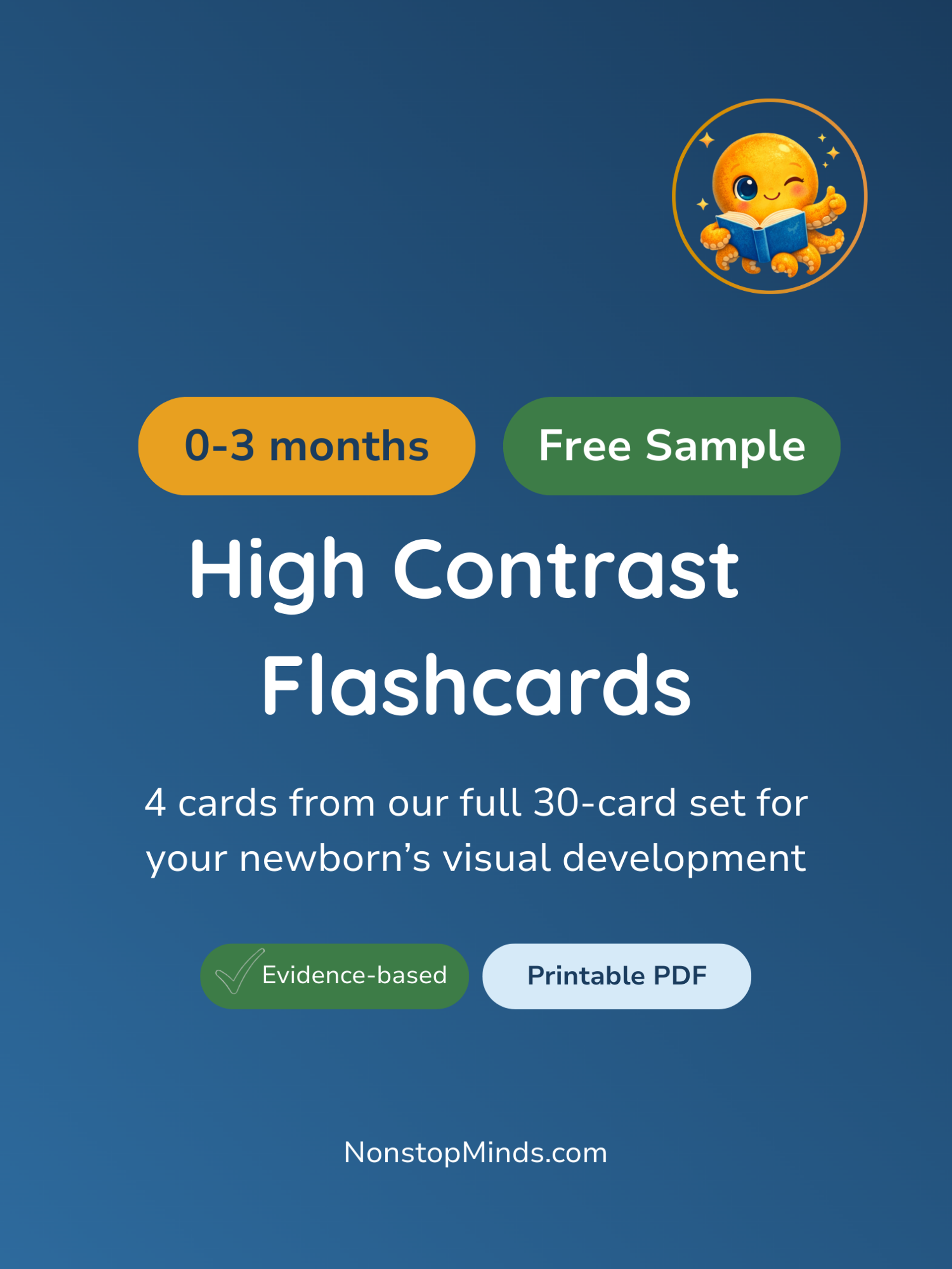
High Contrast Flashcards: 0-3 months Free Sample
High Contrast Cards
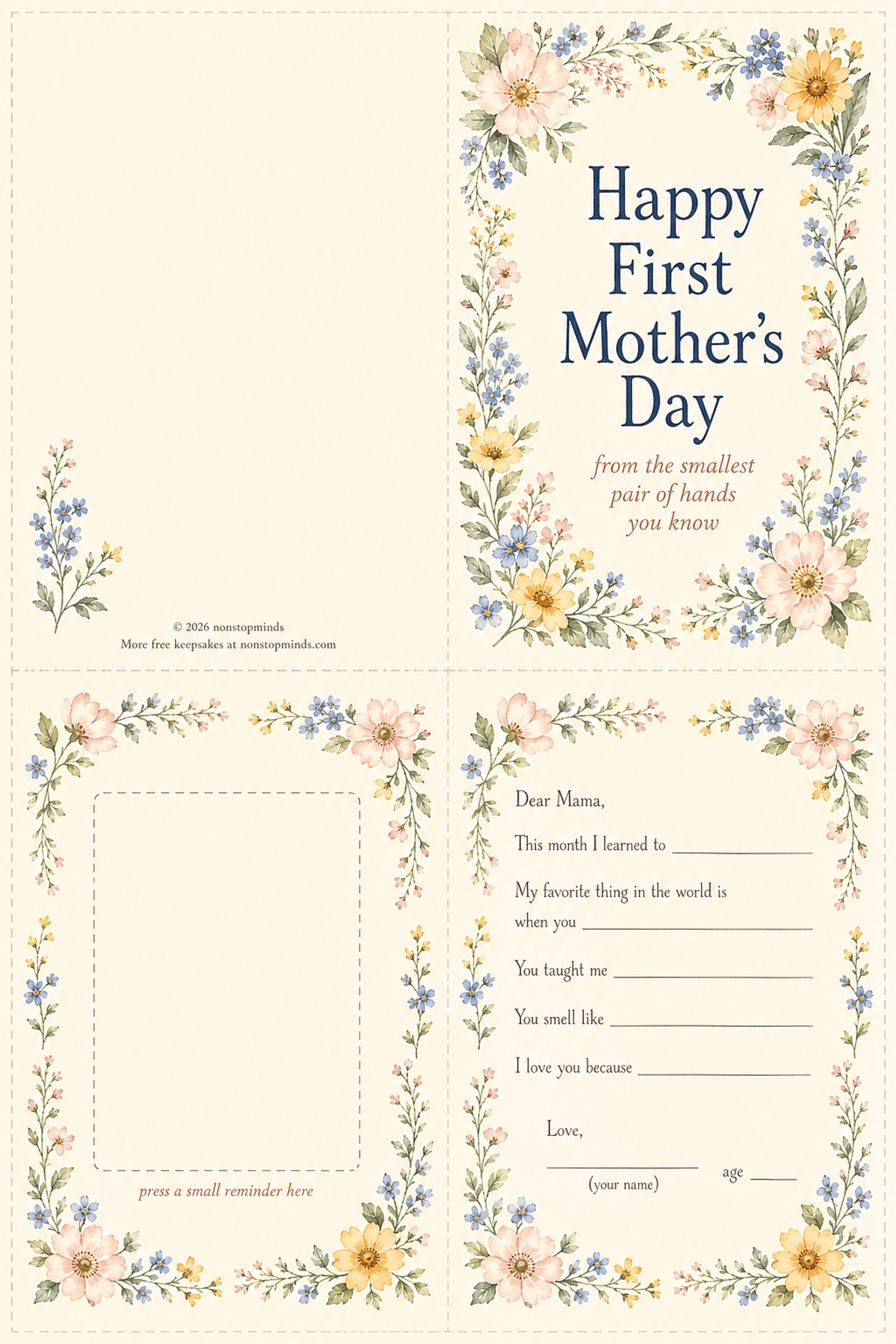
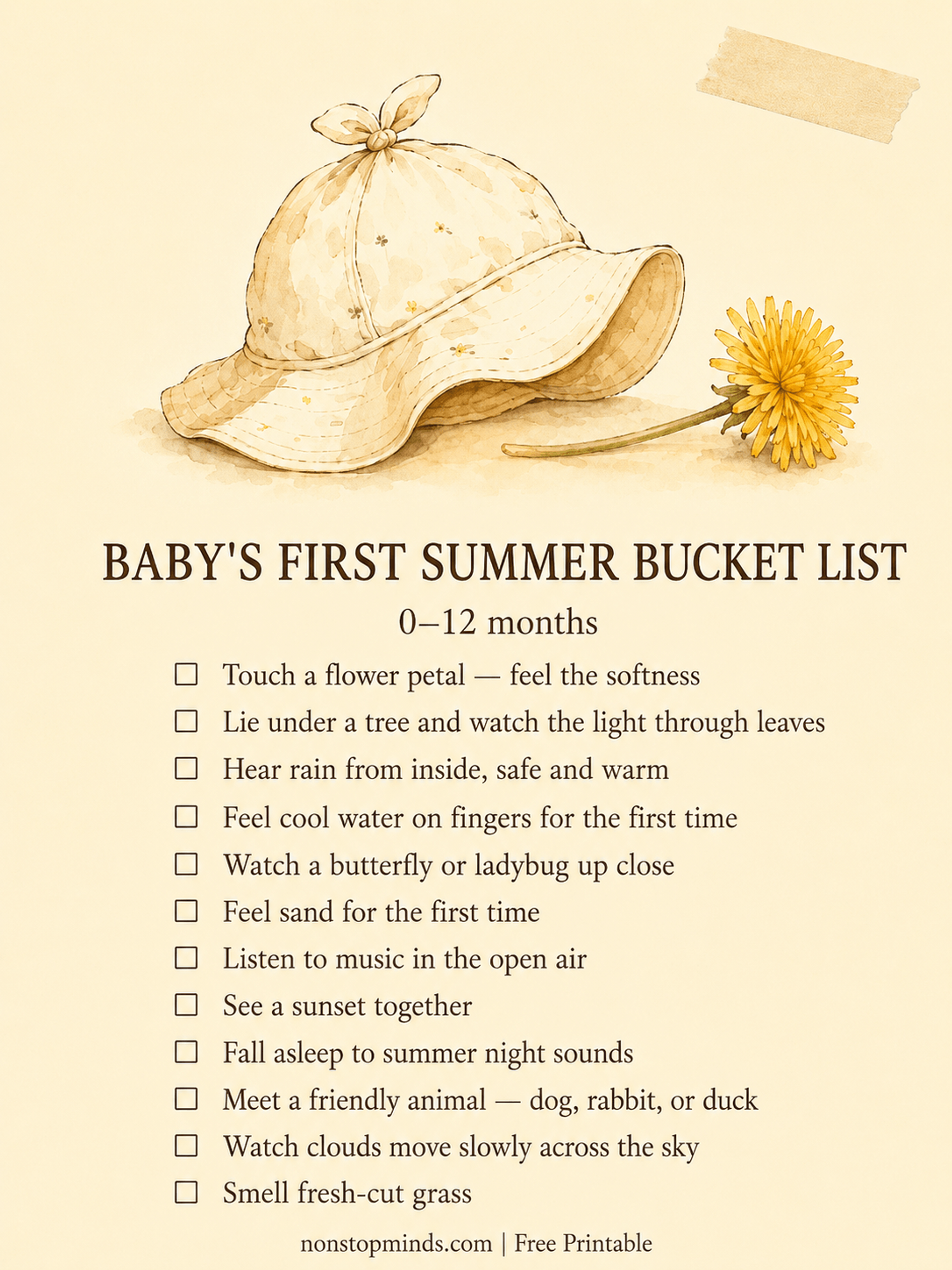
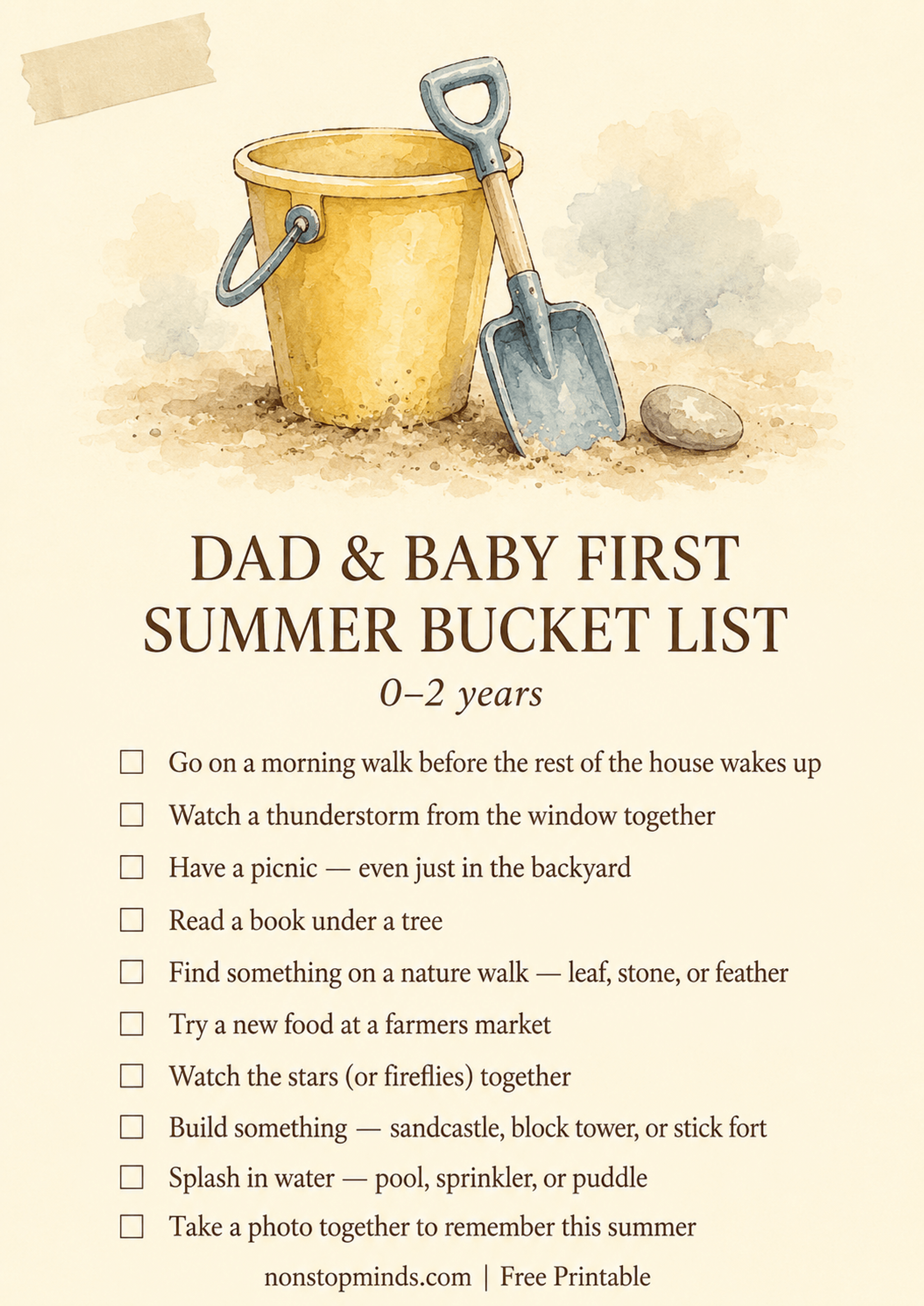
Free printables.
No email gate. Print, fold, use.
Reefs in progress.
Online activities
Crosswords, color-alongs, gentle games.
Books we love
A reading list with the why behind each title.