3–6 years.
“Around age four, theory of mind clicks in. They start to grasp that other minds are different from theirs. Almost everything social — empathy, fairness, lying — follows from that one shift.”
- 9articles
- 19products
- 22free printables
The research swims past.
Reach in and pull out a question. The full archive is below.
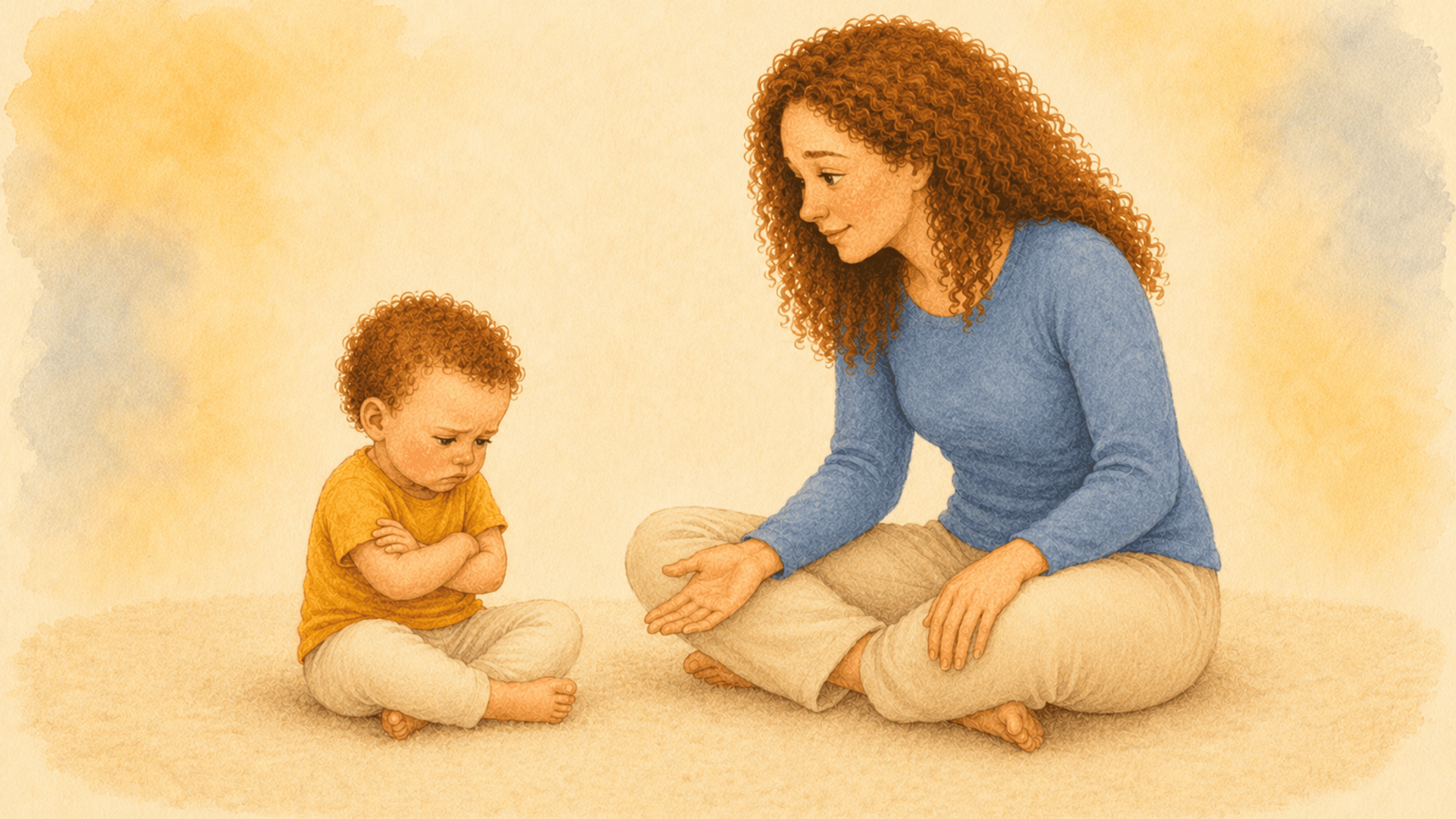
Gentle Parenting: What the Research Says
Everyone cites the same study as proof gentle parenting works — or doesn't. The problem: that study never looked at a single child. Here's what the research shows, which behaviors have 40 years of evidence behind them, and the one condition that decides whether any of it works.
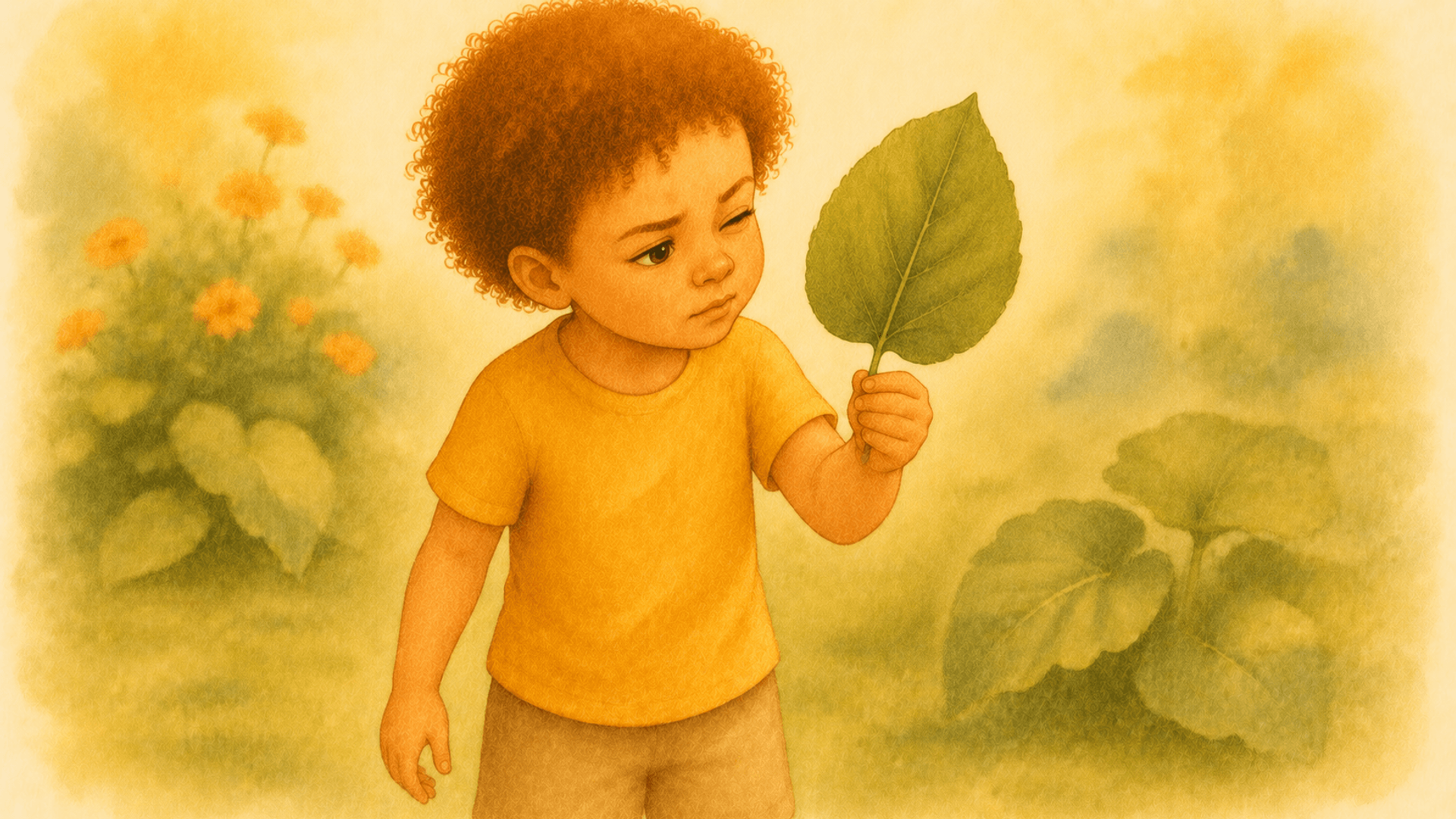
Summer Activities for Preschoolers: What Changes at 3, 4, and 5
Two playgrounds, same child, same afternoon — one paved, one grass-and-sticks. Researchers who recorded what preschoolers said in each setting found something most activity lists never mention: the surface changes the sentence. This guide breaks down summer activities for preschoolers by age, because what a 3-year-old needs from outdoor summer time is not what a 4-year-old can do, and a 5-year-old heading to kindergarten needs something different again.
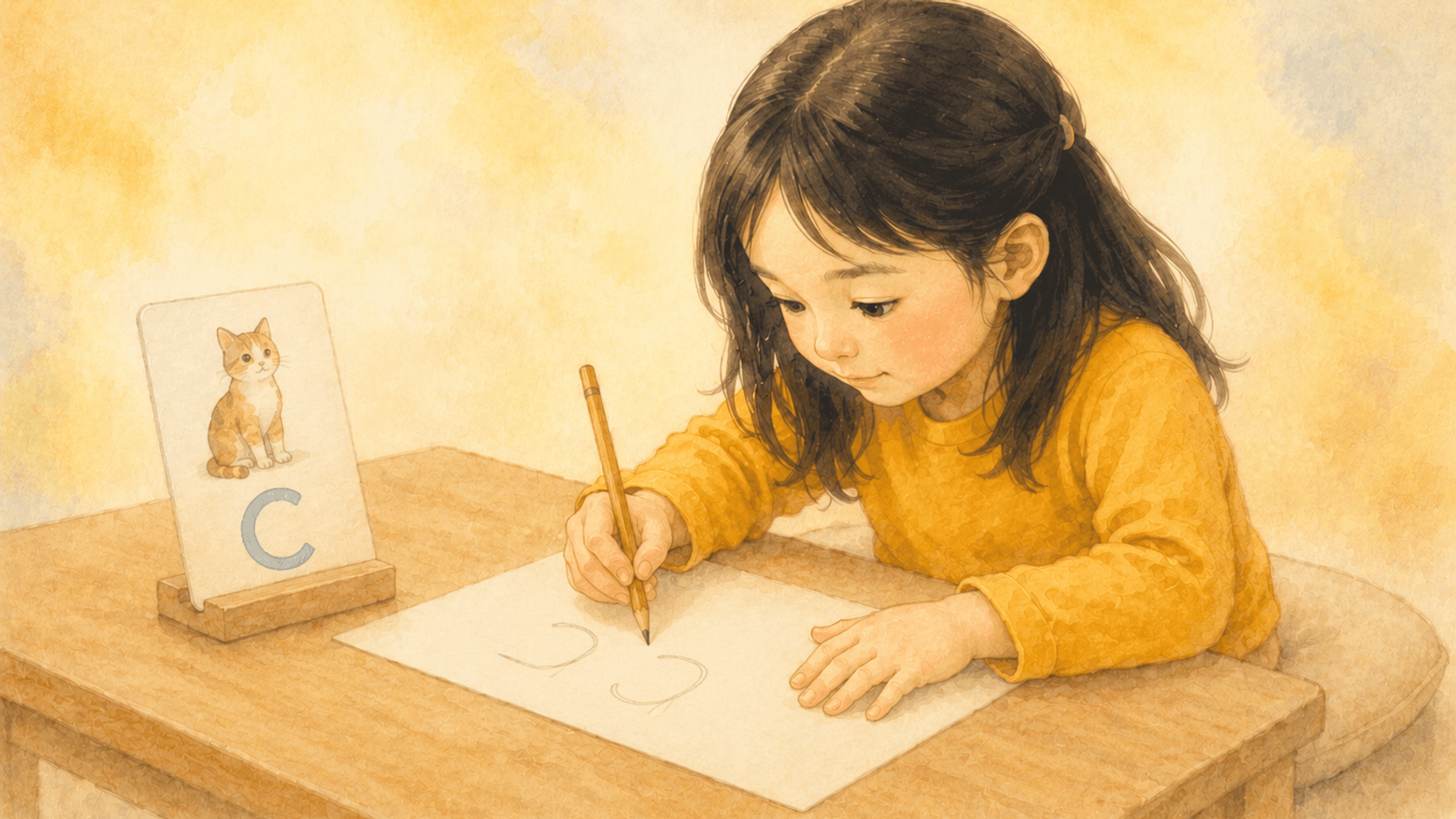
Activities for a 5 Year Old: Kindergarten Prep Starts in the Kitchen
Most kindergarten prep guides focus on letters, numbers, and phonics apps. But a 2019 study that followed nearly ten thousand American kindergartners found something different at the top of the list — and it was already in your kitchen. This piece covers the research on chores, handwriting, spatial play, storytelling, and rhythm: what each one does for the brain, and why the activities for a 5 year old that matter most rarely look like school.
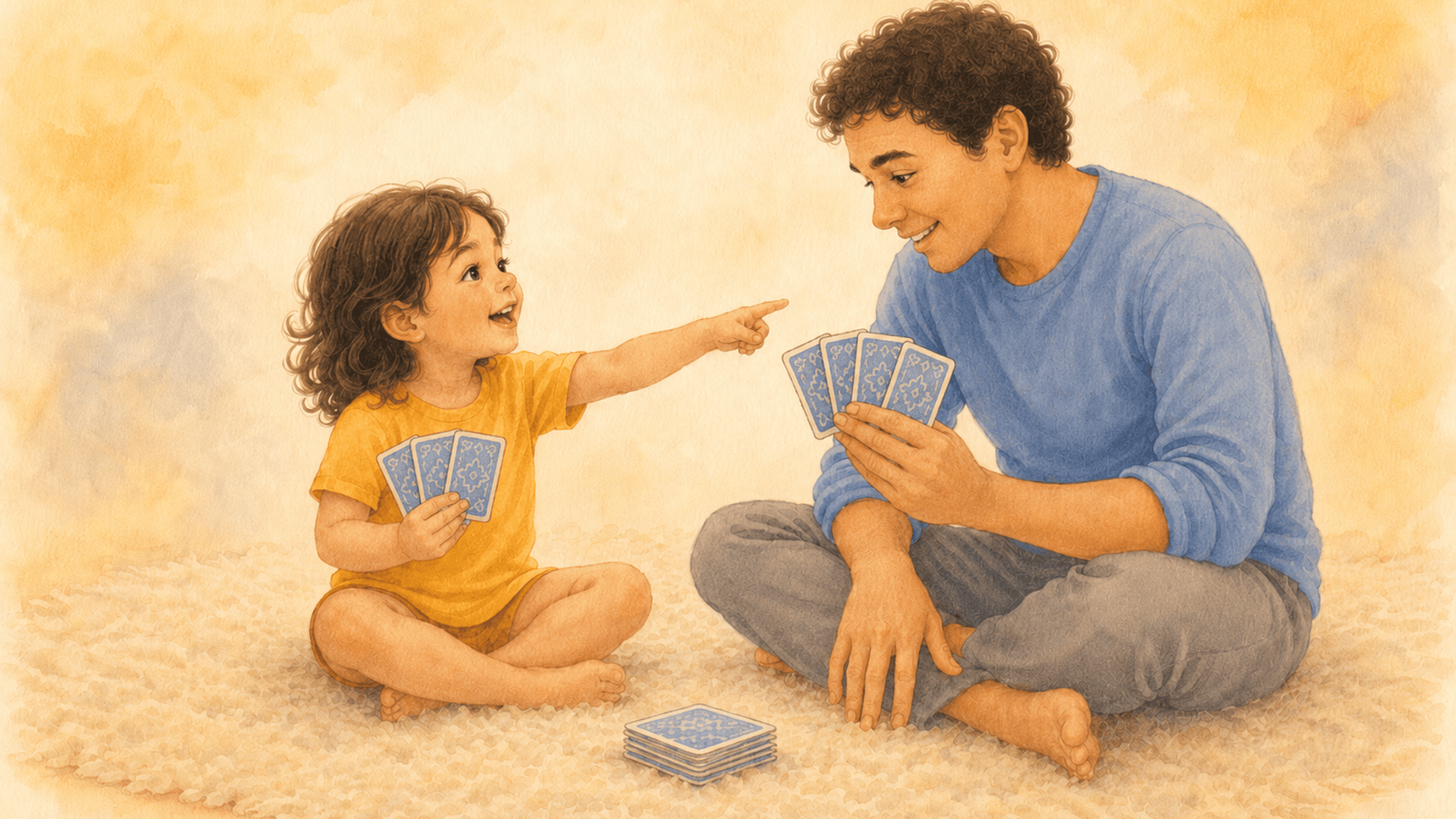
Activities for a 4 Year Old at Home: What the Brain Is Practicing
Most activity lists for four-year-olds tell you what to do. This one explains what's actually happening in the brain while your child rhymes, draws, and plays pretend — and why those three things predict reading outcomes, school readiness, and social development more than any flashcard ever will. Evidence-based, with zero worksheets required.
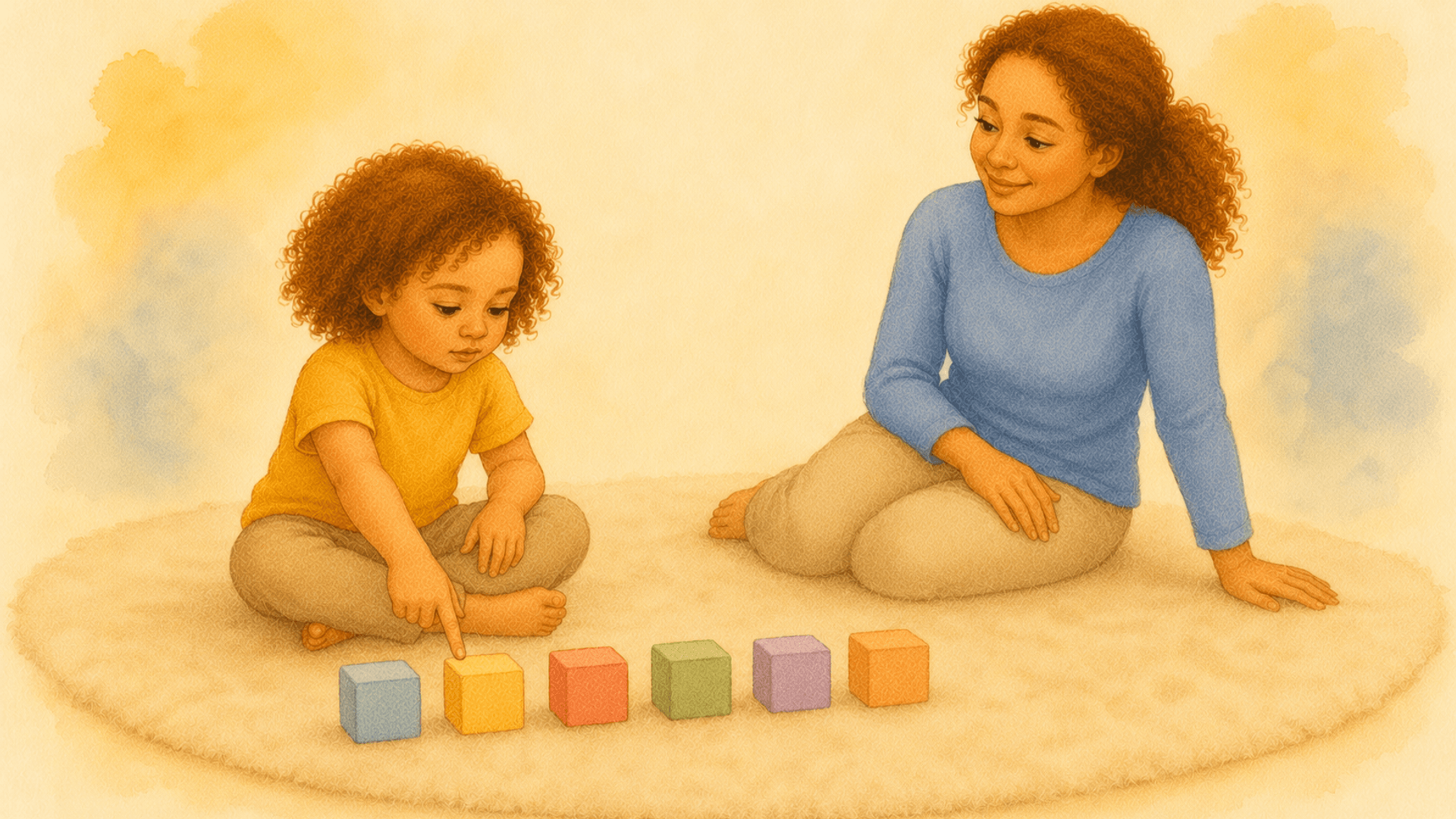
Activities for a 3 Year Old: What Play Builds
Most activity lists for three-year-olds are exactly that: lists. This one starts from a different question — not which activity, but whether there's any pretending in it. Turns out that single ingredient changes what the activity does for your child's brain. Here's what the research on pretend play, outdoor time, and reading actually says, and what it looks like on a regular Tuesday.
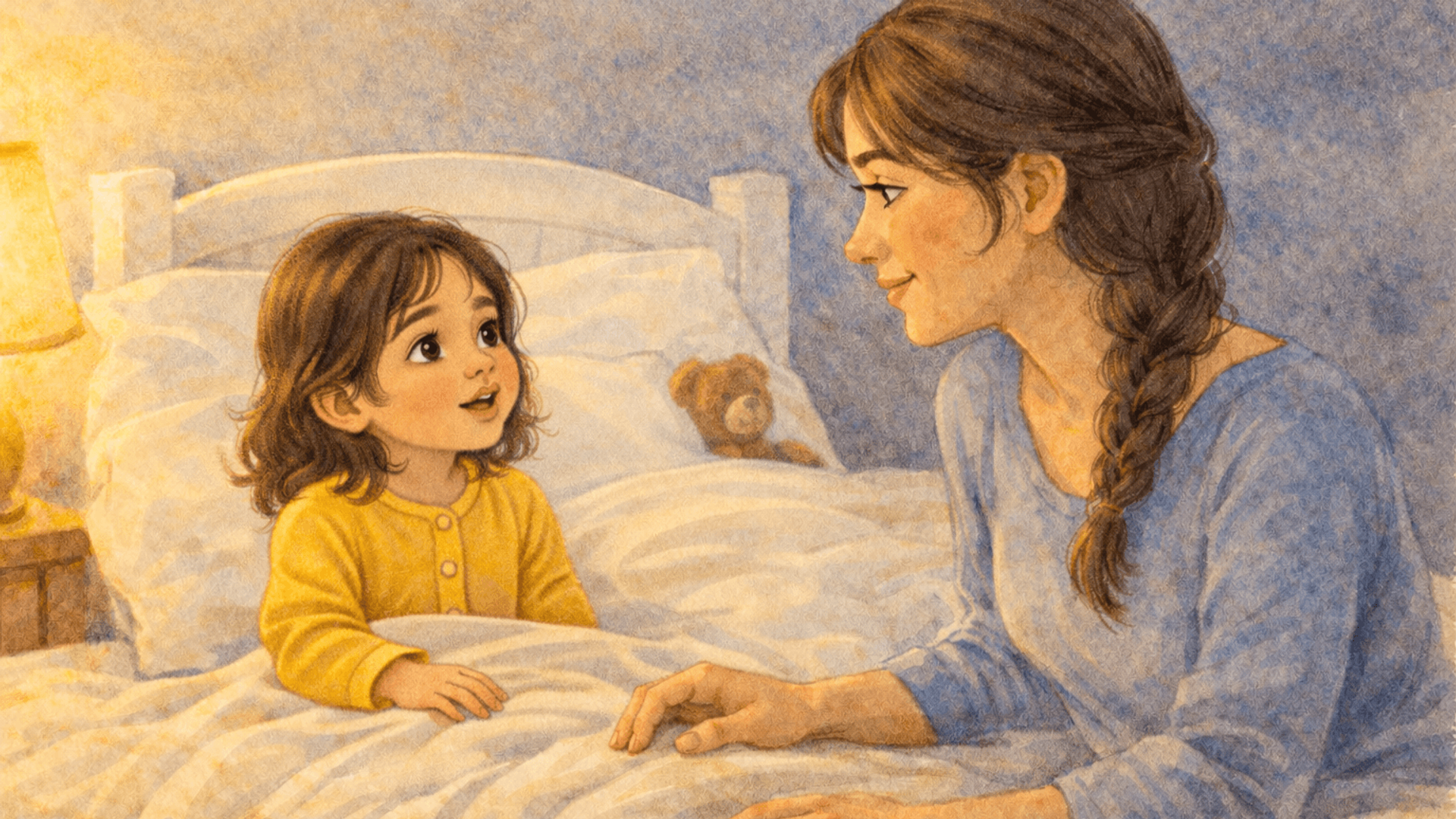
Why Your Preschooler Needs a Bedtime Conversation
A three-minute bedtime conversation builds your preschooler's memory, emotional intelligence, and sense of self. Research shows that talking about the day — best, hard, funny — strengthens the same brain systems that process identity.
Our collection for this age.
Made for where your child is right now.
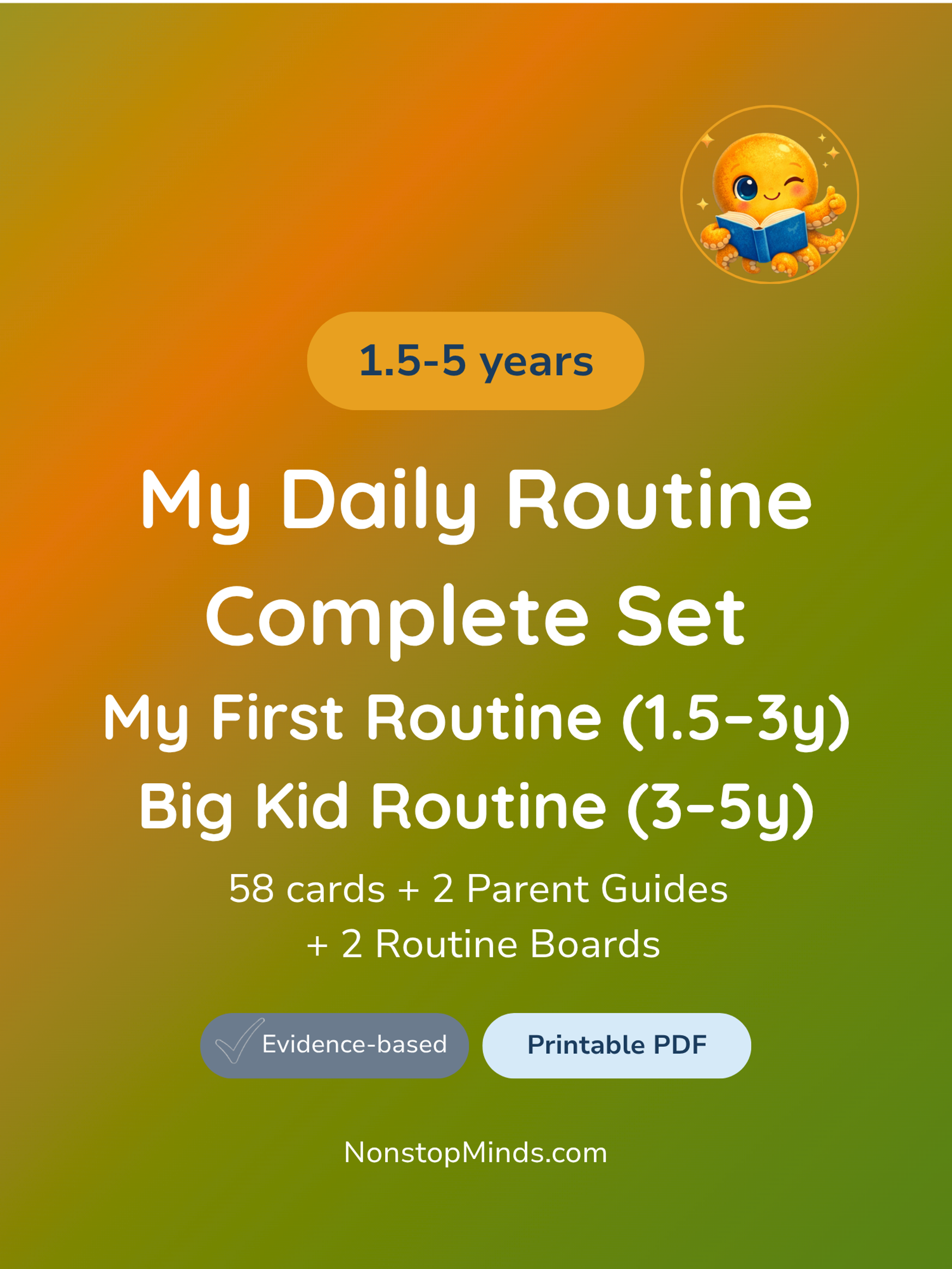
My Daily Routine — Complete Set
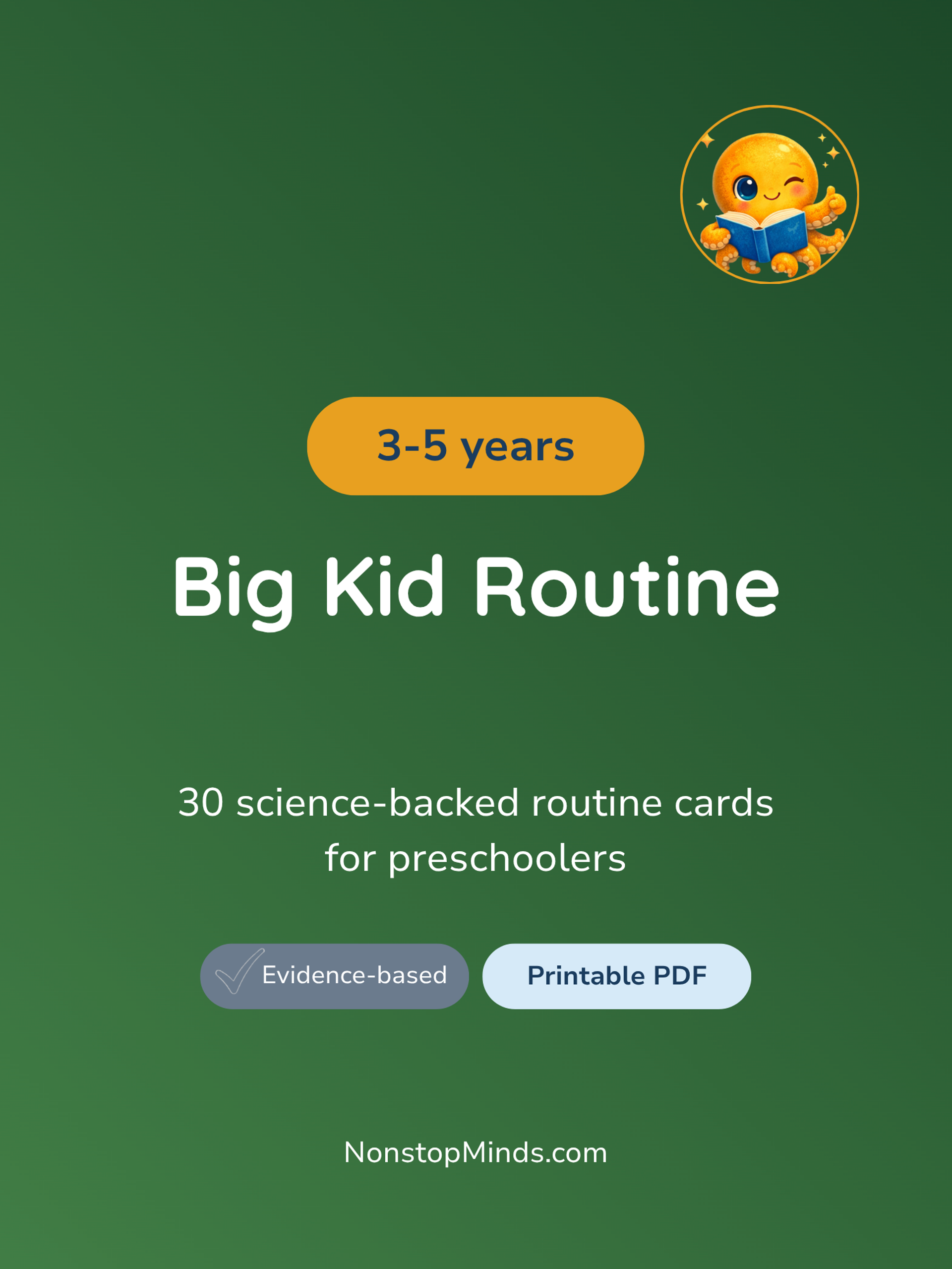
Daily Routine Cards for Preschoolers
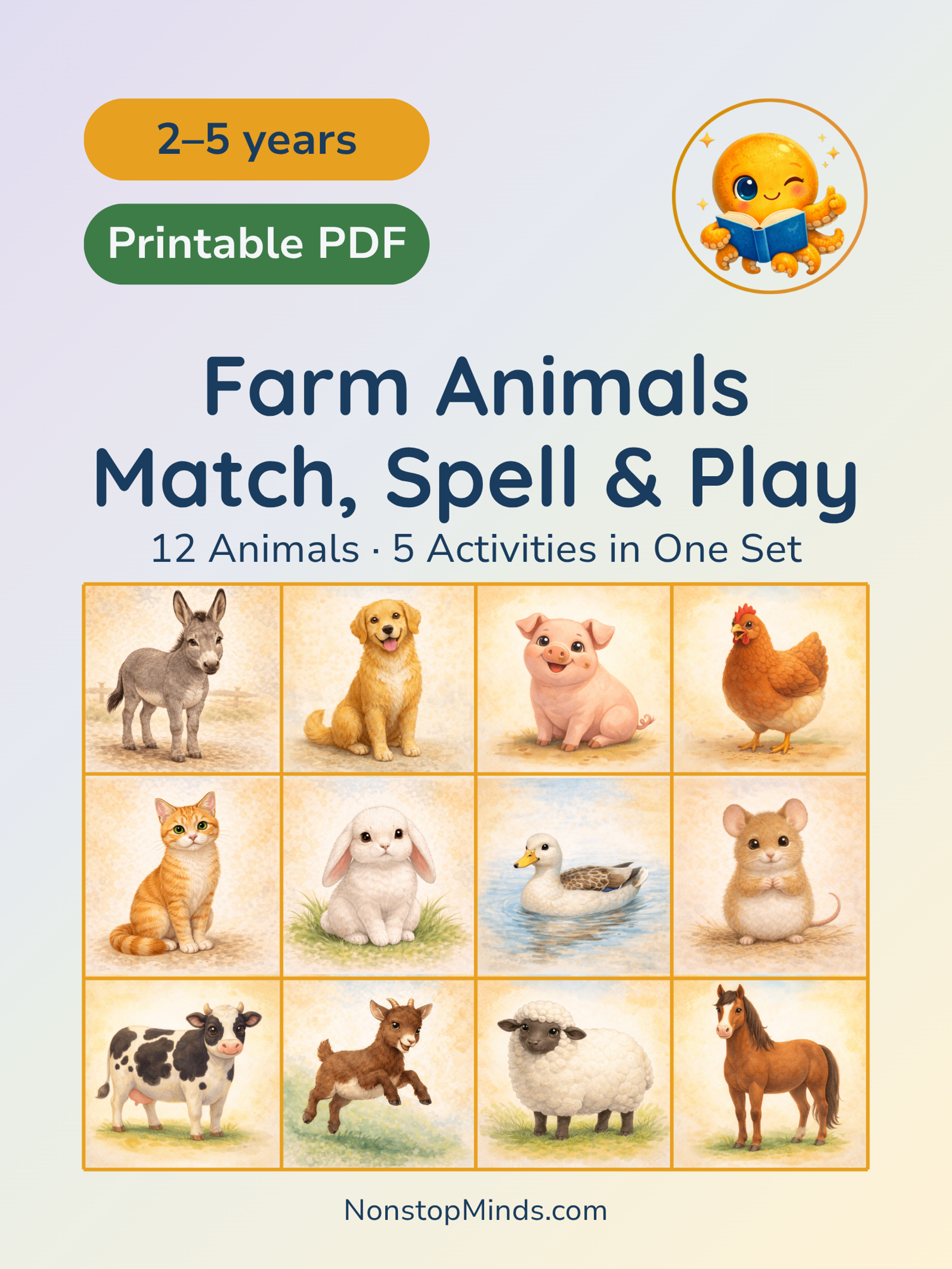
Farm Animals: Match, Spell & Play
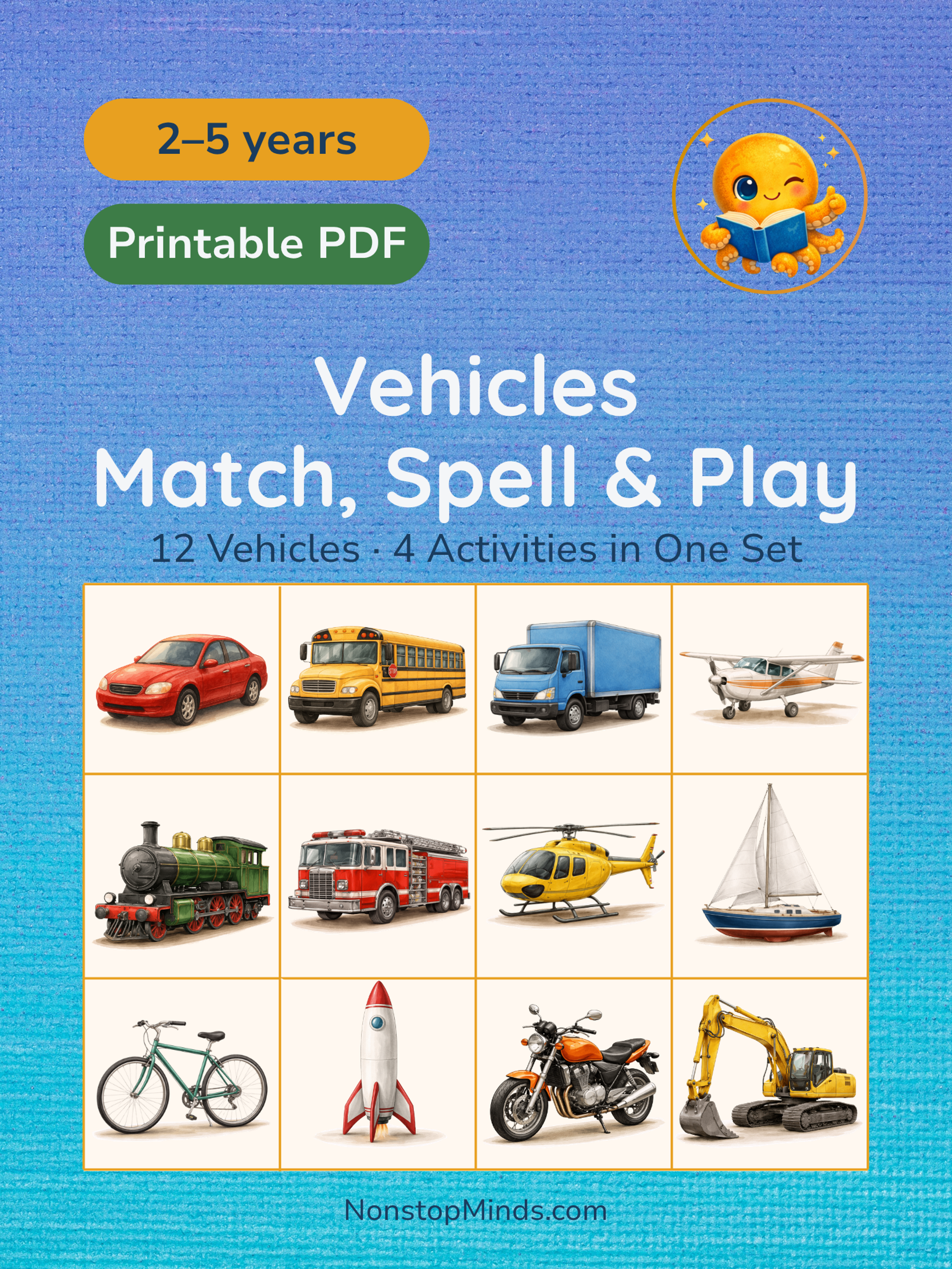
Vehicles: Match, Spell & Play
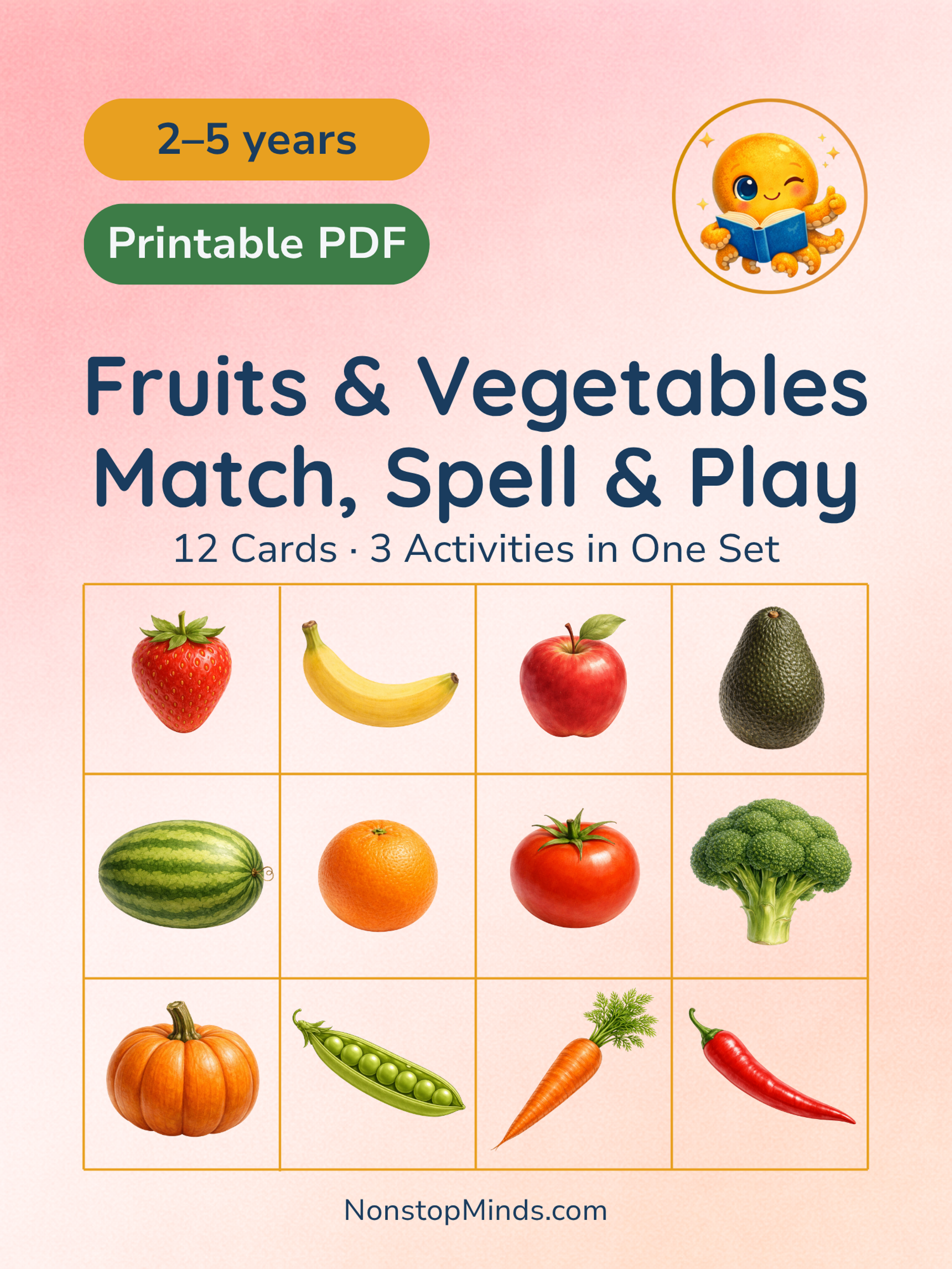
Fruits & Vegetables: Match, Spell & Play
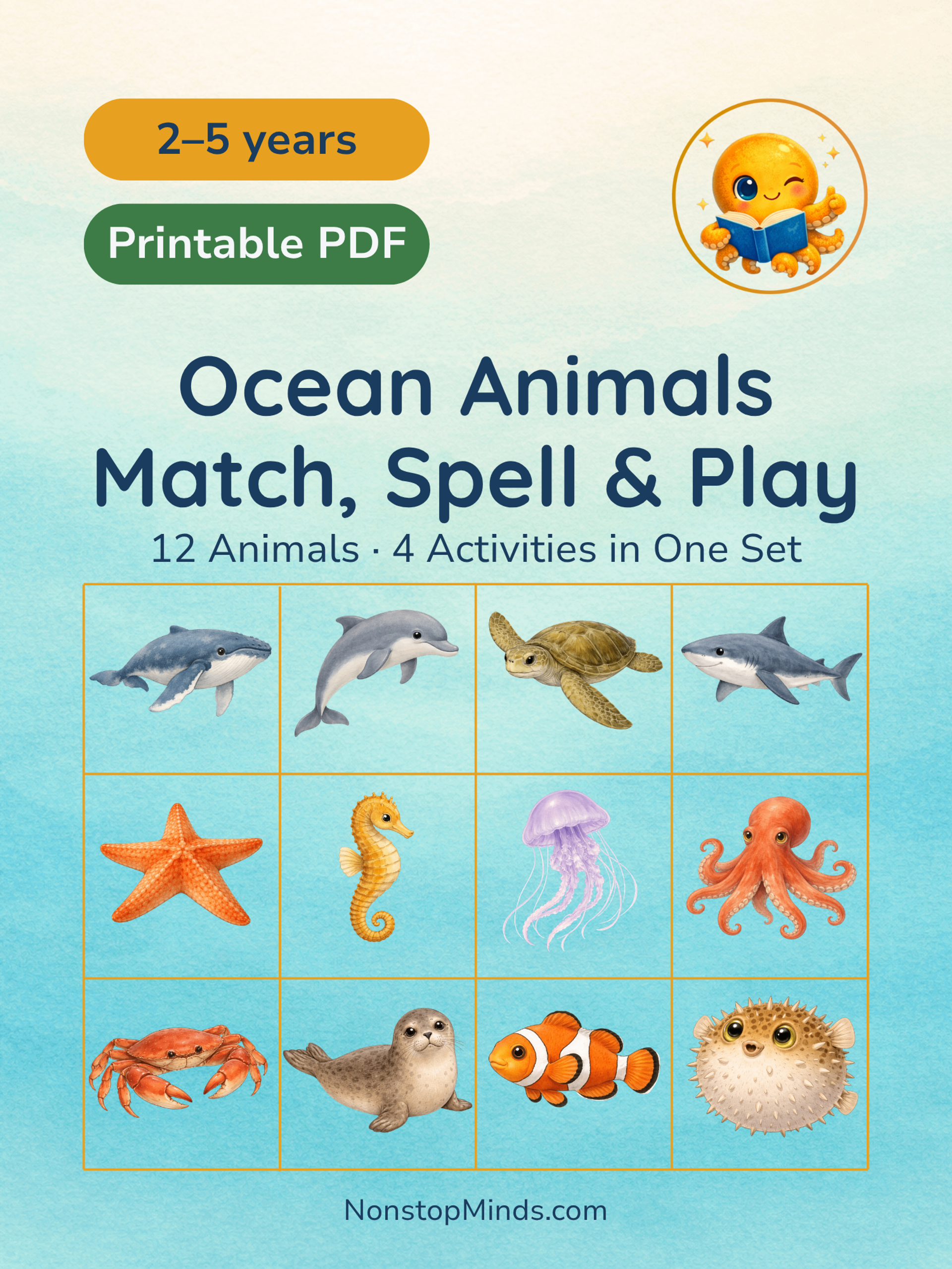
Ocean Animals: Match, Spell & Play
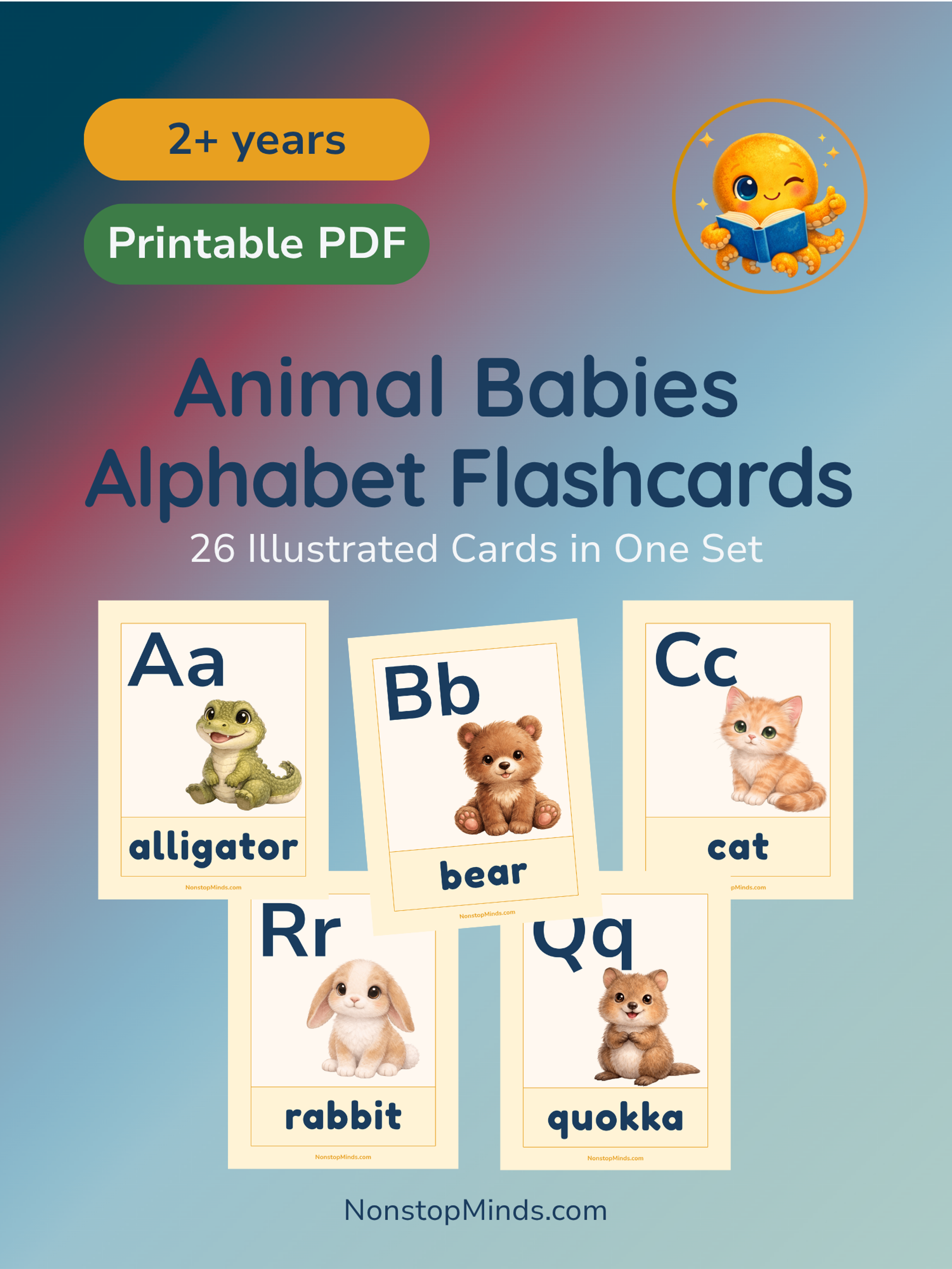
Animal Babies Alphabet Flashcards
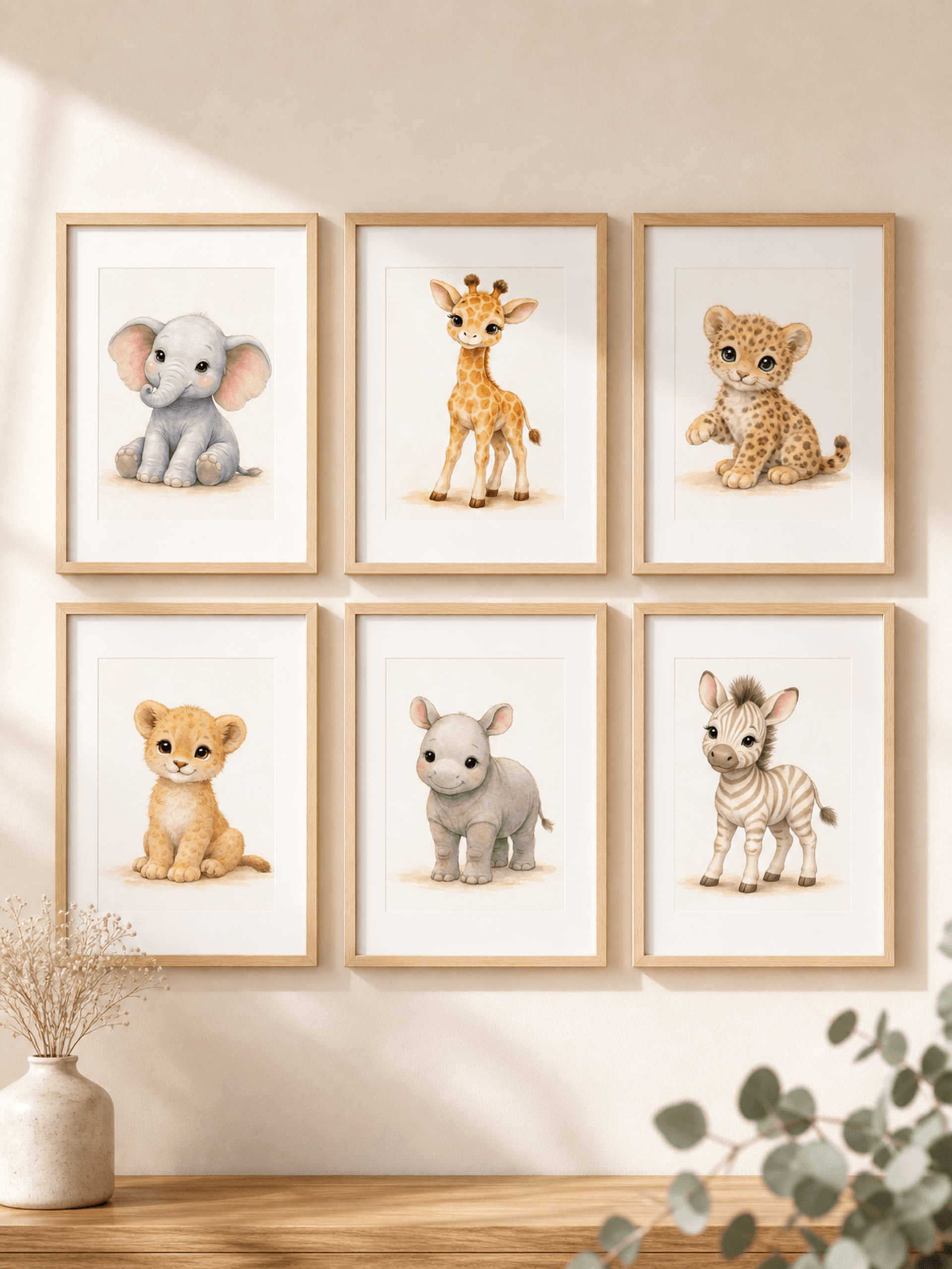
Safari Baby Animals Wall Art
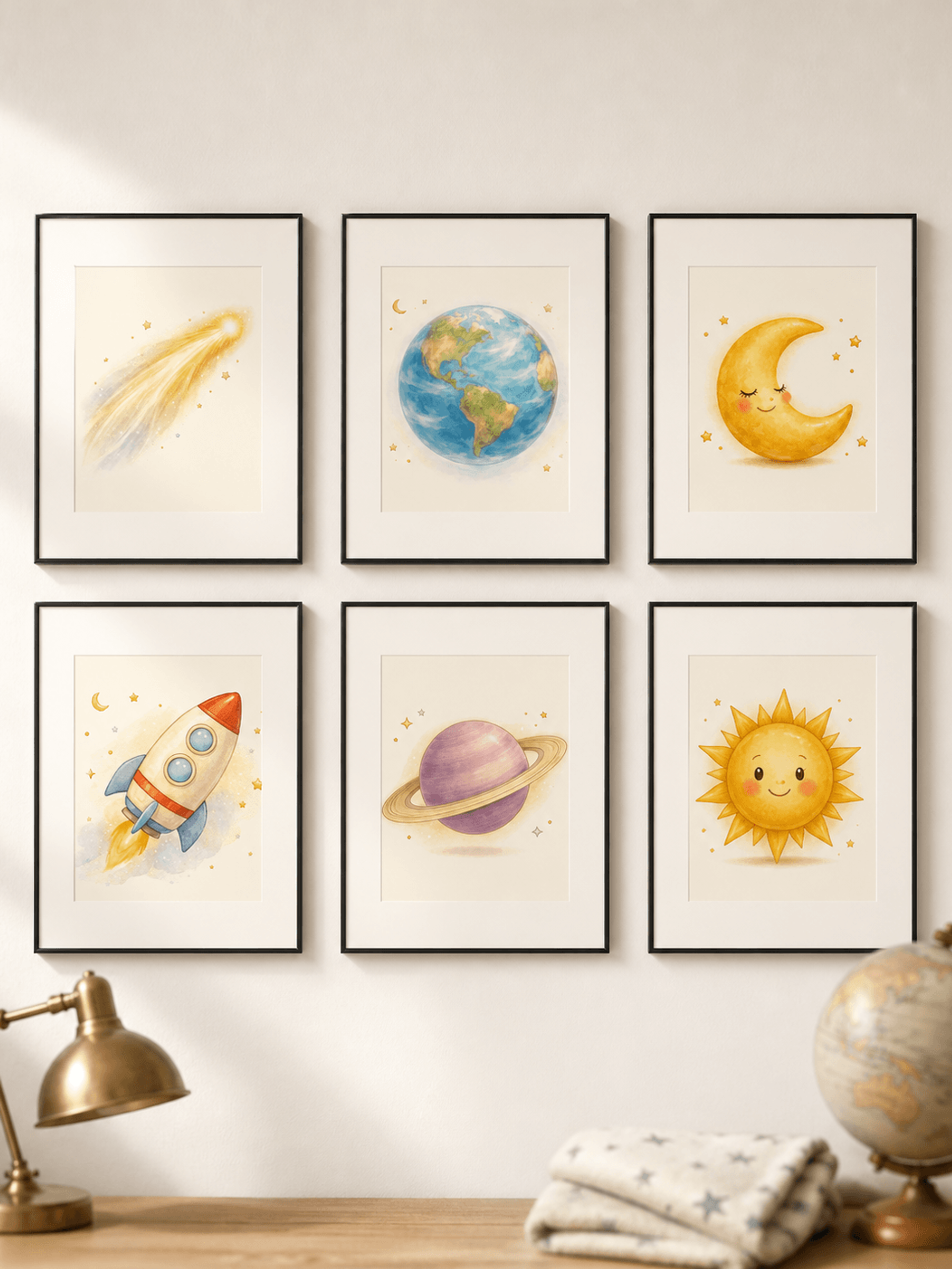
Space Wall Art
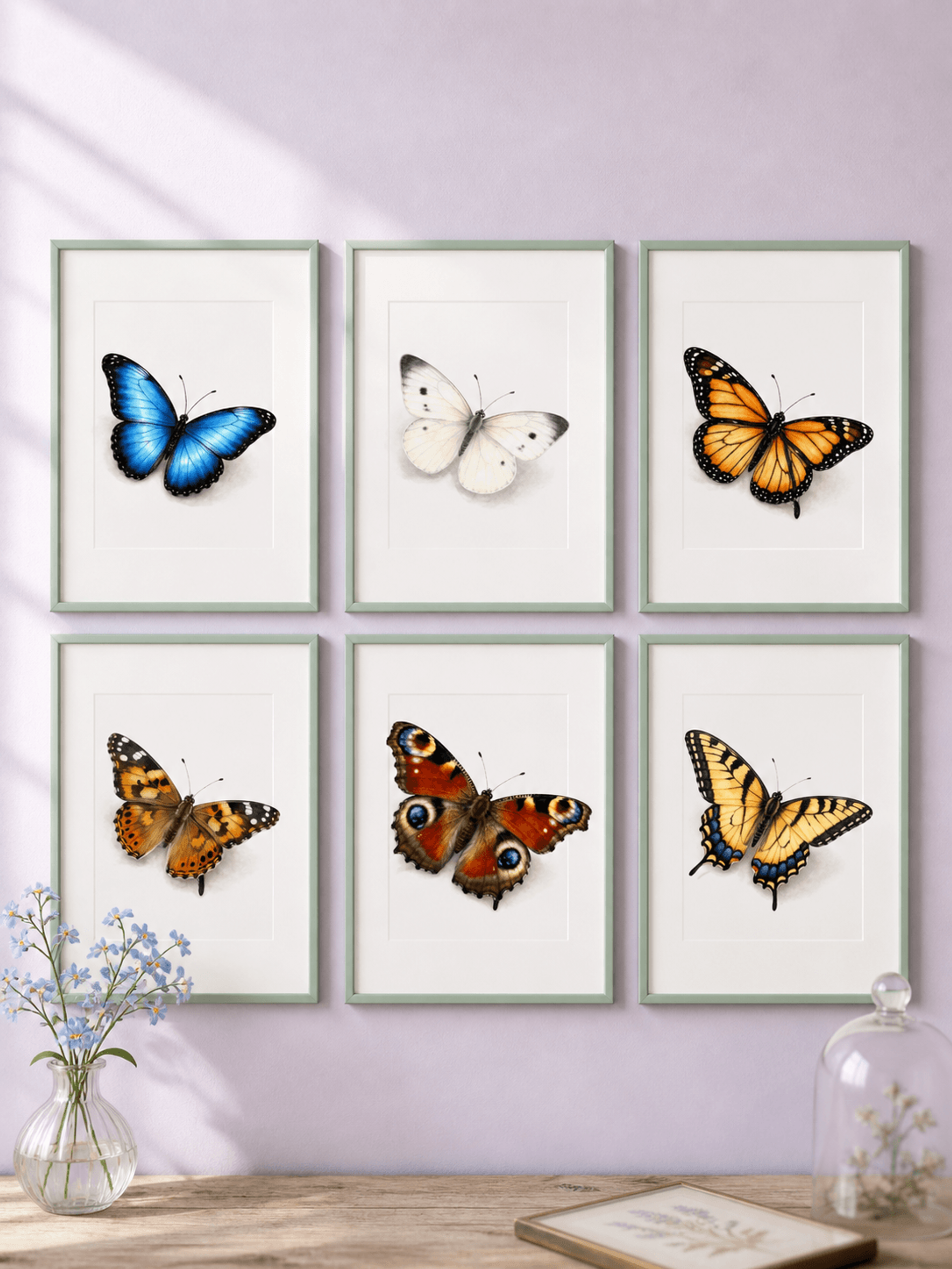
Butterflies Wall Art
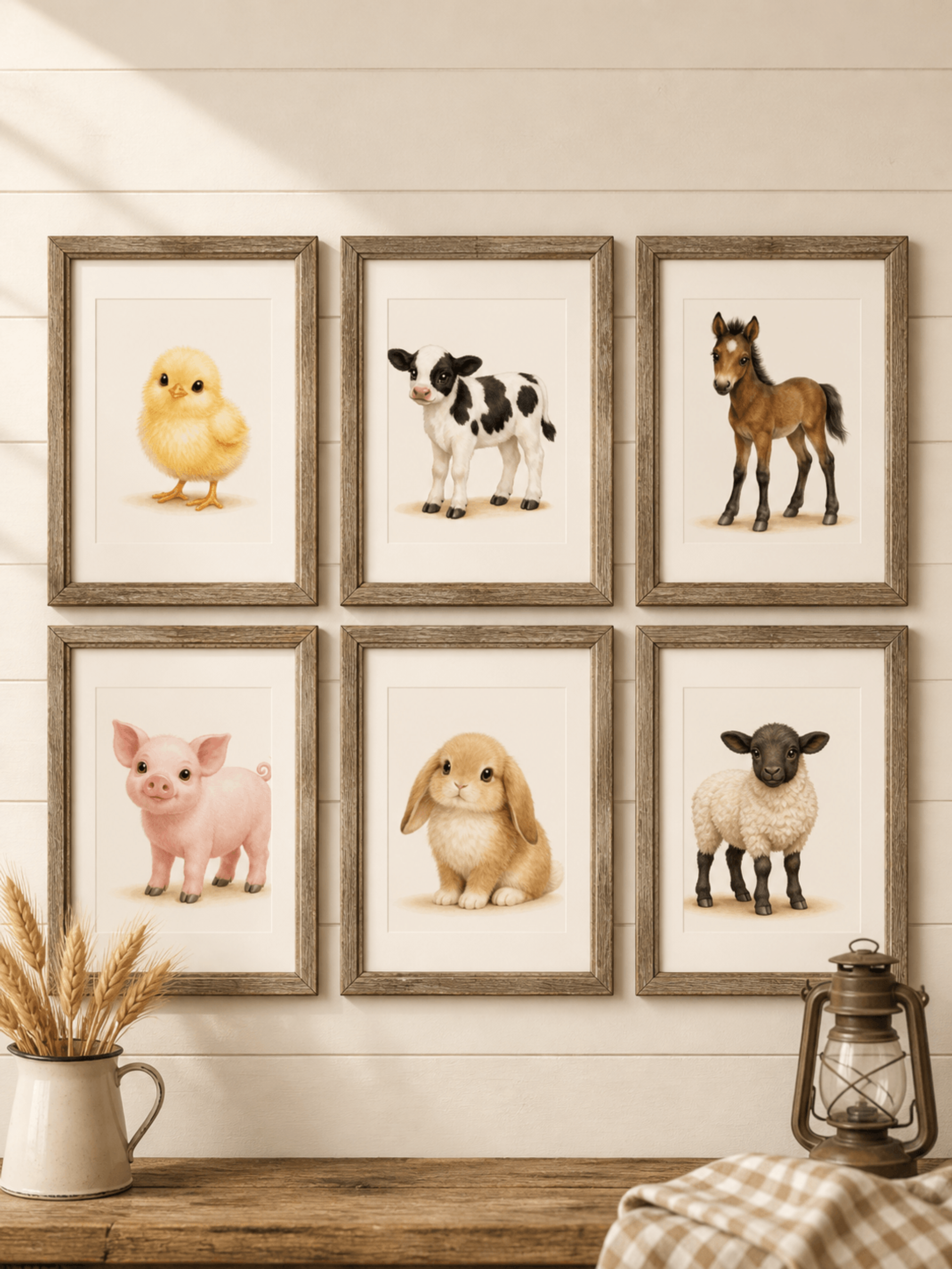
Farm Baby Animals Wall Art
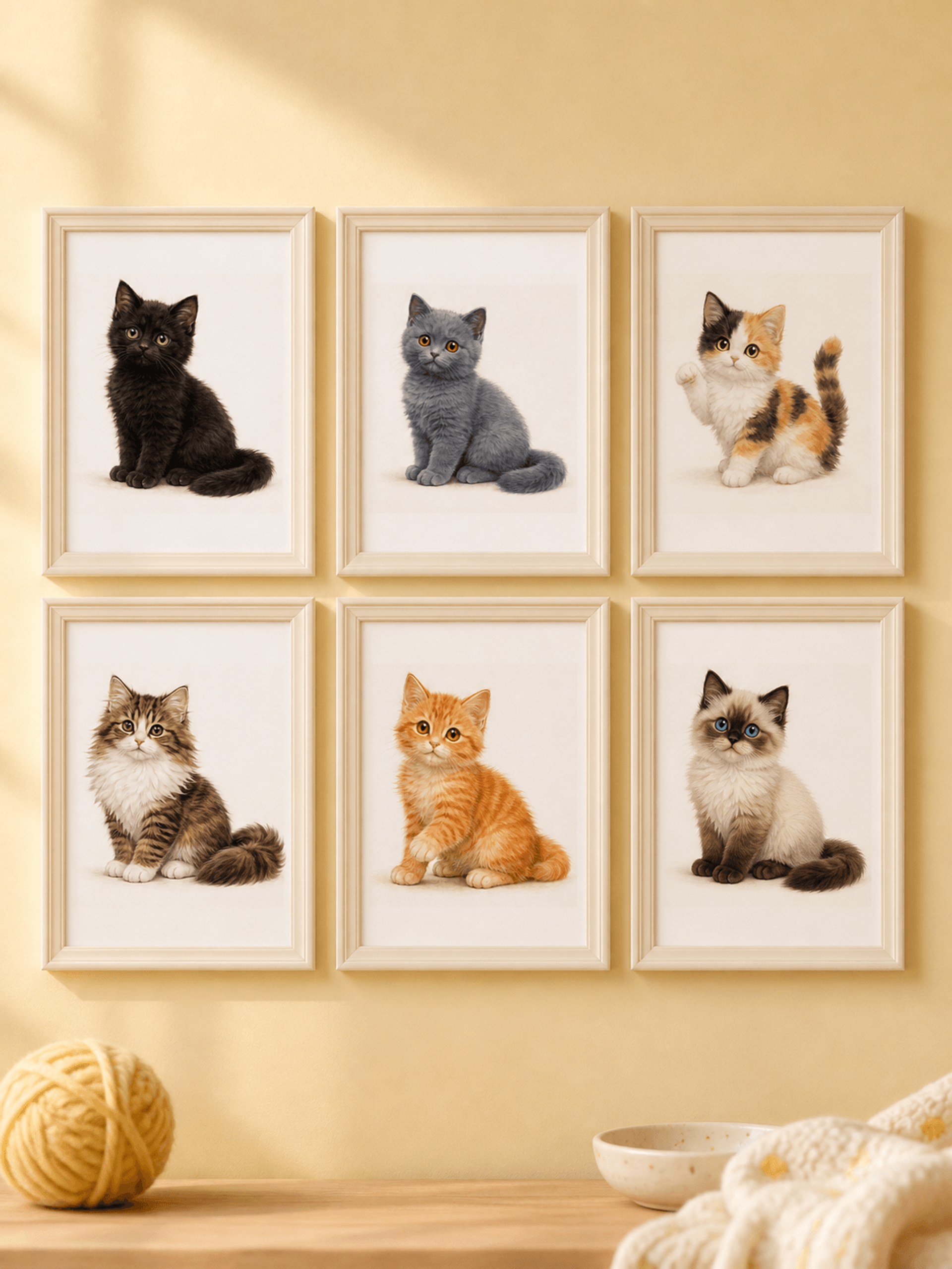
Baby Kittens Wall Art
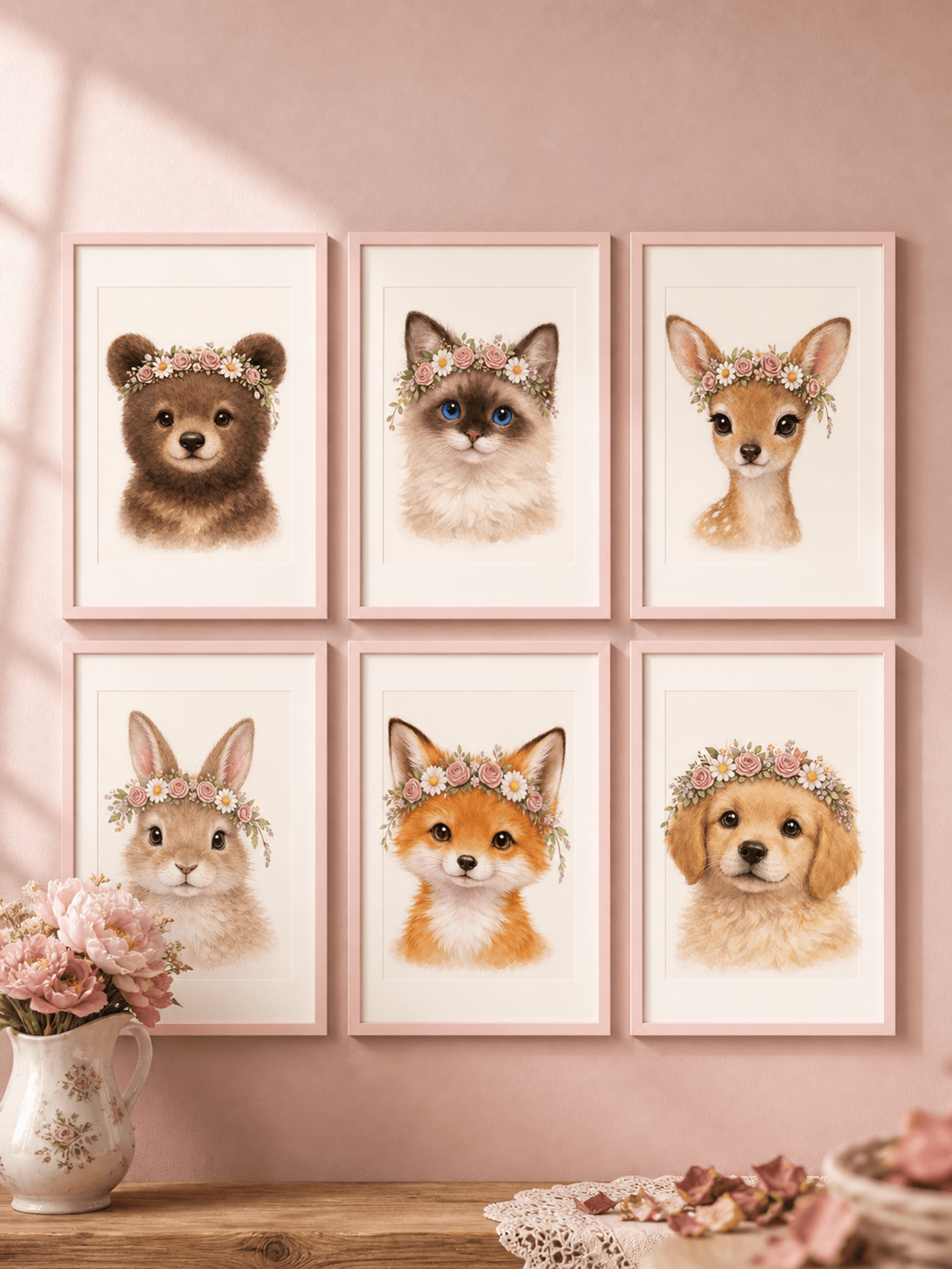
Floral Crown Animals Wall Art
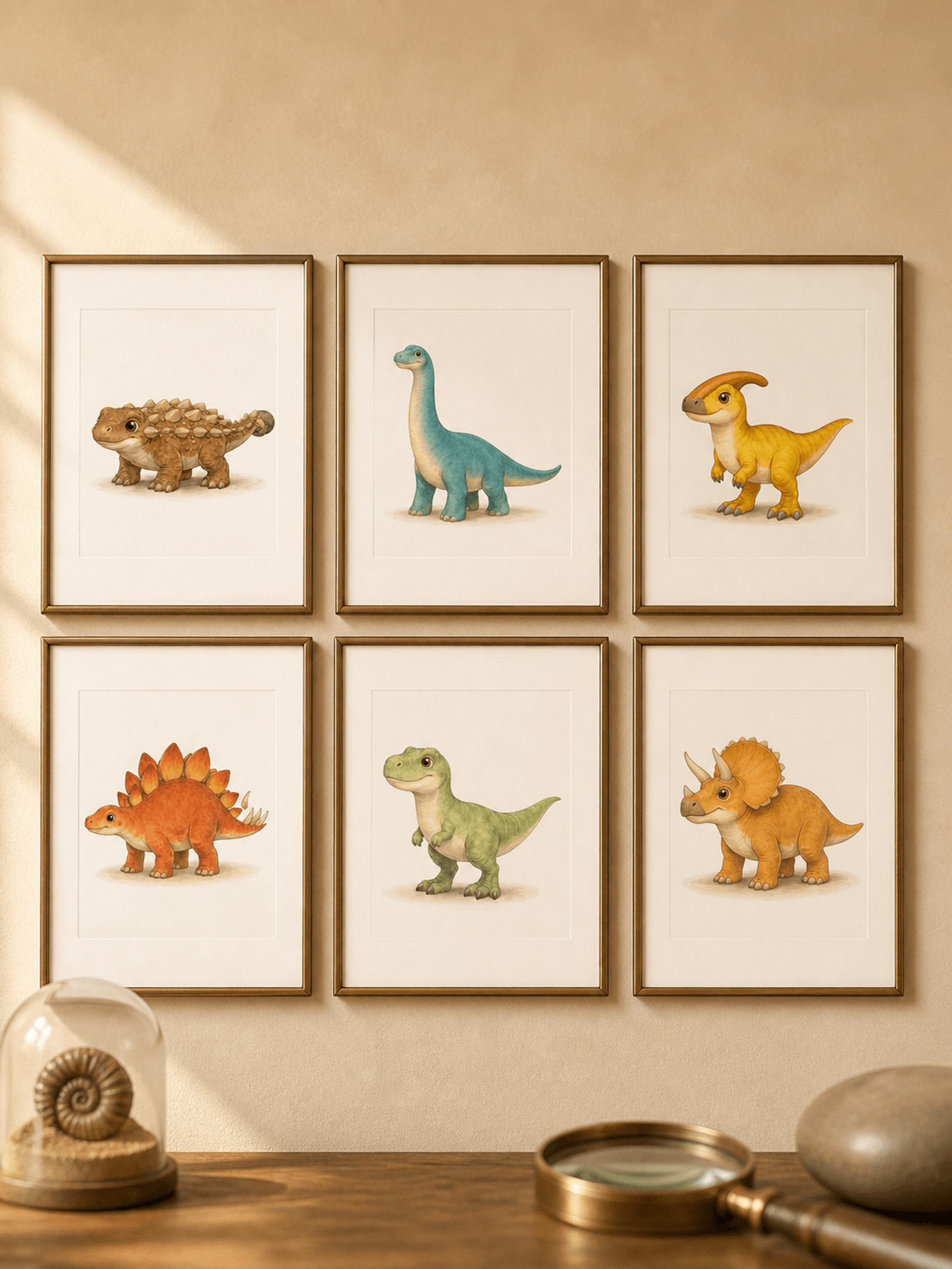
Baby Dinosaurs Wall Art
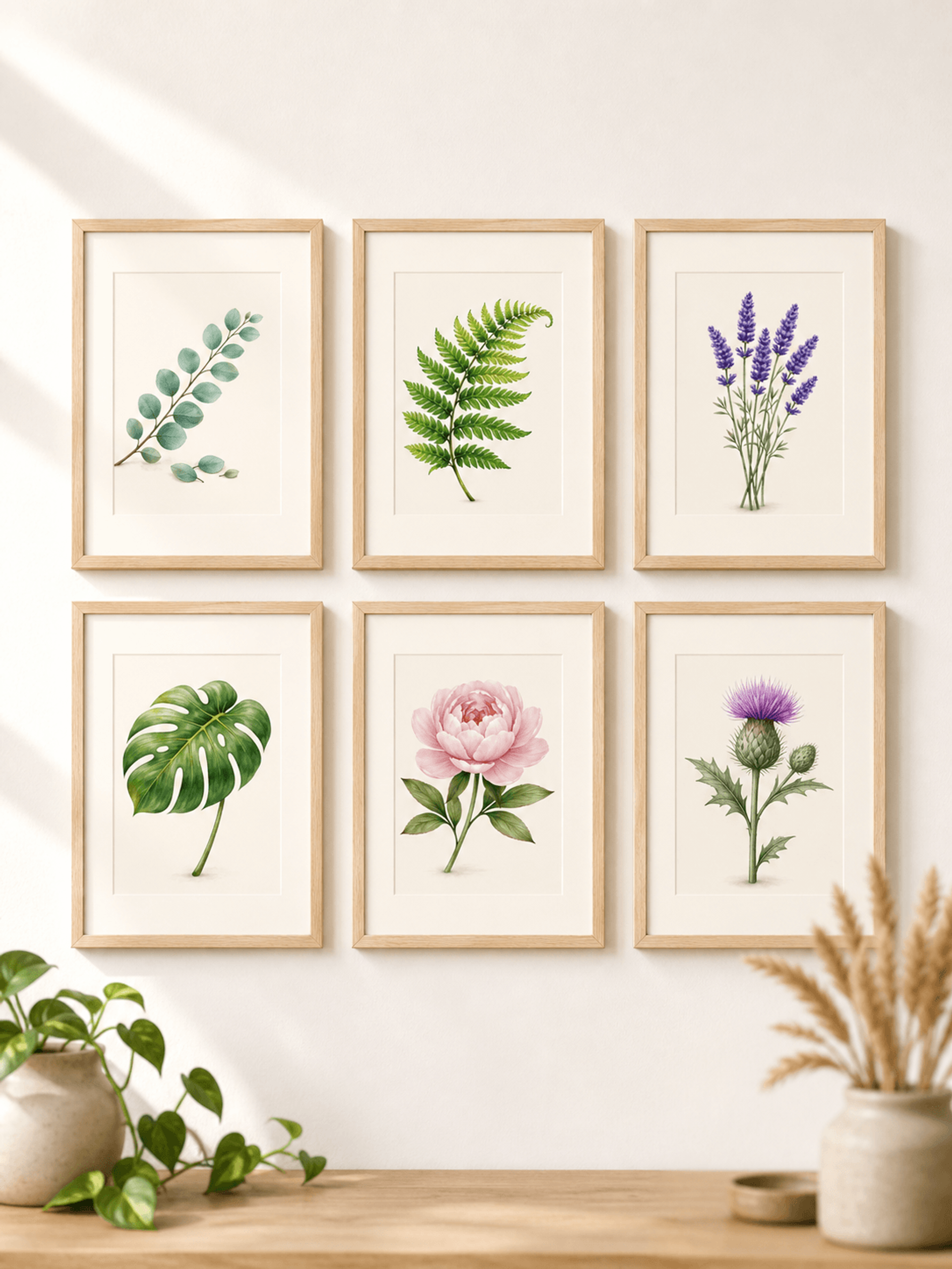
Botanical Wall Art
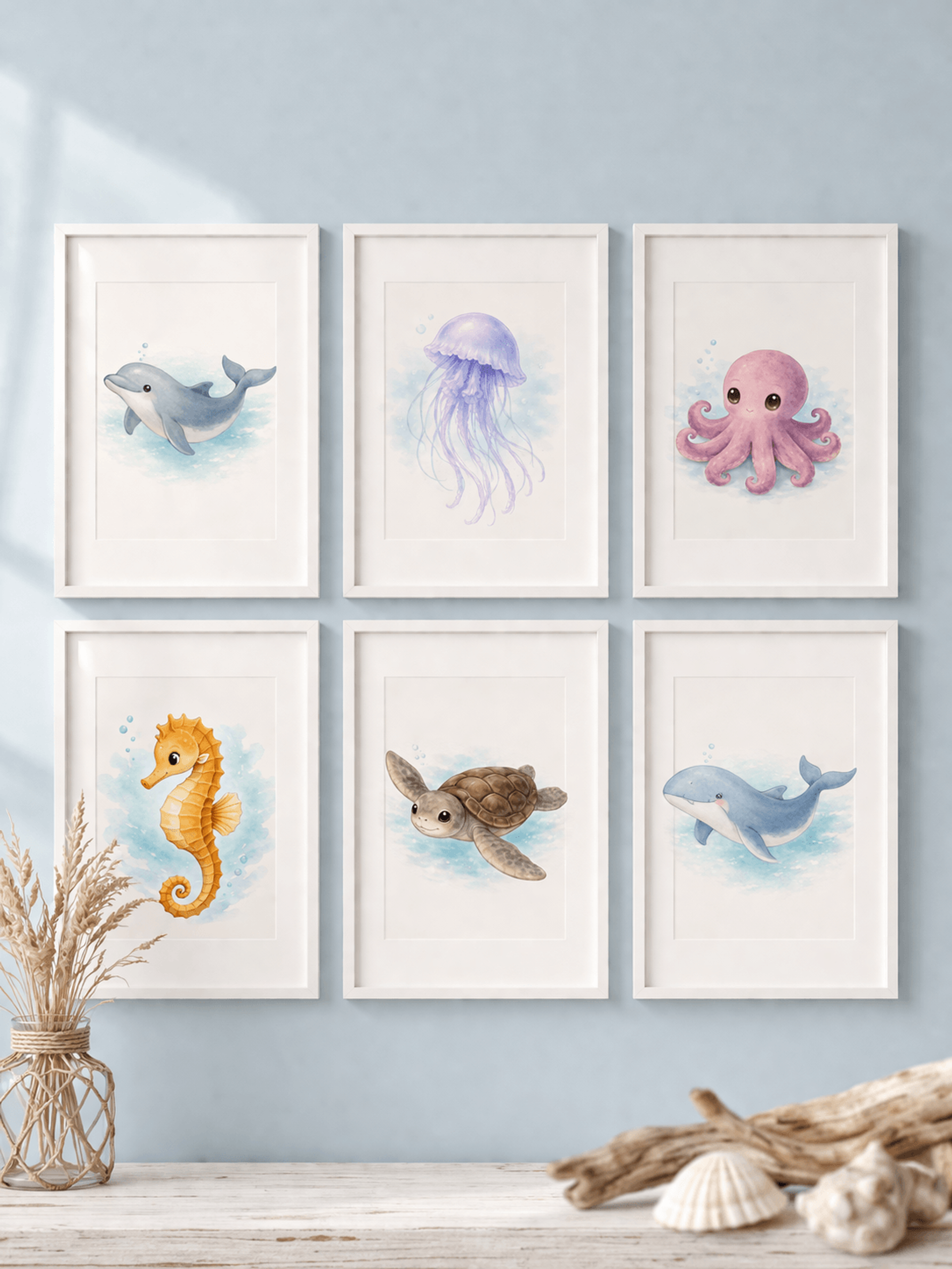
Ocean Baby Animals Wall Art
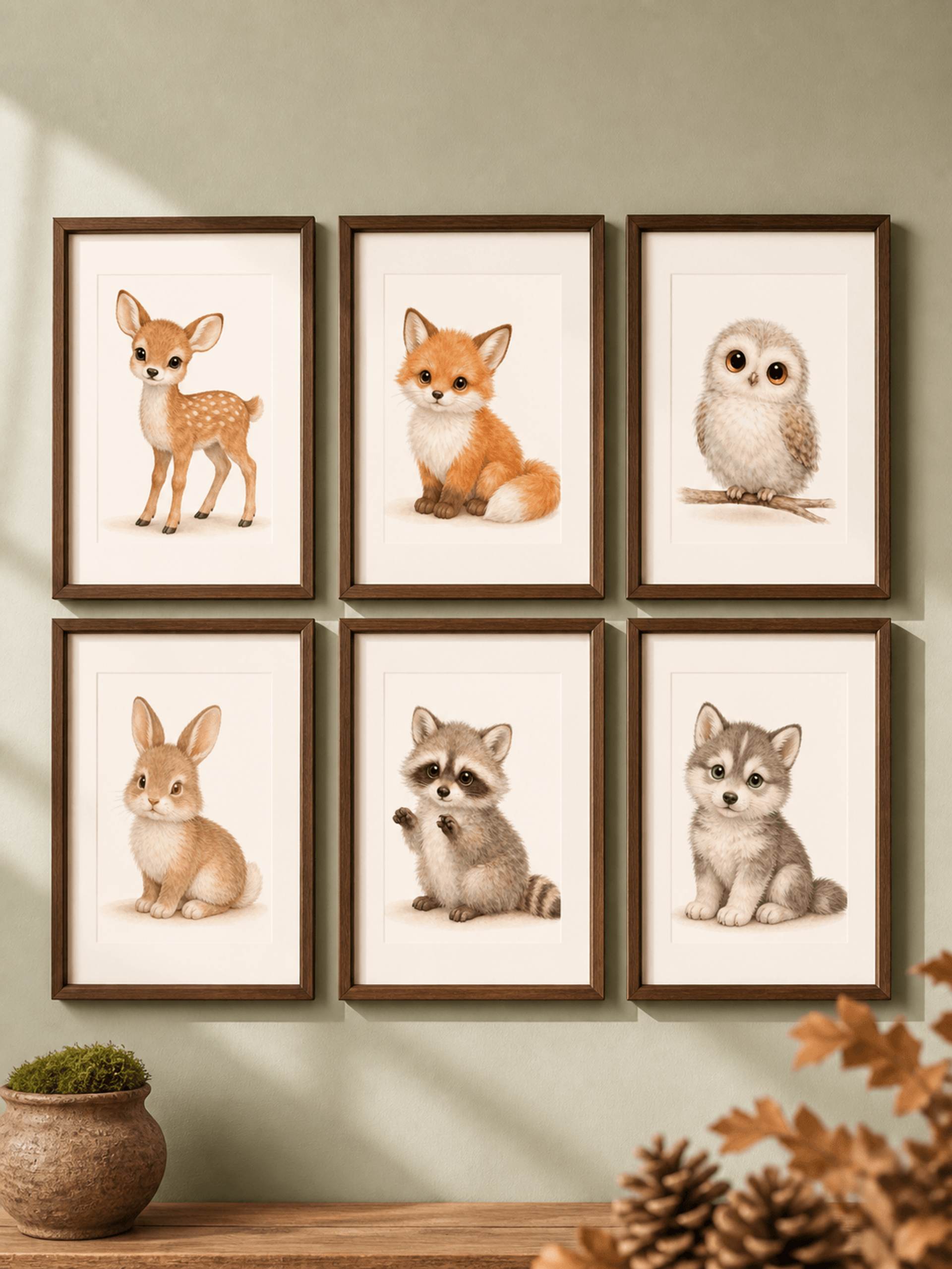
Woodland Baby Animals Wall Art
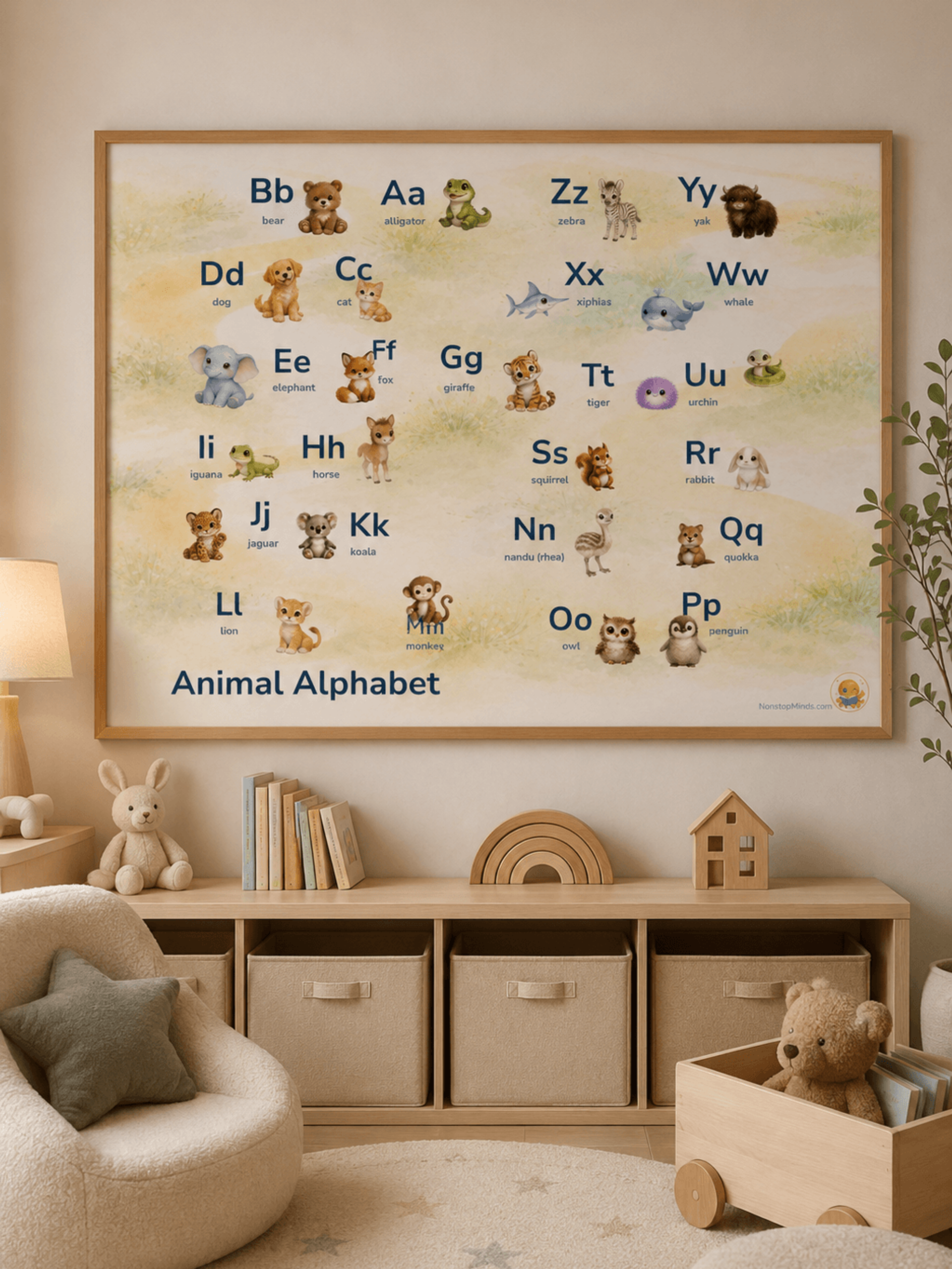
My Zoo Alphabet Poster
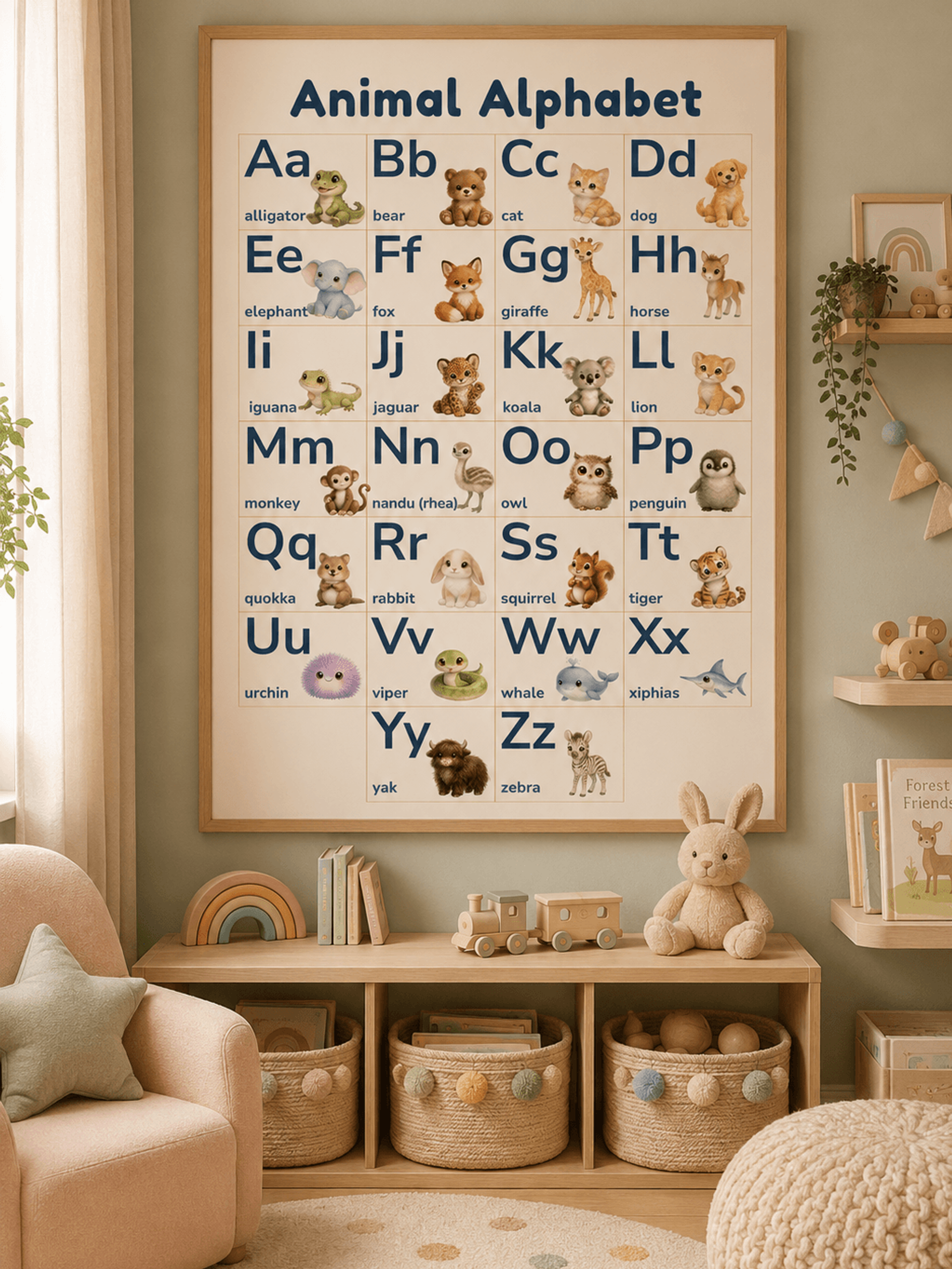
Animal Alphabet Poster
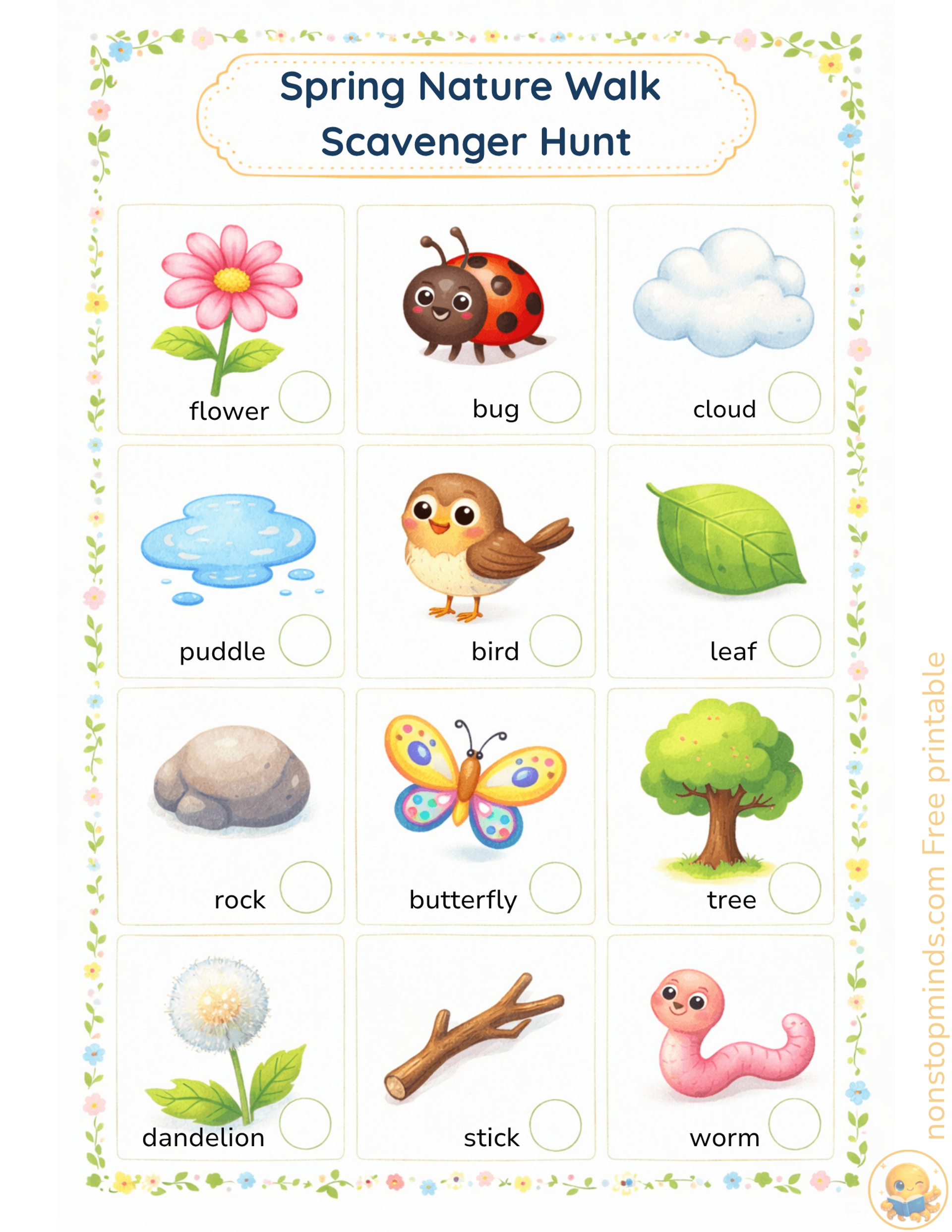
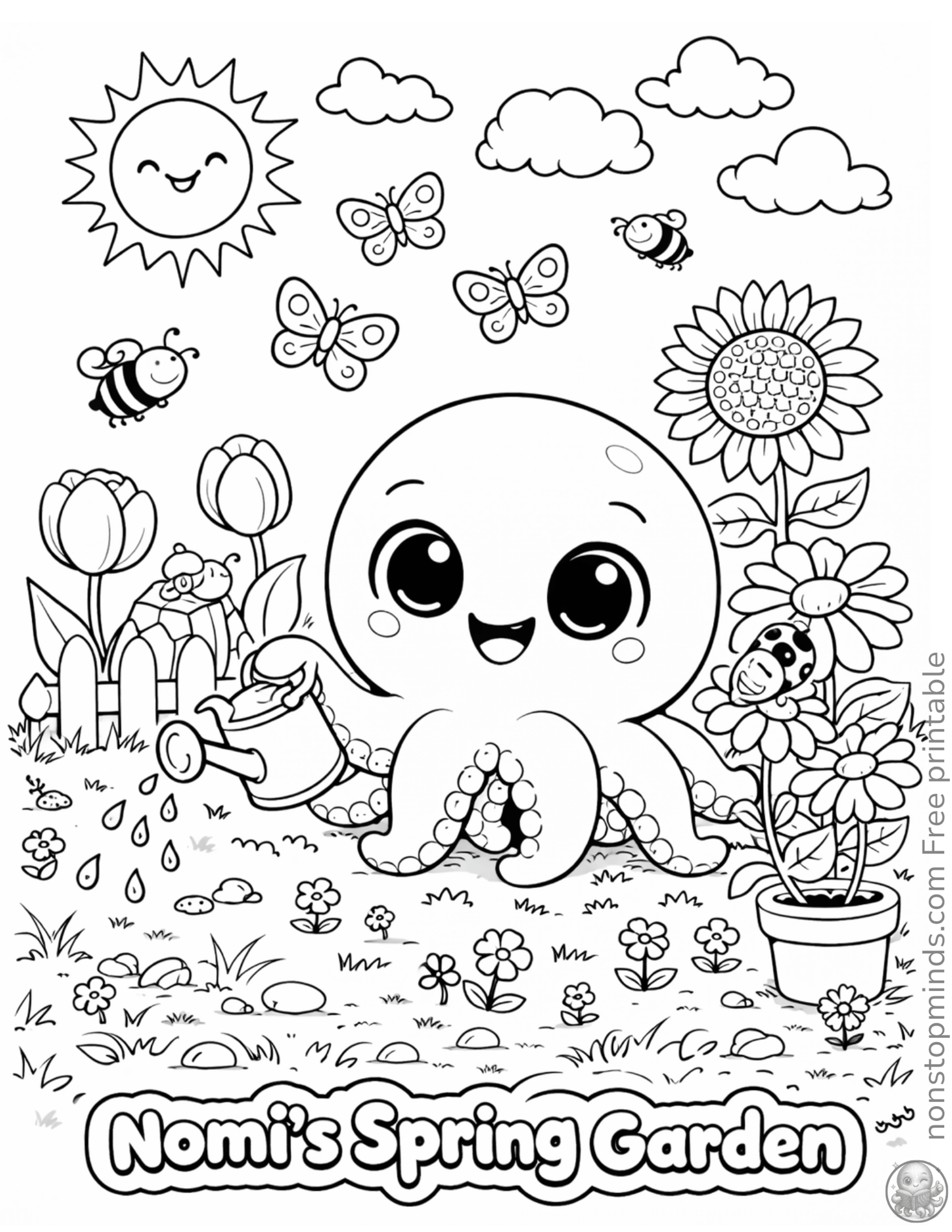
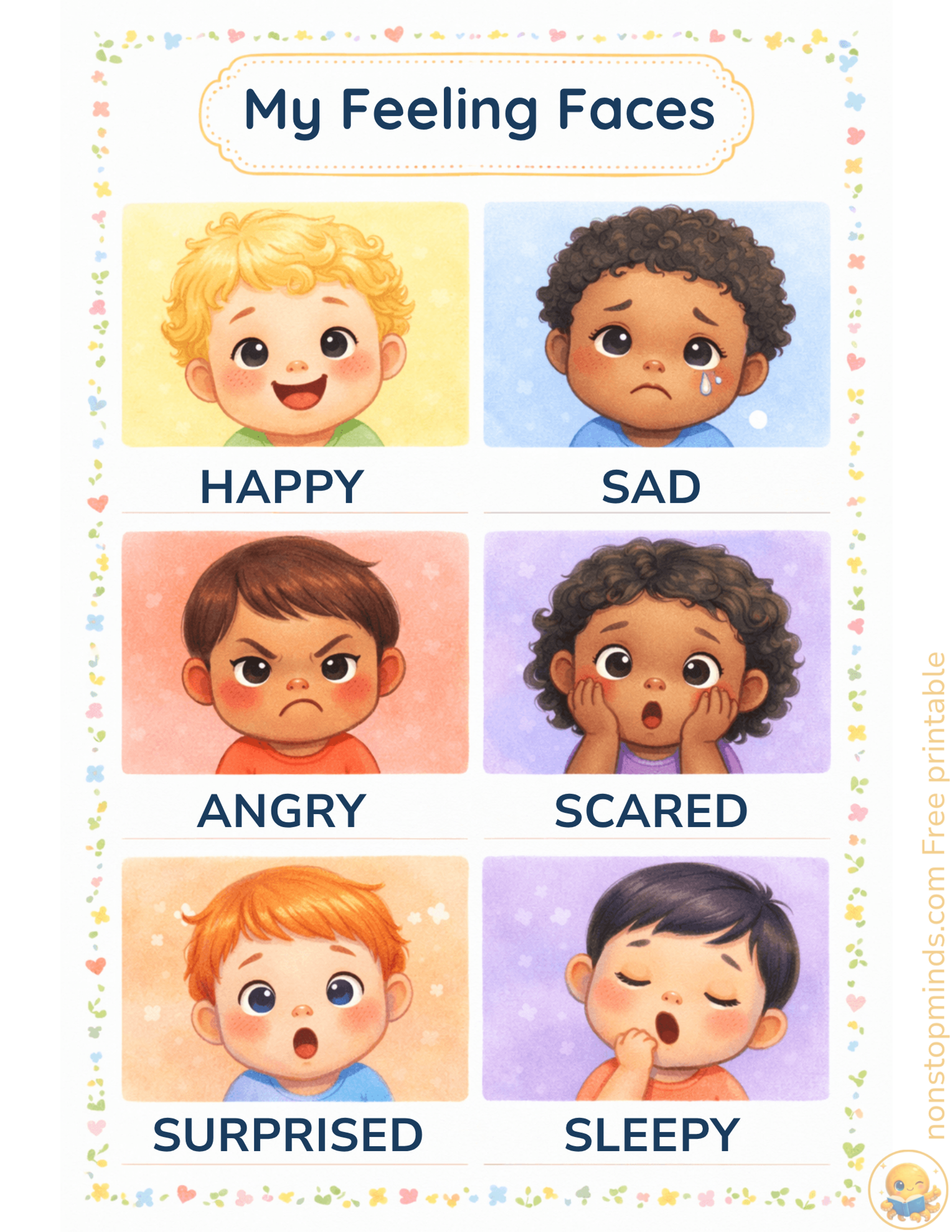
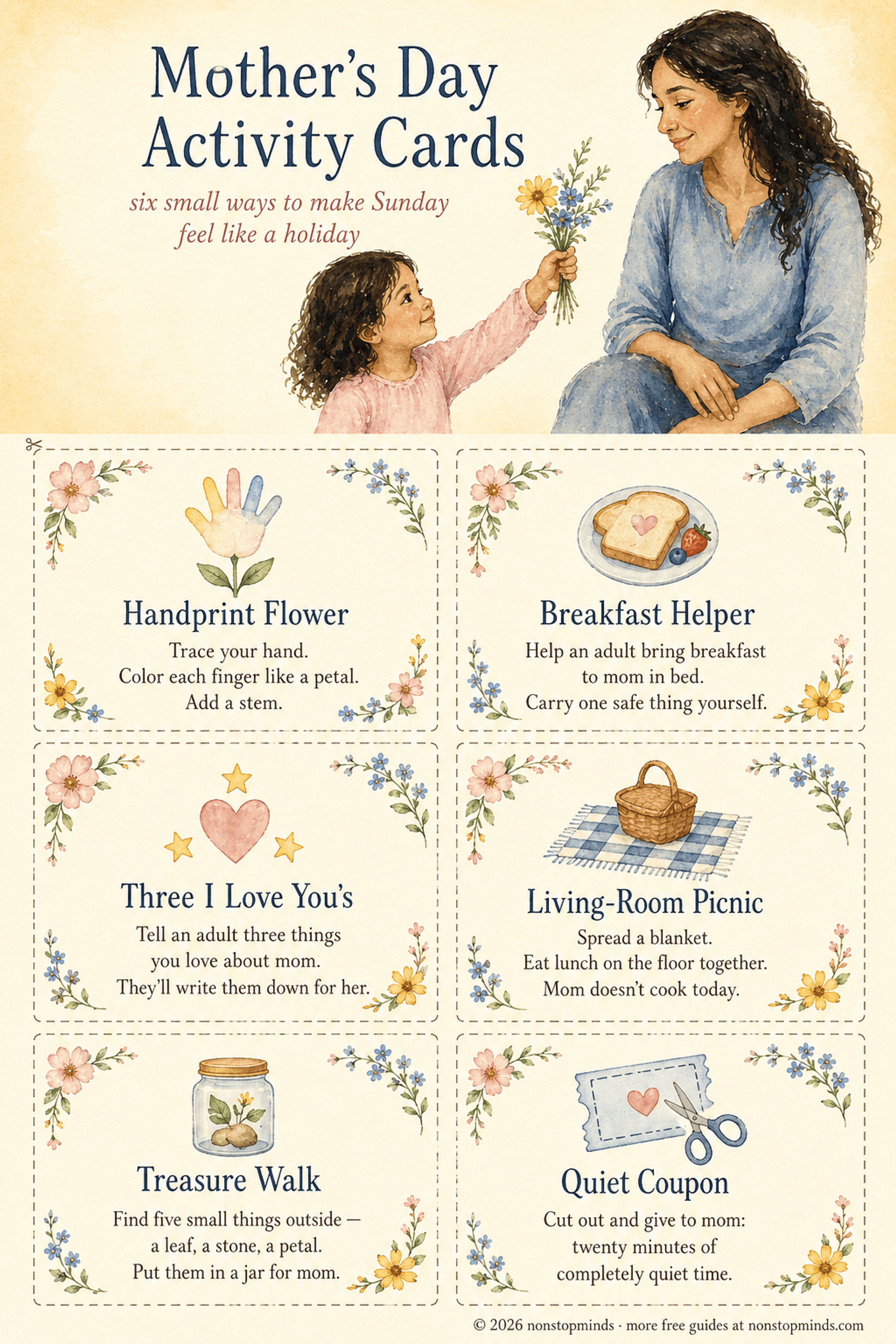
Free printables.
No email gate. Print, fold, use.
Reefs in progress.
Online activities
Crosswords, color-alongs, gentle games.
Books we love
A reading list with the why behind each title.